Buffalo Nickel
A right-facing portrait of a Native American man with feathers in his hair, with the date on his shoulder. An American bison standing on a mound (1913 Type 1) or on a thin line above a recessed FIVE CENTS (Type 2, mid-1913 onward).
Composition
Key dates to look for
1913-S Buffalo Nickel
$300+Type 2 (line under FIVE CENTS) is the scarce one — only 1.2 million
1914-D Buffalo Nickel
$80+ in Good conditionSemi-key Denver issue
1921-S Buffalo Nickel
$50+Low mintage of 1.5 million
1924-S Buffalo Nickel
$20+Tough in every grade
1926-S Buffalo Nickel
$20+ worn, thousands in Mint StateLowest mintage of the series at 970,000
1931-S Buffalo Nickel
$15+Depression-era low mintage of 1.2 million, widely saved
Valuable varieties & errors
1916 Doubled Die Obverse
extremeA misaligned hubbing doubled the entire date on this Philadelphia die, creating one of the most valuable doubled dies in American coinage. Only a few hundred examples are believed to exist.
1918/7-D Overdate
extremeDuring the World War I rush, a die hubbed with a 1917 date was finished with 1918 hubs, leaving a 7 underneath the 8. It went unnoticed for decades, so most survivors are well worn.
1935 Doubled Die Reverse
rareA doubled hubbing on a reverse die strongly doubled the words FIVE CENTS. It is the most famous doubled die on the back of any Buffalo nickel.
1937-D Three-Legged Buffalo
rareA Denver mint worker polished a clashed reverse die so aggressively that he ground away the bison's front right leg. The result is the most famous Buffalo nickel variety of all, and one of the most counterfeited.
Error types found on this series
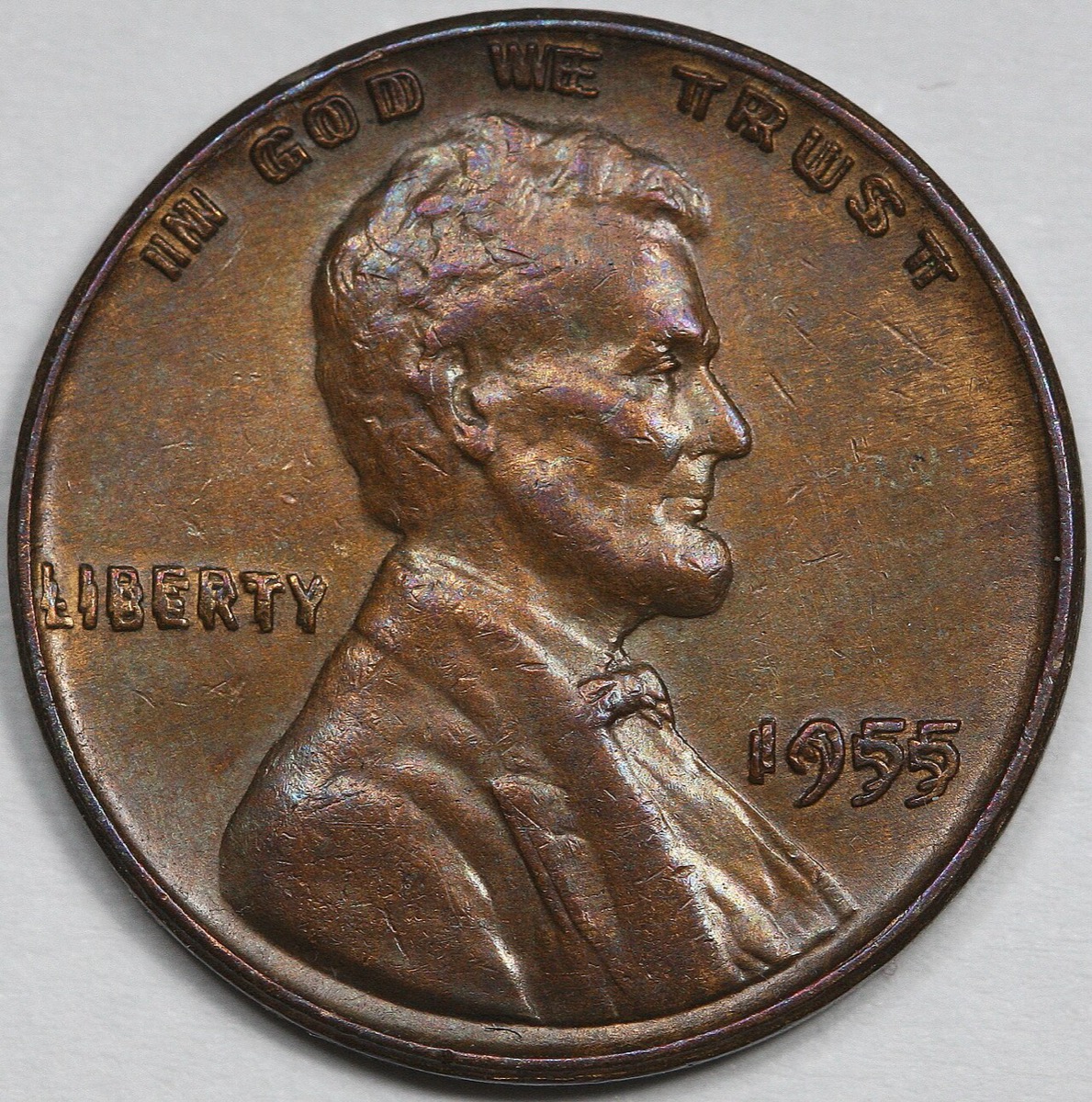
Doubled Die (Obverse)
The front design shows a second, shifted image because the die itself was made doubled.
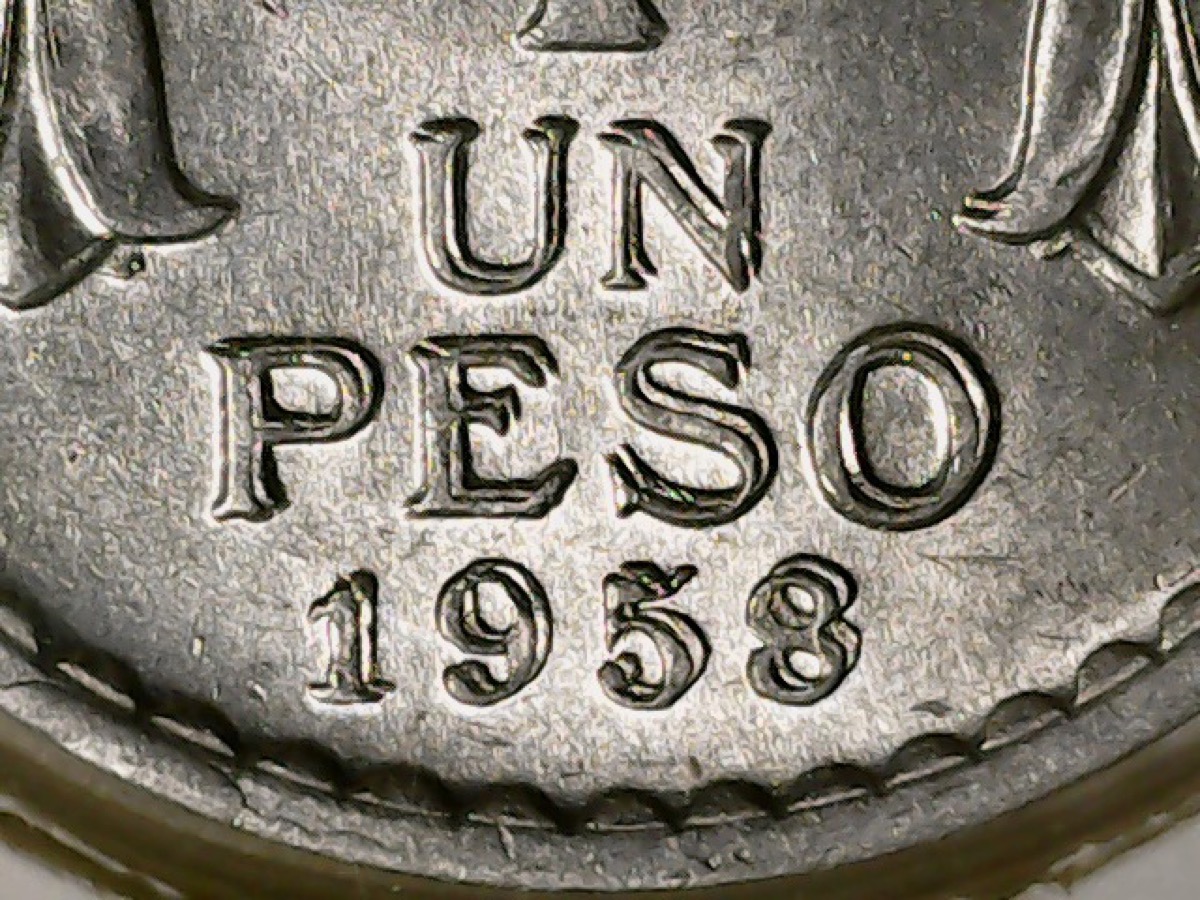
Doubled Die (Reverse)
Same as a doubled die obverse, but the doubling appears on the back of the coin.
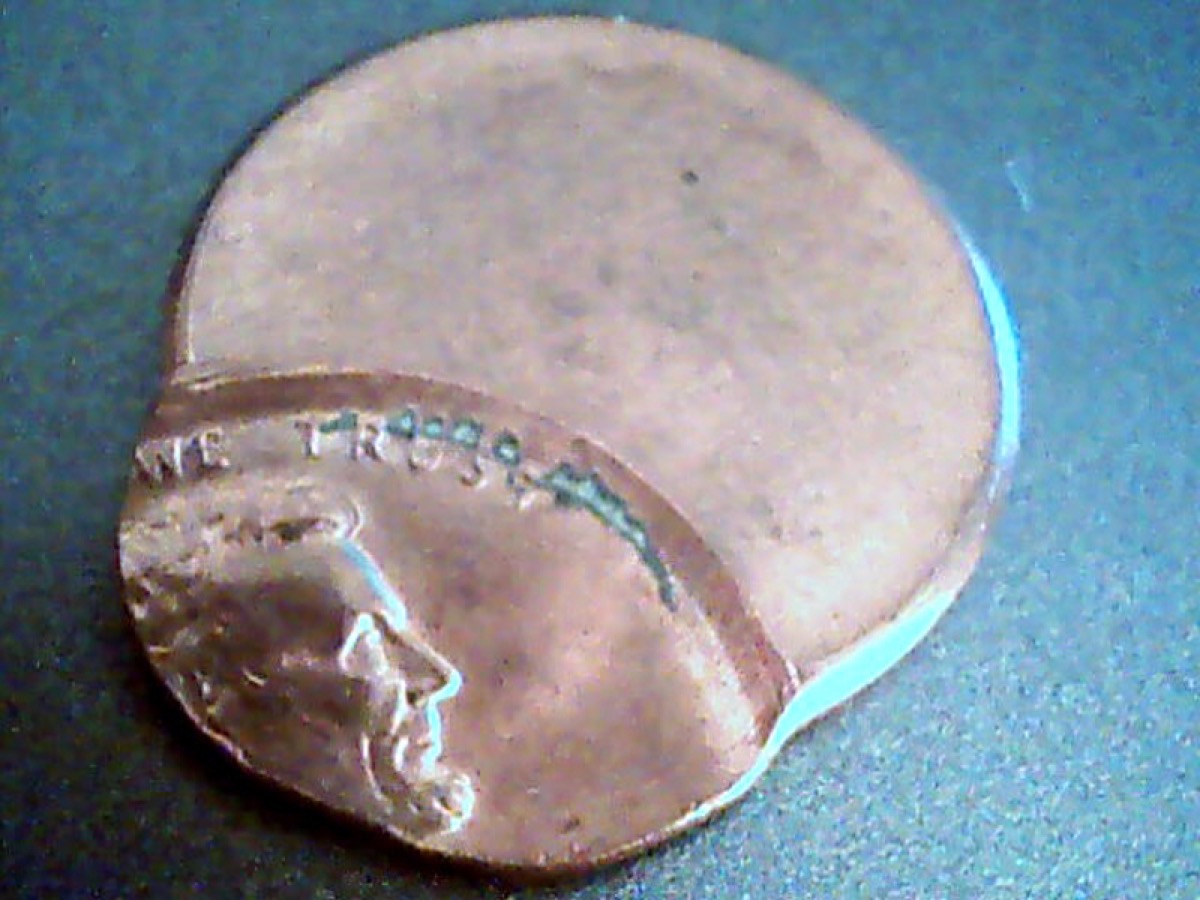
Off-Center Strike
The blank wasn't centered when struck, so part of the design is missing and part of the coin is blank.
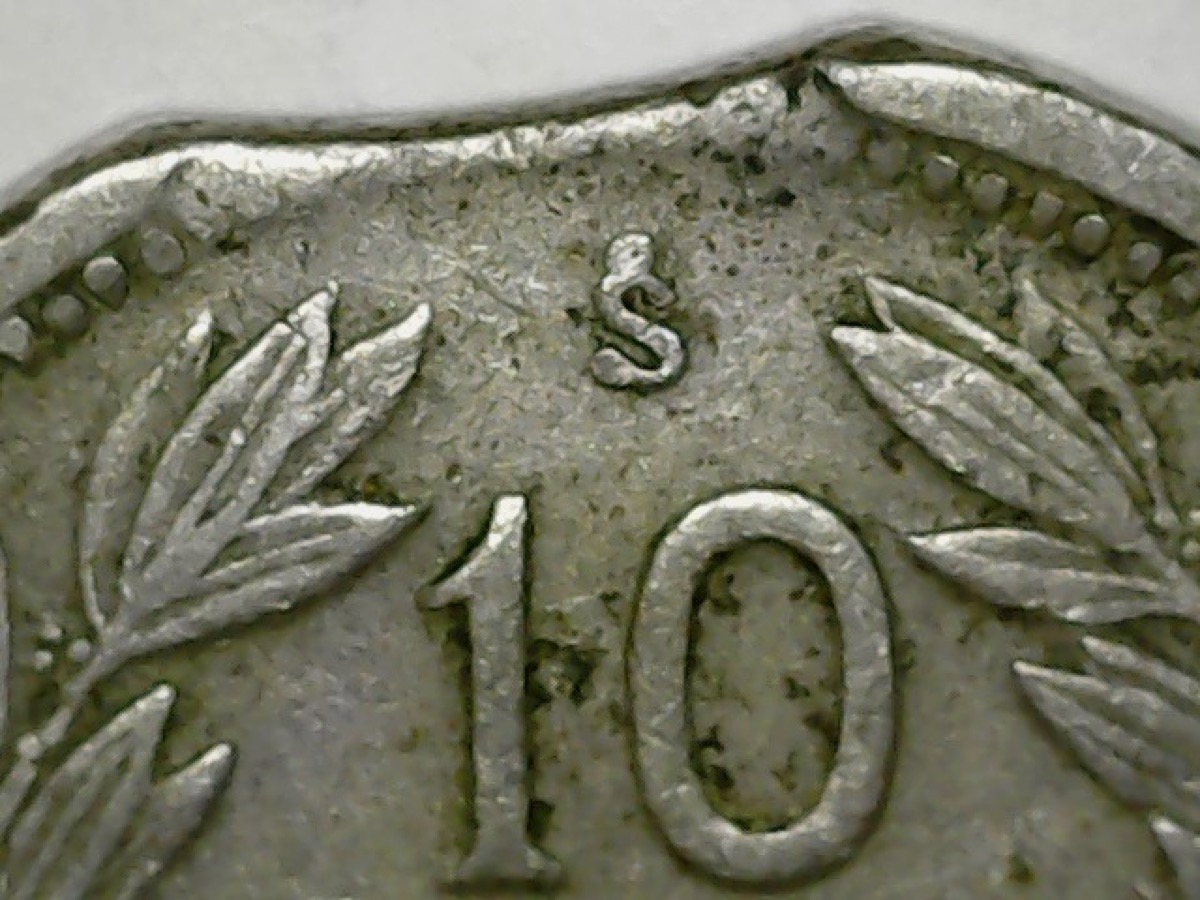
Clipped Planchet
A bite-shaped piece of the coin is missing because the blank was punched from an already-punched part of the metal strip.
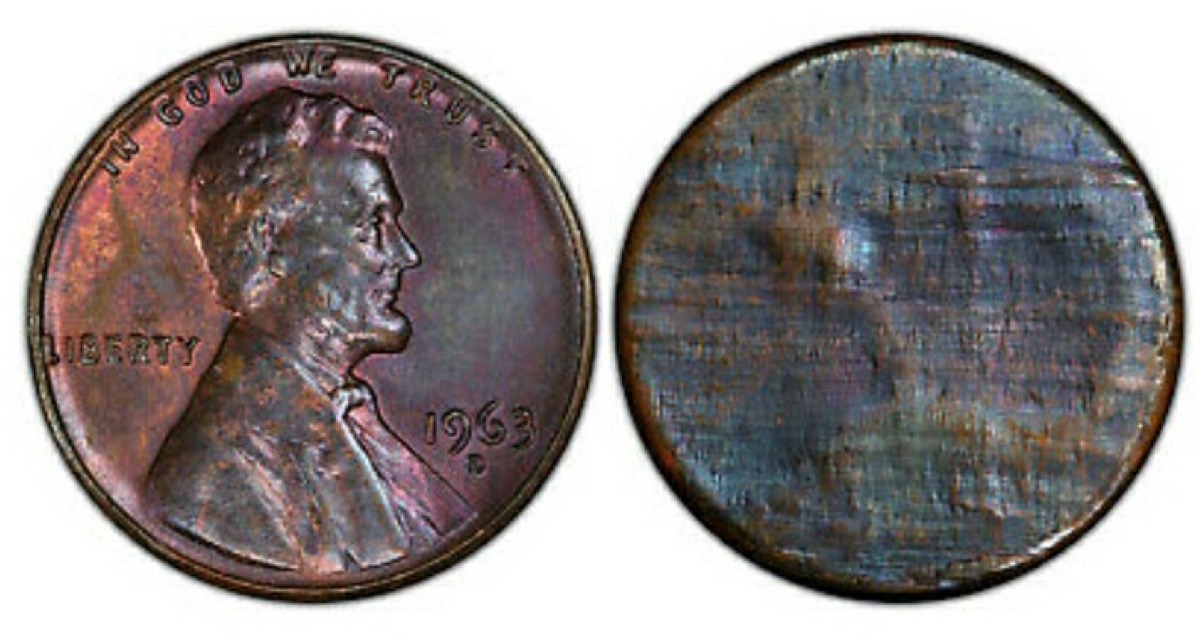
Lamination Error
A thin layer of the coin's metal peels, flakes, or cracks off because the alloy was poorly mixed.
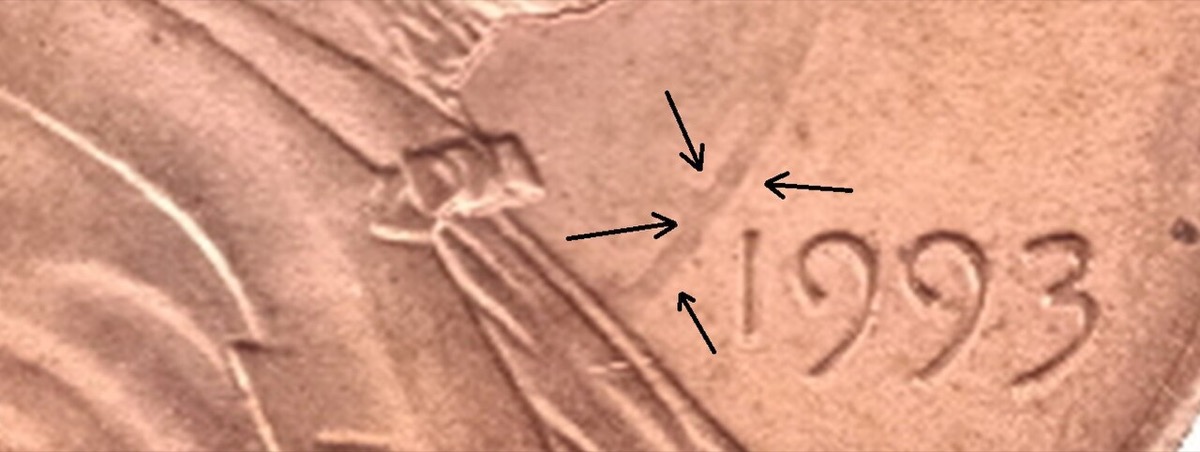
Die Clash
The dies slammed together with no coin between them, imprinting each side's design faintly onto the other.
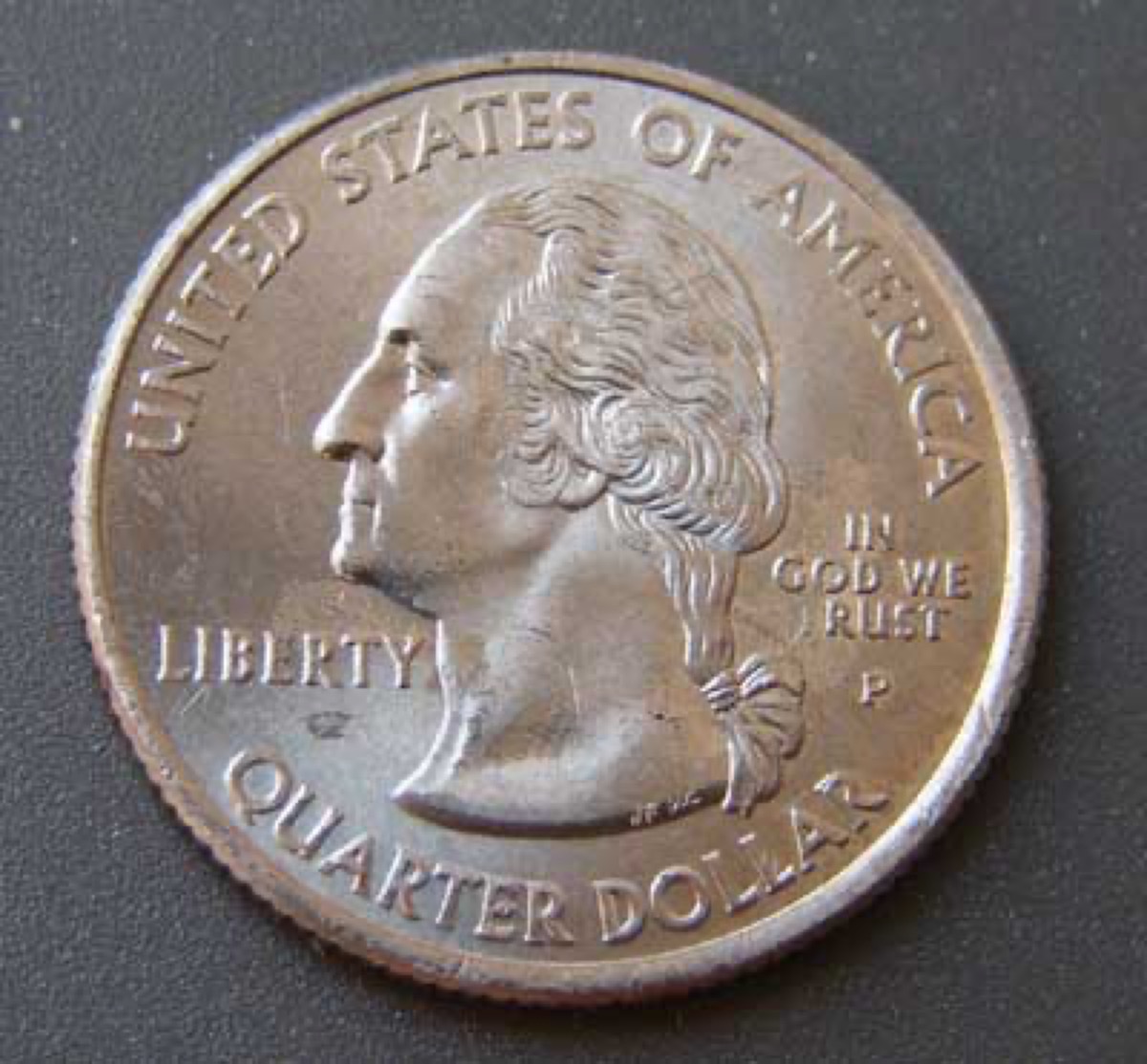
Grease-Filled Die (Struck Through Grease)
Grease and debris packed into the die's recesses blocked part of the design, leaving weak or missing details.
Real photos where available (credits); others are illustrations.