The error library
When the Mint makes a mistake, collectors win. Every major error type, what causes it, and exactly how to spot it — with pictures.
Die errors
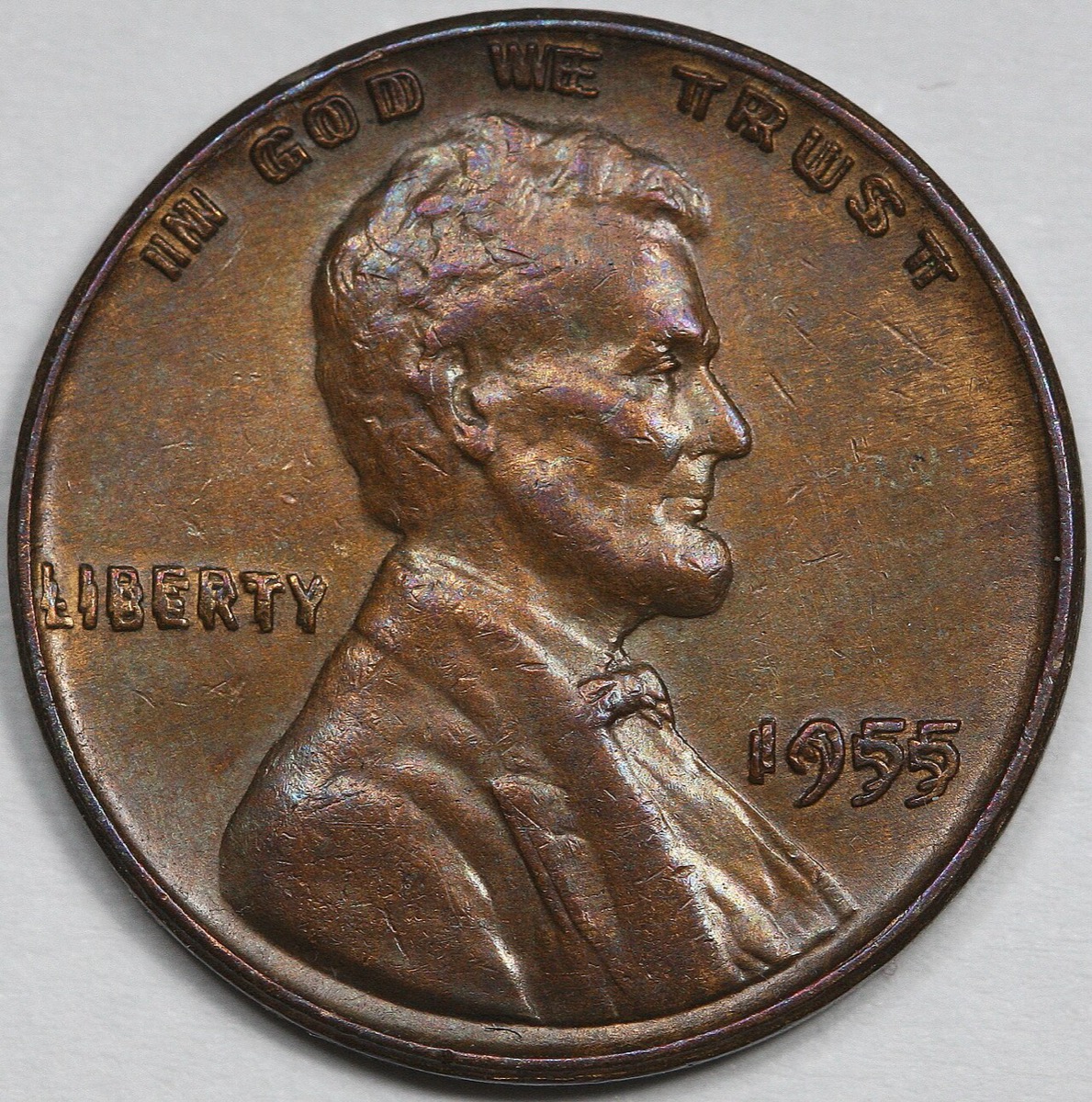
Doubled Die (Obverse)
The front design shows a second, shifted image because the die itself was made doubled.
How to spot it →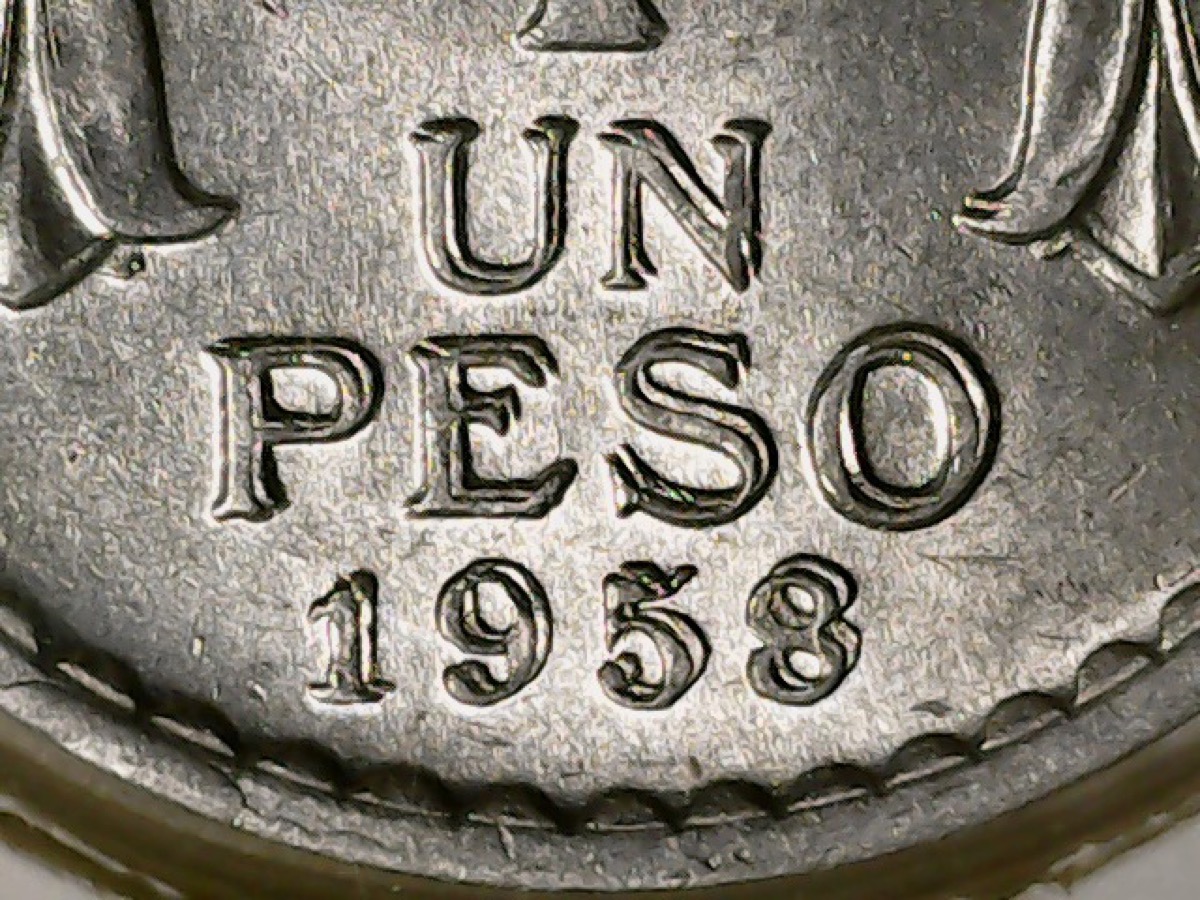
Doubled Die (Reverse)
Same as a doubled die obverse, but the doubling appears on the back of the coin.
How to spot it →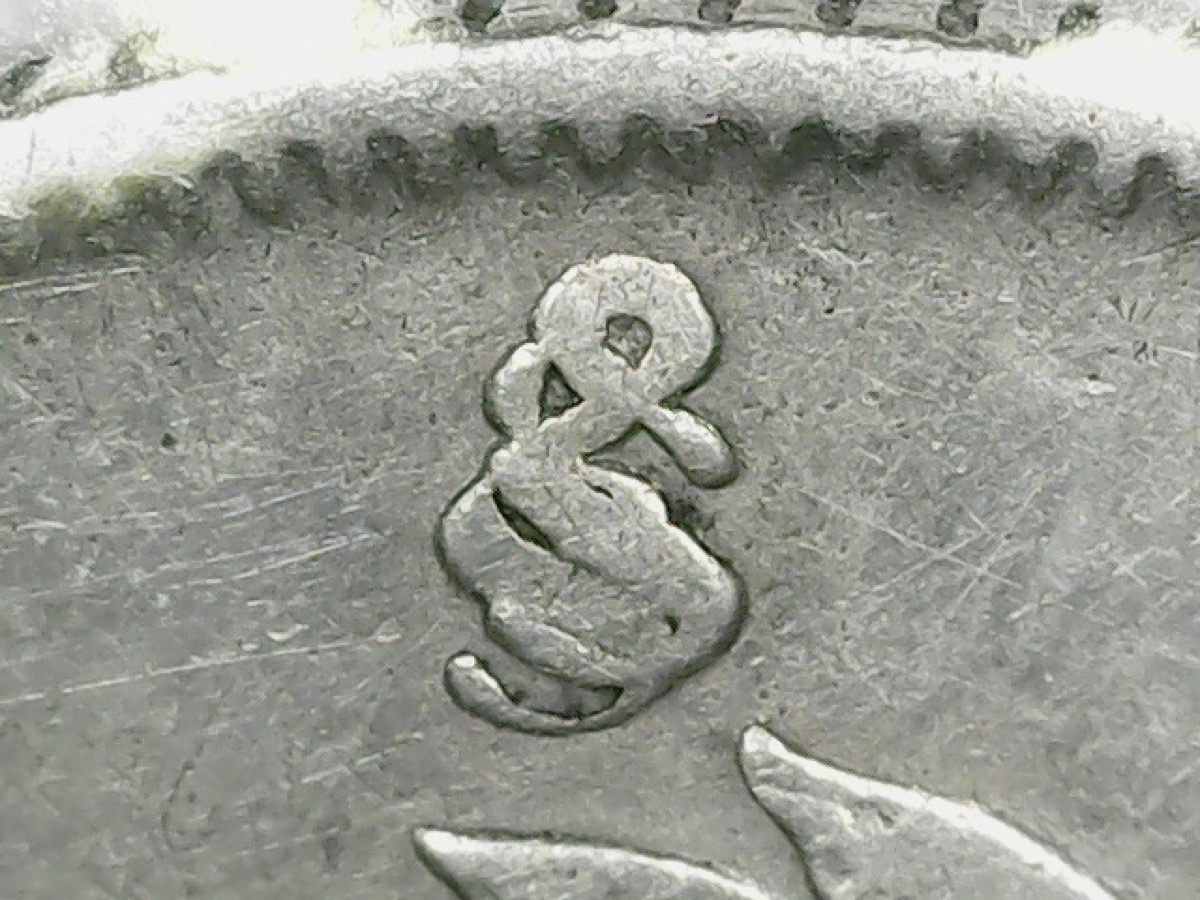
Repunched Mint Mark (RPM)
The mint mark was punched into the die more than once, slightly off position, leaving a doubled letter.
How to spot it →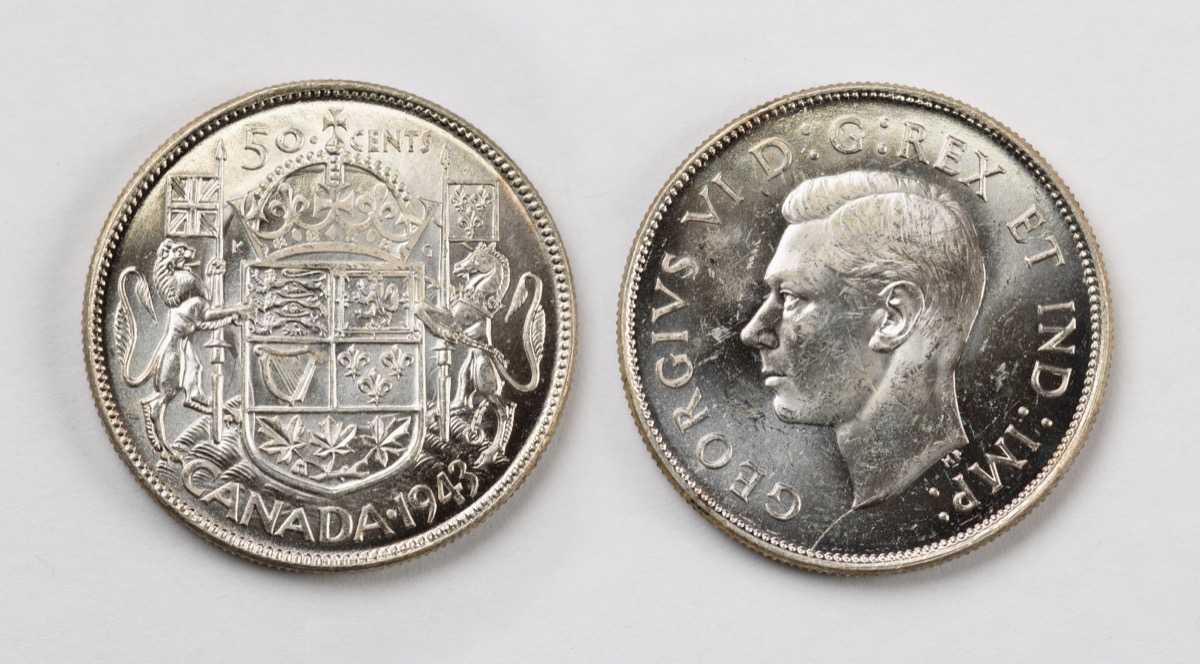
Die Crack
A crack in the die fills with metal during the strike, leaving a thin raised line on the coin.
How to spot it →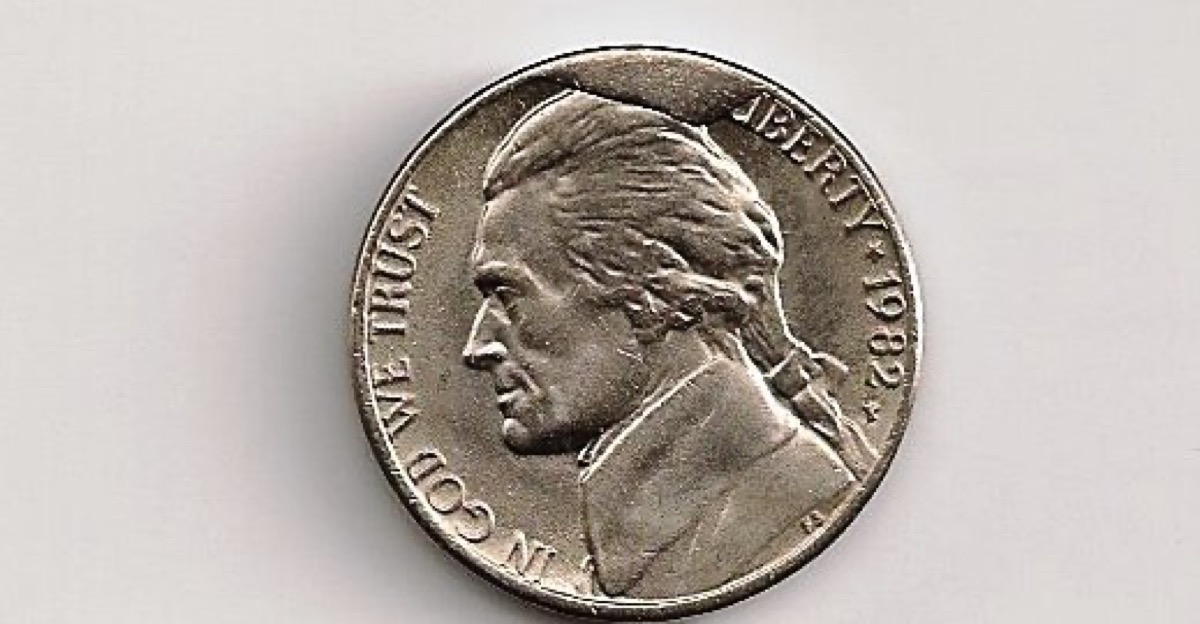
Die Cud
A piece of the die broke off at the rim, leaving a raised featureless blob attached to the coin's edge.
How to spot it →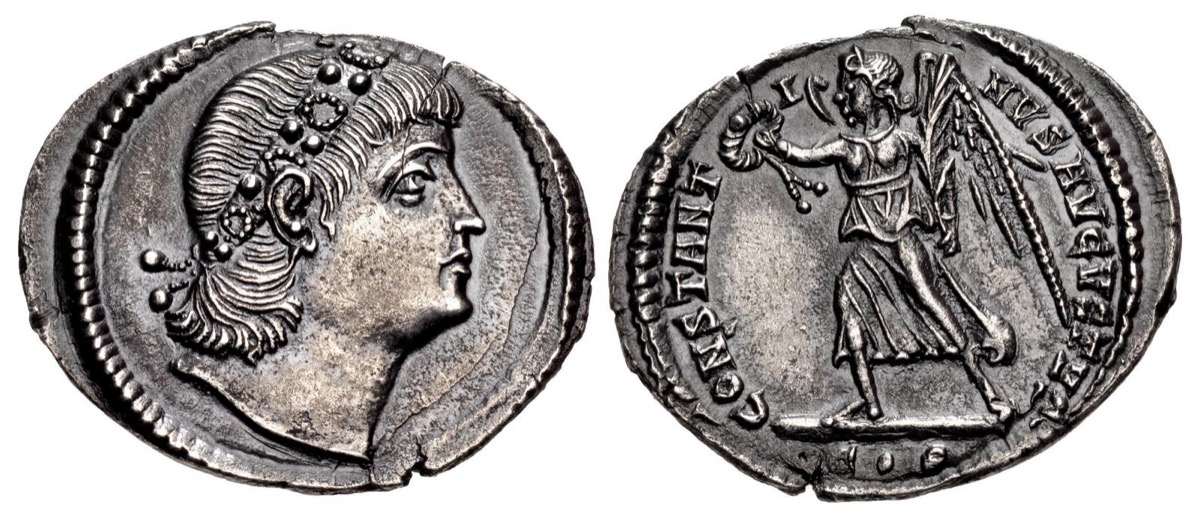
Die Break
A piece of the die face broke away mid-design, leaving a raised unstruck blob inside the coin's design.
How to spot it →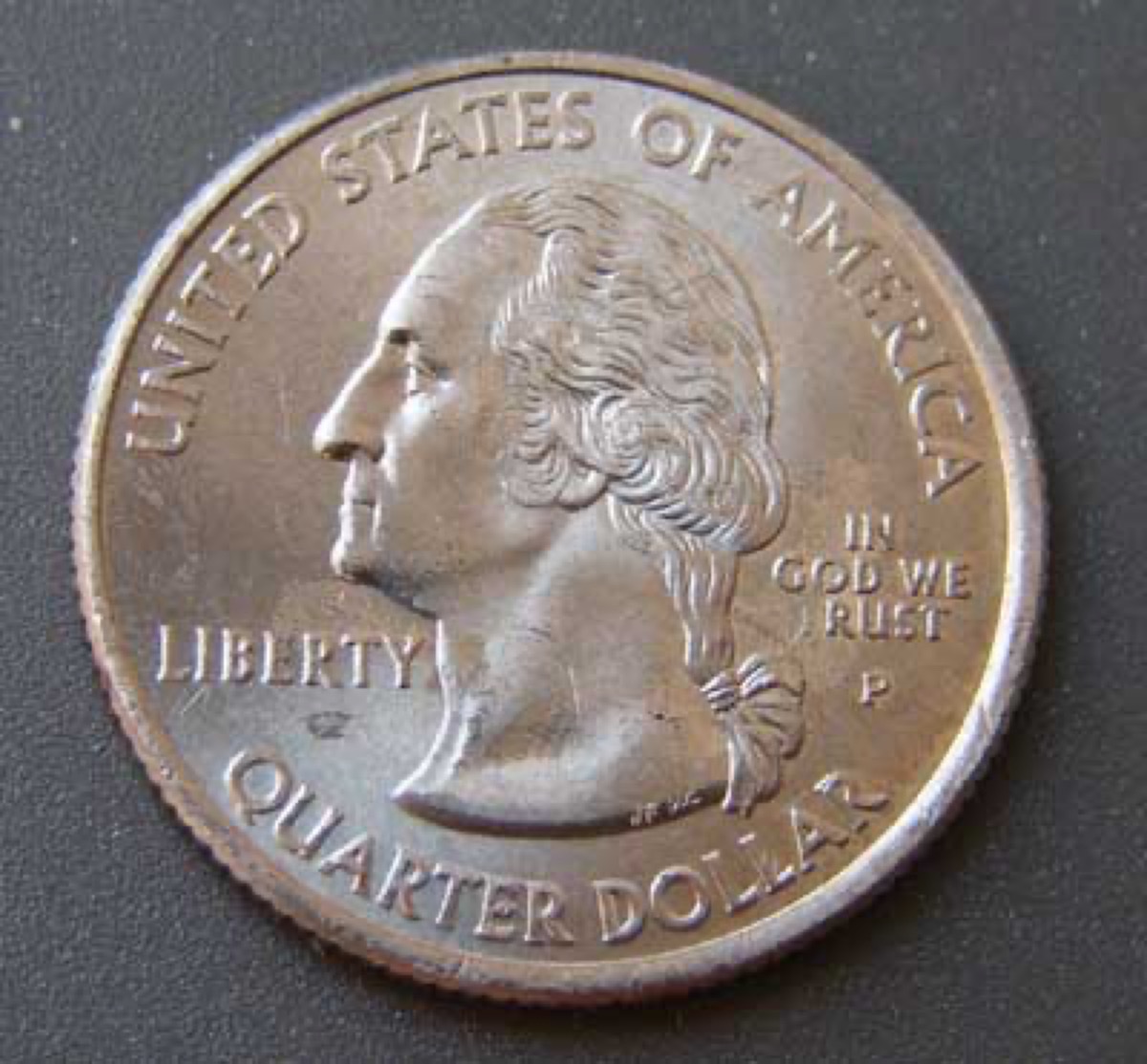
Grease-Filled Die (Struck Through Grease)
Grease and debris packed into the die's recesses blocked part of the design, leaving weak or missing details.
How to spot it →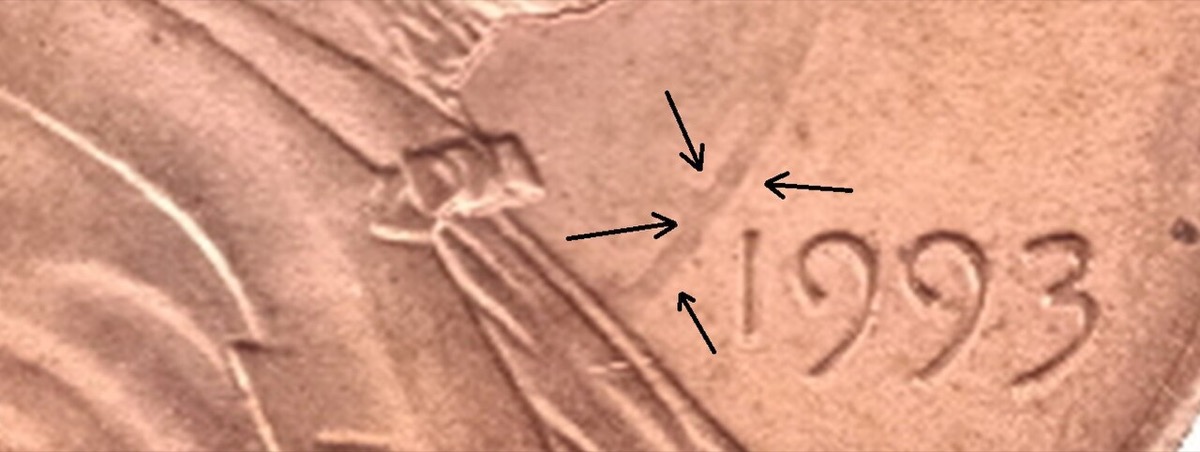
Die Clash
The dies slammed together with no coin between them, imprinting each side's design faintly onto the other.
How to spot it →Planchet errors
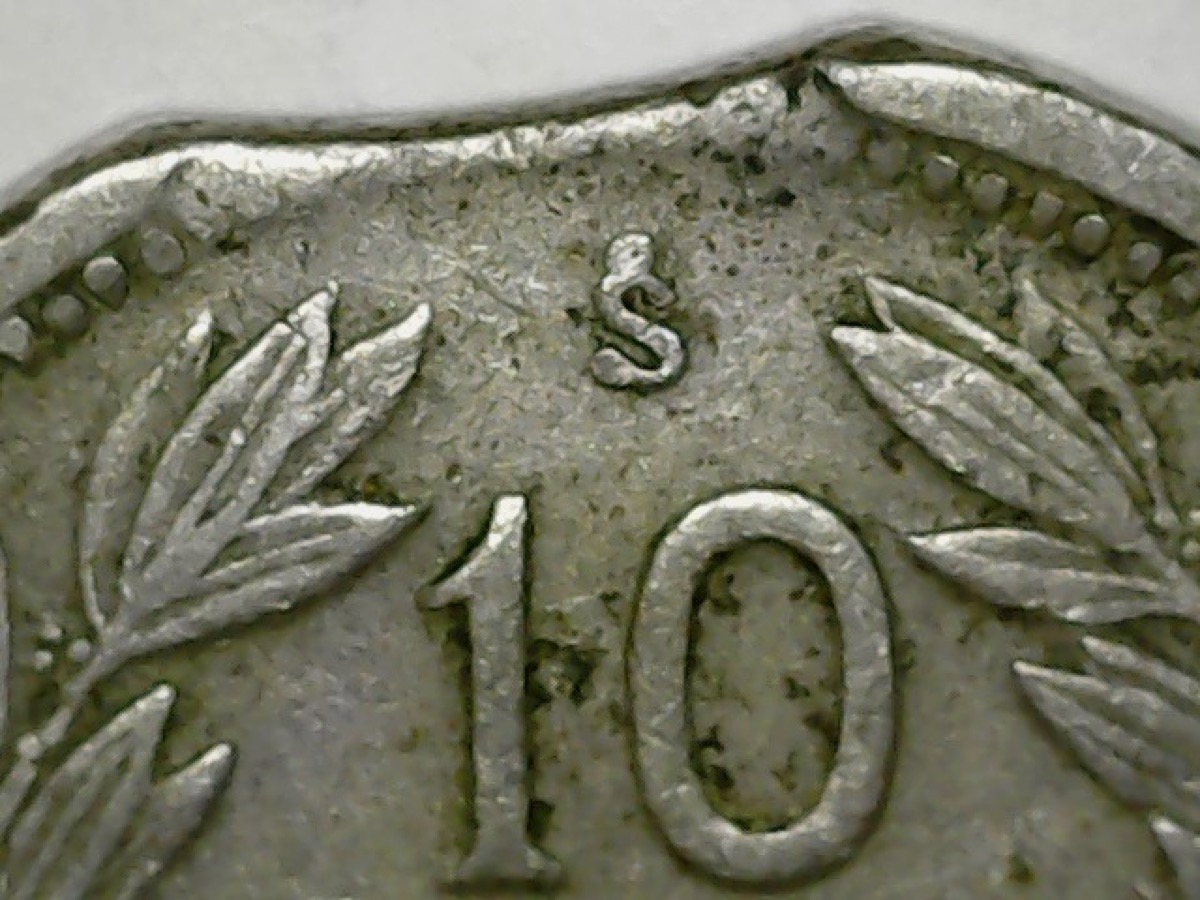
Clipped Planchet
A bite-shaped piece of the coin is missing because the blank was punched from an already-punched part of the metal strip.
How to spot it →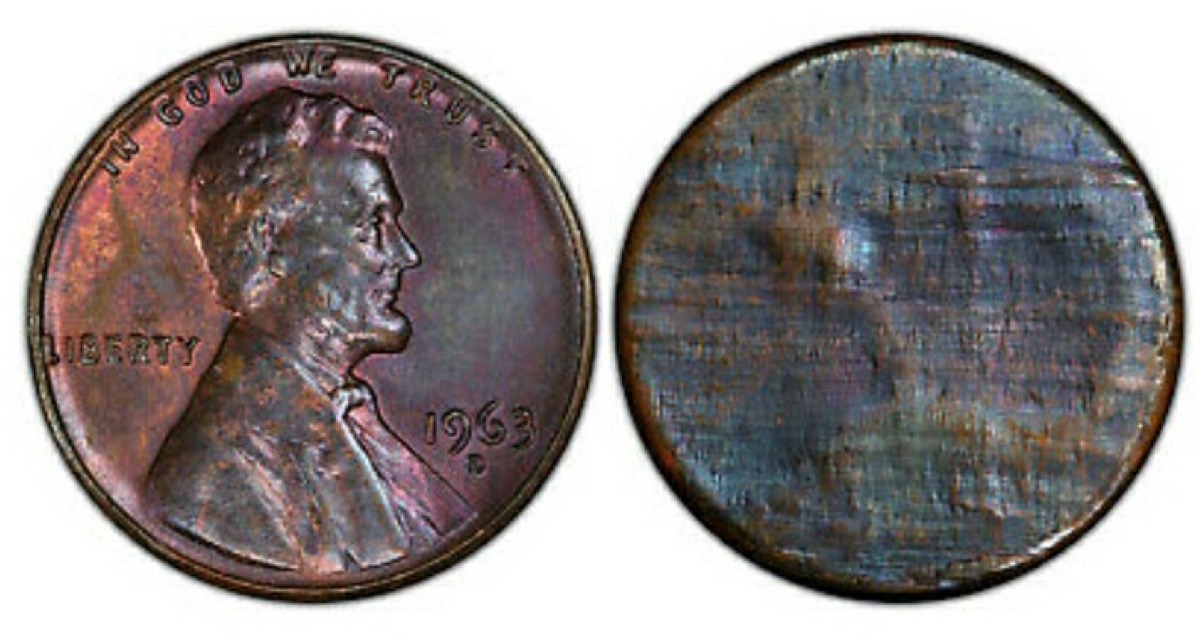
Lamination Error
A thin layer of the coin's metal peels, flakes, or cracks off because the alloy was poorly mixed.
How to spot it →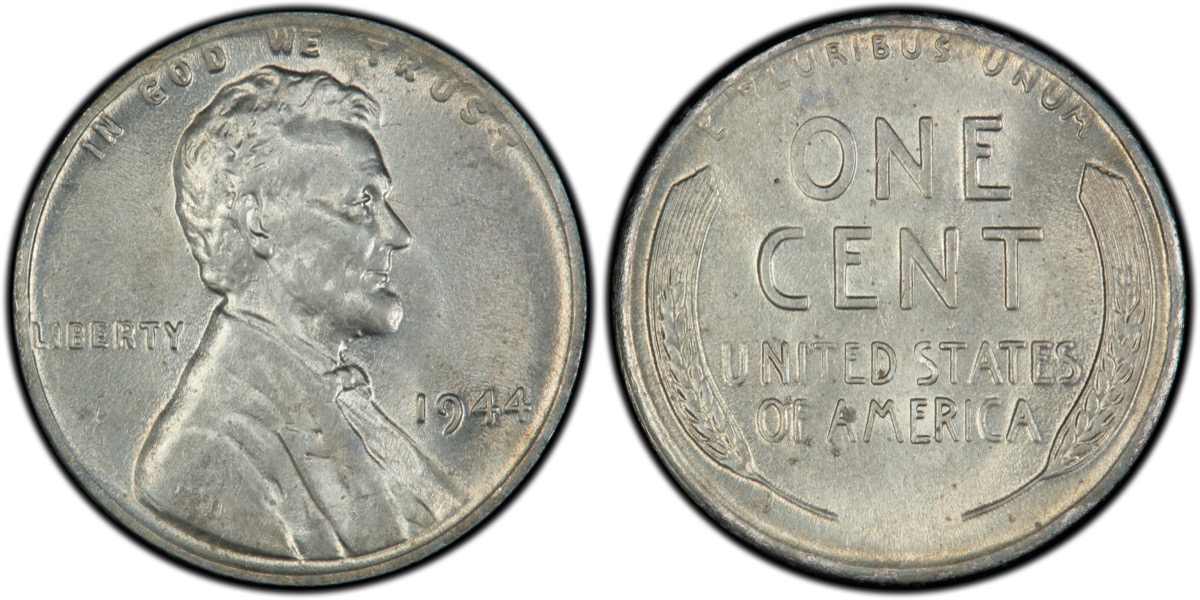
Wrong Planchet
A coin struck on a blank intended for a different denomination or country — like a quarter design on a nickel blank.
How to spot it →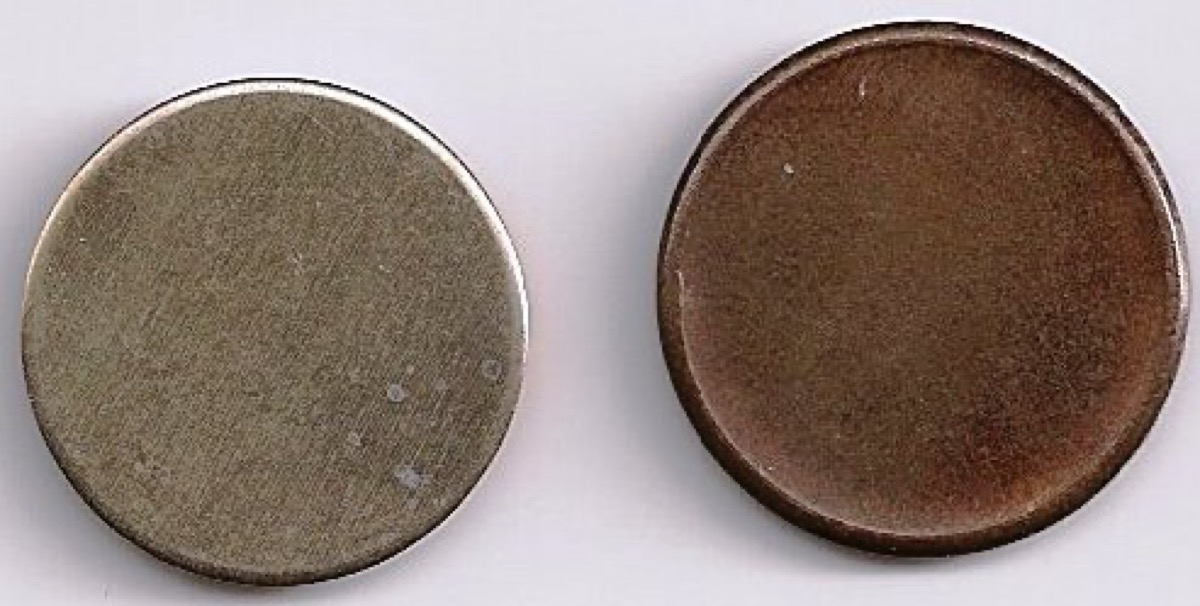
Blank Planchet
A blank disc of coin metal that skipped the presses entirely and escaped the mint unstruck.
How to spot it →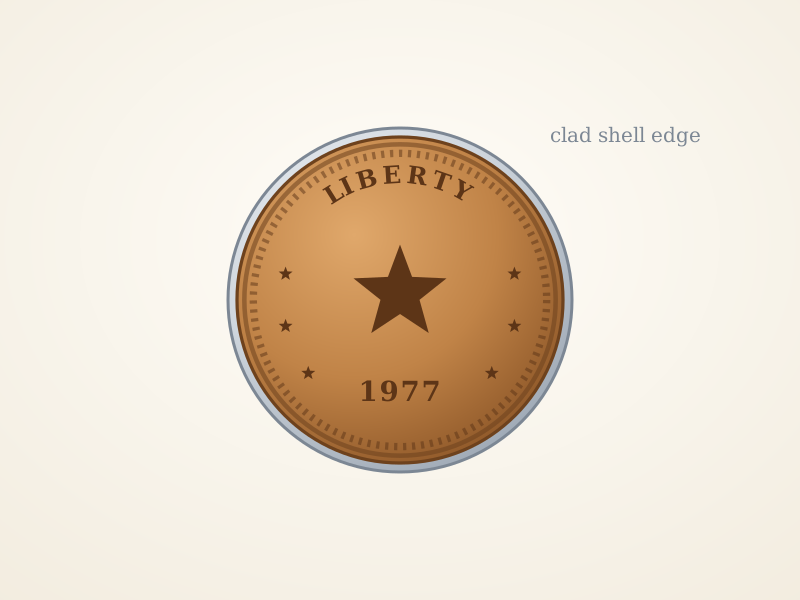
Missing Clad Layer
A dime, quarter, or half is missing its outer silver-colored layer on one side, exposing the copper core.
How to spot it →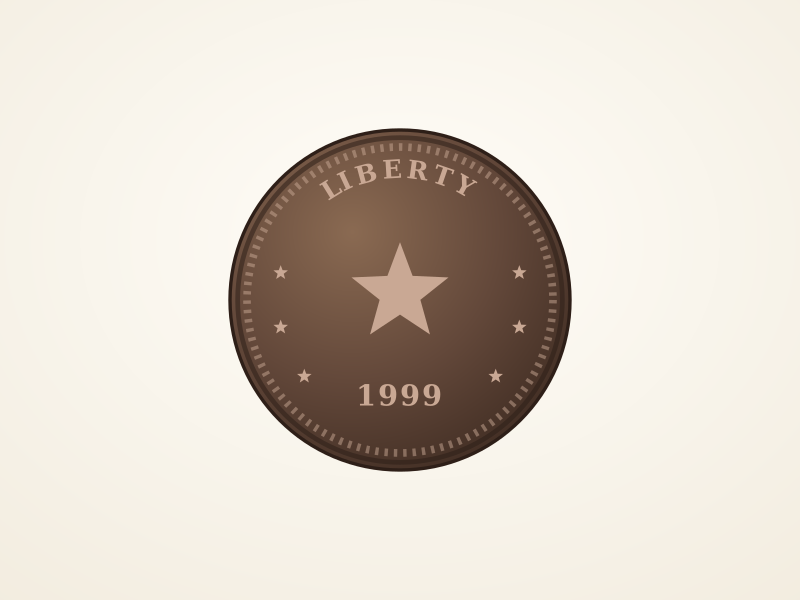
Improperly Annealed Planchet
A heat-treatment mistake turned the blank's surface an unusual color — most famously the coppery-red 'sintered' state quarters and dollars.
How to spot it →Striking errors
Off-Center Strike
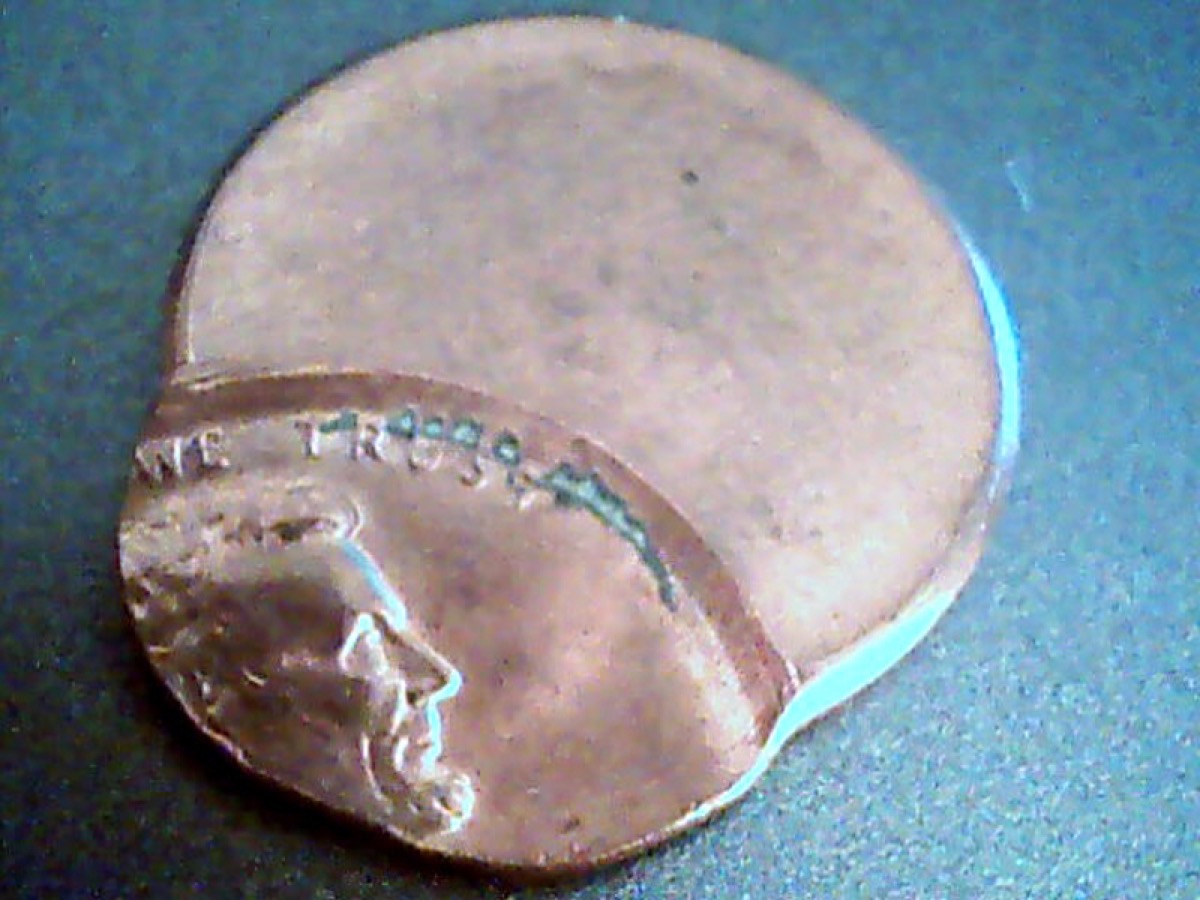
The blank wasn't centered when struck, so part of the design is missing and part of the coin is blank.
How to spot it →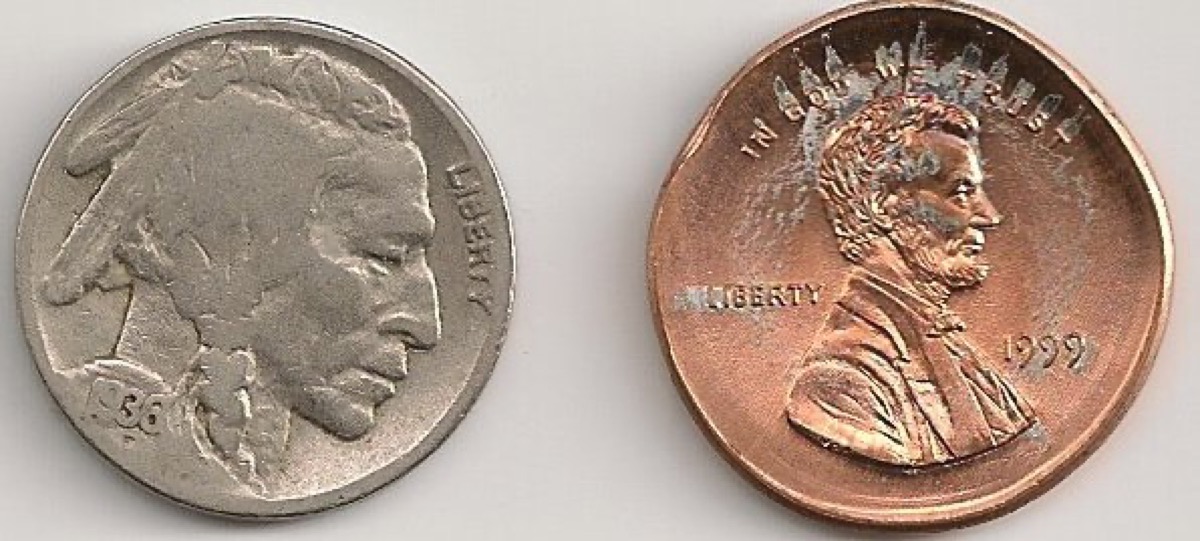
Broadstrike
The coin was struck without its retaining collar, so it spread out wider and thinner than normal.
How to spot it →
Machine Doubling
The die bounced or chattered at the moment of striking, smearing a flat shelf-like second edge onto the design.
How to spot it →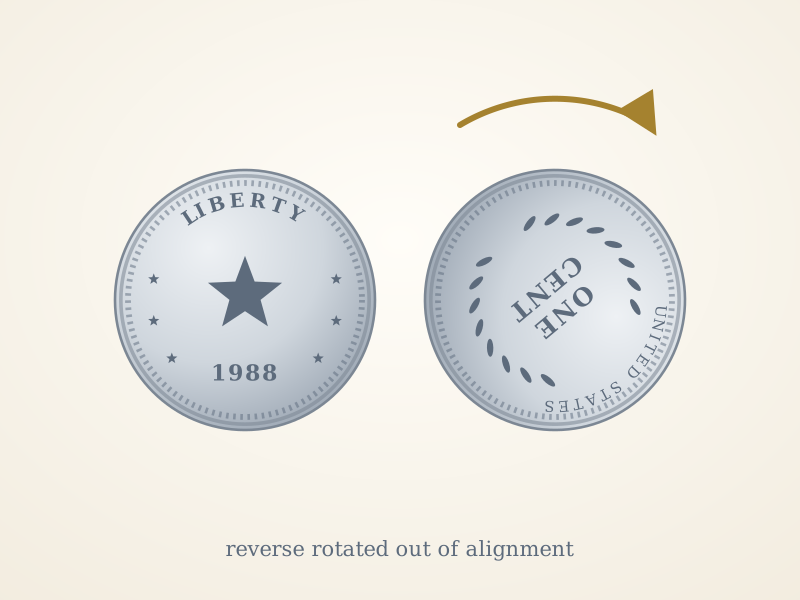
Rotated Die
One die was installed or came loose out of alignment, so the front and back designs are rotated relative to each other.
How to spot it →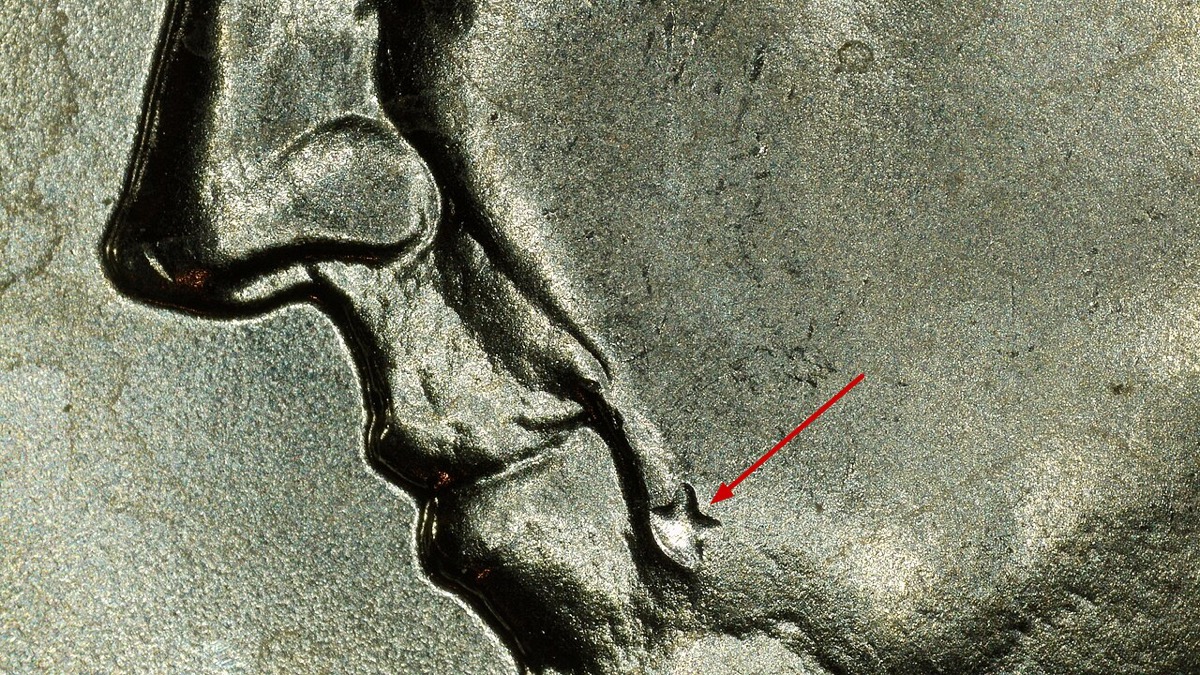
Strike-Through
A foreign object — cloth, wire, grease, or a metal fragment — was on the blank when it was struck, leaving its impression in the coin.
How to spot it →Real error photos where available (credits); remaining images are illustrations.