Eisenhower Dollar
A left-facing portrait of President Dwight D. Eisenhower with LIBERTY above and the date below. An eagle landing on the Moon holding an olive branch, adapted from the Apollo 11 mission insignia (the 1776-1976 Bicentennial coins show the Liberty Bell against the Moon instead).
Composition
Key dates to look for
1973 Ike Dollar
$12+Sold only in Mint sets, never released to circulation
1973-D Ike Dollar
$12+Mint sets only, same as the 1973 Philadelphia
1971-S Ike Dollar
$12+First-year 40% silver collector issue in blue packs and brown boxes
Valuable varieties & errors
1972 Type 2 Reverse
rarePhiladelphia used three different reverse hub designs in 1972. The Type 2 came from a proof hub mistakenly put into regular production for a short time, making it the scarcest and most valuable of the three.
1971-D 'Friendly Eagle'
scarceAn early Denver reverse die pairing used a distinct design with a gentler-looking eagle and a differently shaped Earth. Collectors nicknamed it the Friendly Eagle, and it's recognized by the major grading services.
1776-1976 Type 1 vs Type 2 Lettering
commonBicentennial Ikes come with two reverse lettering styles: Type 1 has thick, low-relief block letters, while Type 2 has thinner, sharper letters. Both are common, but collectors like completing the pair, and Type 1 is scarcer in top uncirculated grades.
Error types found on this series
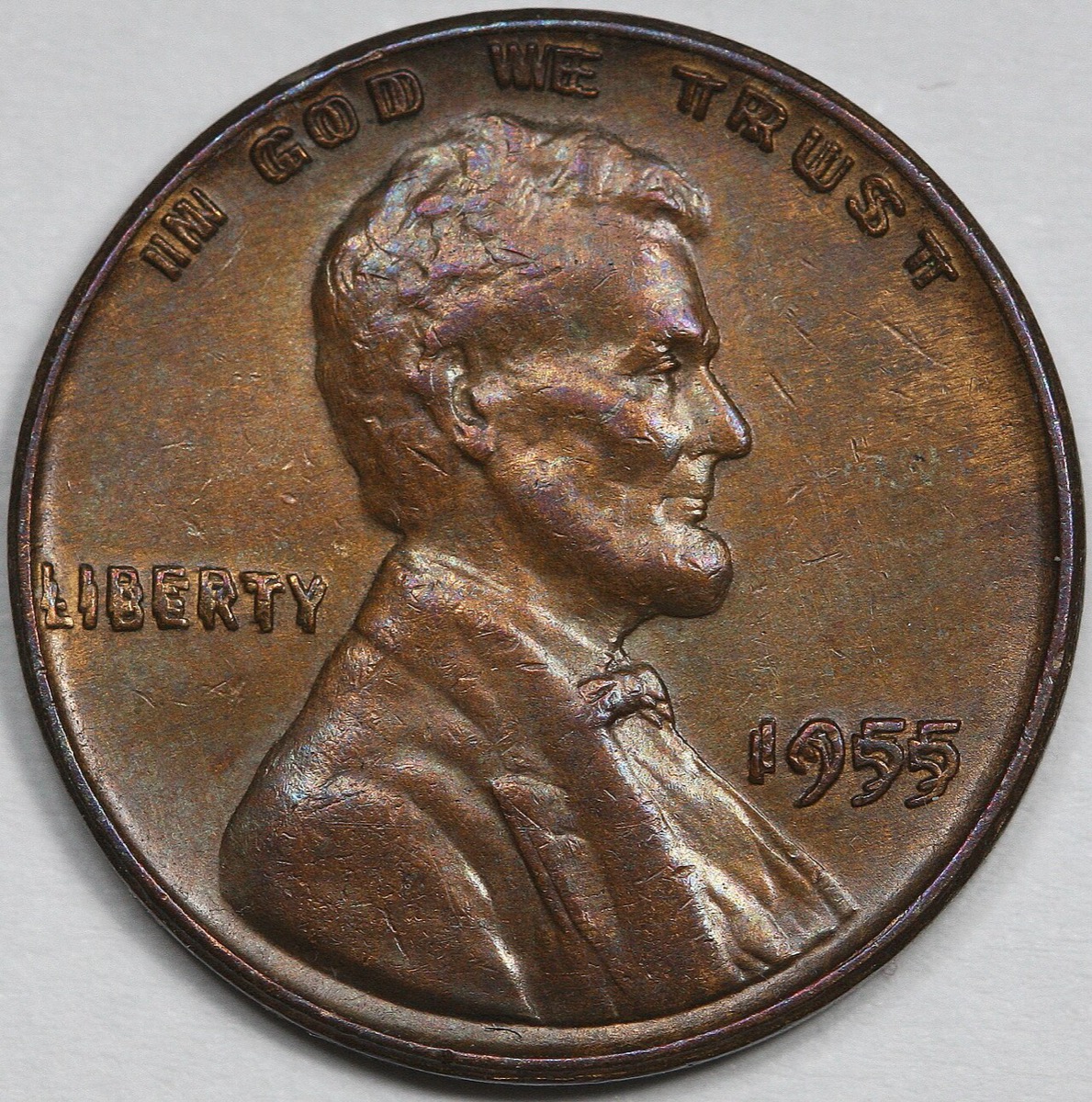
Doubled Die (Obverse)
The front design shows a second, shifted image because the die itself was made doubled.
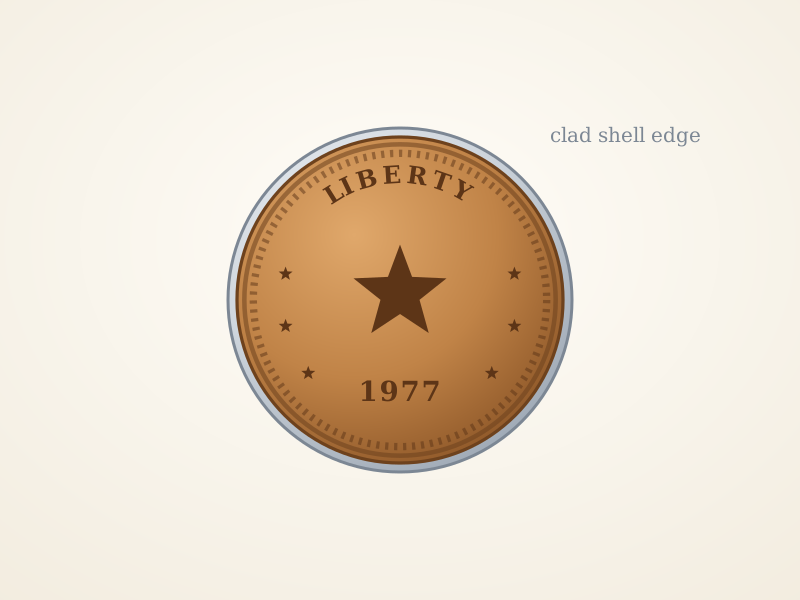
Missing Clad Layer
A dime, quarter, or half is missing its outer silver-colored layer on one side, exposing the copper core.
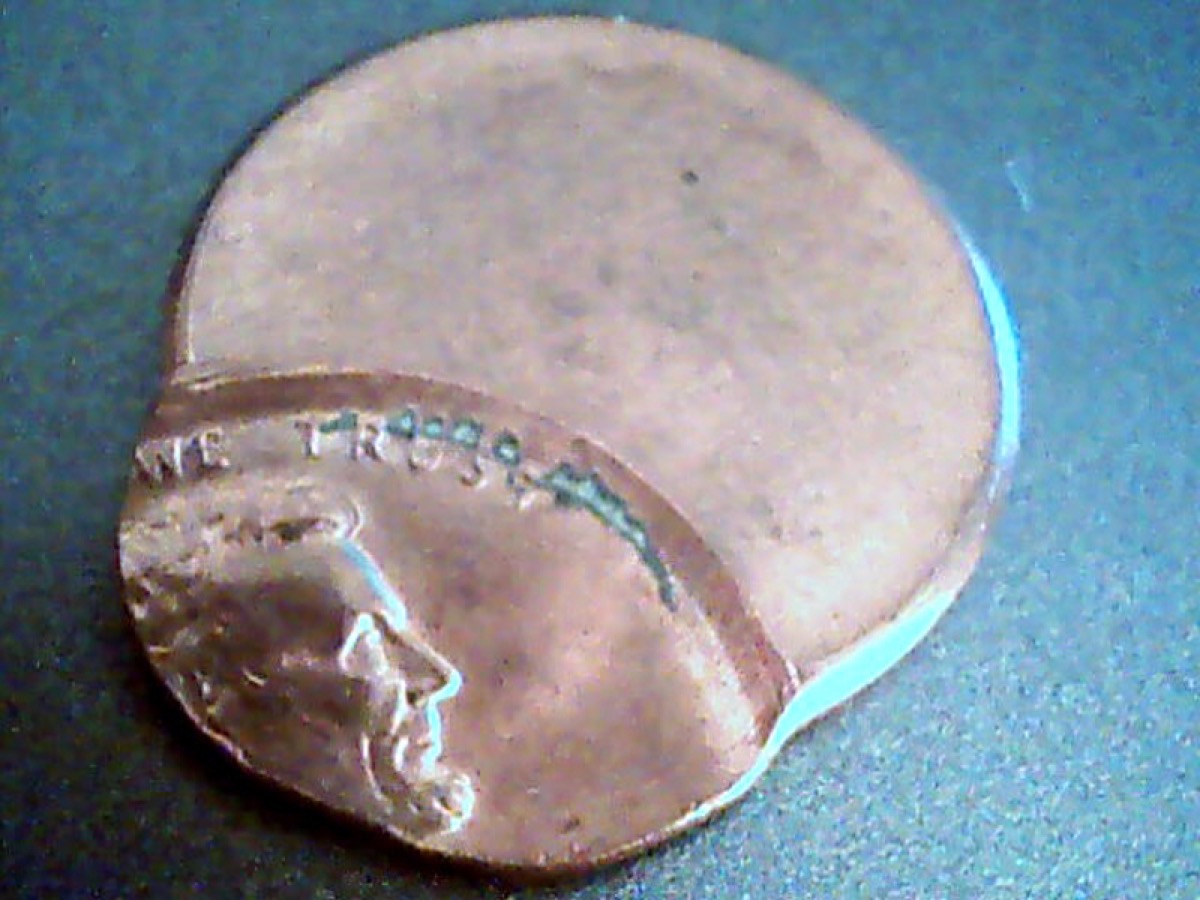
Off-Center Strike
The blank wasn't centered when struck, so part of the design is missing and part of the coin is blank.
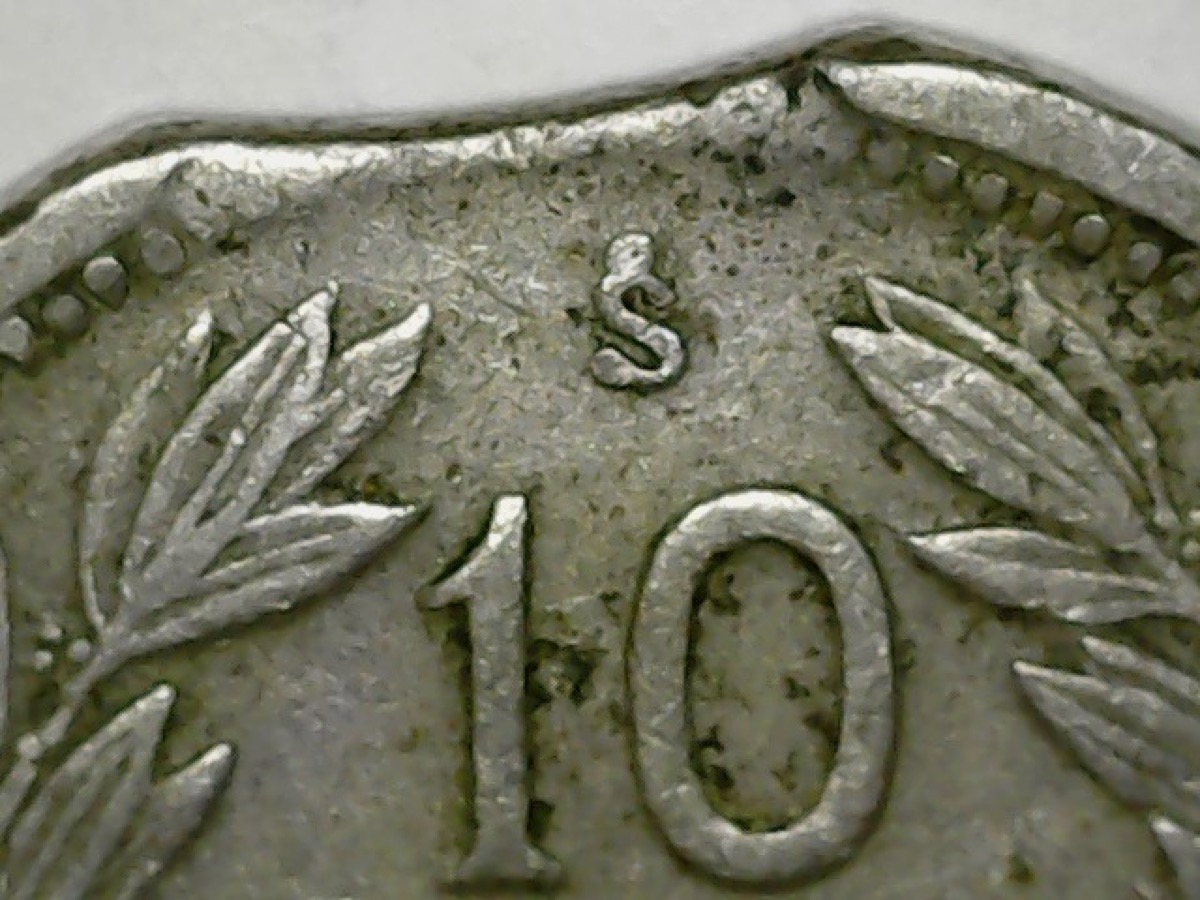
Clipped Planchet
A bite-shaped piece of the coin is missing because the blank was punched from an already-punched part of the metal strip.
Real photos where available (credits); others are illustrations.