Missing Clad Layer
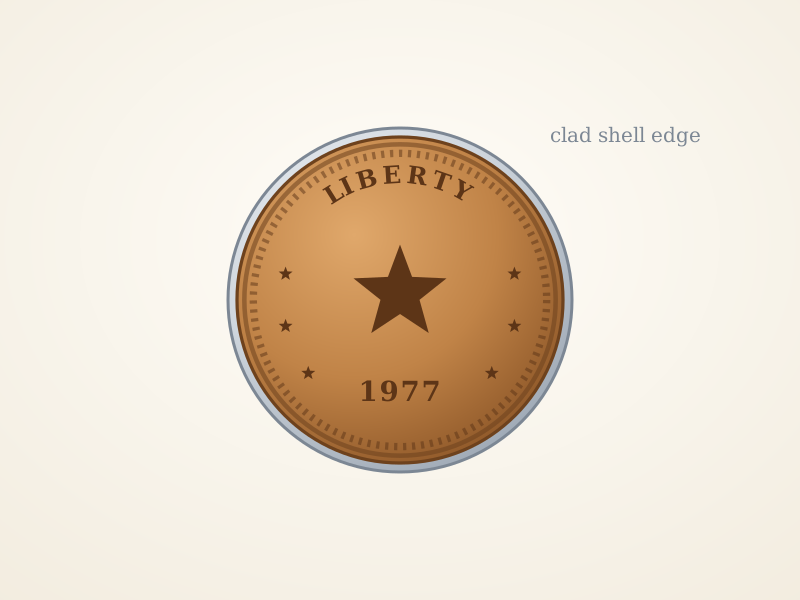
Illustrative example — errors vary coin to coin.
What it is
Since 1965, US dimes, quarters, and halves have been 'clad' coins: a copper core sandwiched between two outer layers of copper-nickel. The layers are bonded before the strip is rolled and blanks are punched. If the bond fails or a layer is missing from part of the strip, a blank can reach the press missing one of its outer layers. The struck coin then shows a normal silver-colored side and a coppery-orange side (or a coppery patch), with full design detail struck into the exposed copper core. The coin will also be noticeably underweight.
How to spot it
One whole side of the coin looks like a penny — orange-brown copper — while the design detail on that side is still fully struck. Weigh it: a quarter missing one clad layer weighs around 4.7-5.0 g instead of the normal 5.67 g, because the missing layer's metal is really gone. That underweight reading is the killer test, since plating or heat discoloration doesn't change the weight. Also check that the copper color is uniform and metallic, not blotchy like toning from a fire or chemicals.
What it's worth
These carry solid premiums: dimes missing a clad layer bring roughly $75-$150, quarters $100-$300, and state quarters or halves more, with fully missing-both-layers coins (struck on the bare copper core) rarer and pricier. Certification is worth it at these prices.
Famous examples
- Missing-clad-layer Roosevelt Dimes
- Missing-clad-layer Washington and State Quarters
- Missing-clad-layer Kennedy Halves
Series where this error is found
Roosevelt Dime Washington Quarter State Quarters Territories Quarters ATB Quarters Crossing the Delaware Women Quarters Kennedy Half Ike Dollar Sacagawea