Indian Head Cent
Liberty facing left wearing a Native American feathered headdress with LIBERTY on the headband, surrounded by UNITED STATES OF AMERICA and the date. The words ONE CENT inside a wreath — a plain laurel wreath in 1859 only, then an oak wreath with a small shield at the top from 1860 onward.
Composition
Key dates to look for
1877 Indian Head
$450 – $3,500+ depending on wearThe key date of the entire series — well under a million struck and heavily used
1909-S Indian Head
$250 – $800 in circulated gradesFinal year and the lowest-mintage S issue (309,000 made)
1908-S Indian Head
$50 – $150 in circulated gradesFirst cent ever struck outside Philadelphia
1869 Indian Head
$70 – $300 in circulated gradesScarce early bronze date beginners often overlook
1872 Indian Head
$70 – $350 in circulated gradesOne of the toughest dates of the 1870s
Valuable varieties & errors
1864 'L' on Ribbon
scarceLate in 1864, designer James Longacre added his initial L to the design, so that year comes both with and without it. The 'With L' version was made in much smaller numbers.
1873 Doubled LIBERTY
rareA doubled die gave the word LIBERTY a bold second impression. It is the most dramatic doubled die of the Indian Head series and is listed by all major grading services.
1888/7 Overdate
extremeAn 1887-dated die was repunched with 1888, leaving a trace of the 7 under the last 8. Only a small number have been found, making it a major rarity discovered decades after it was struck.
Error types found on this series
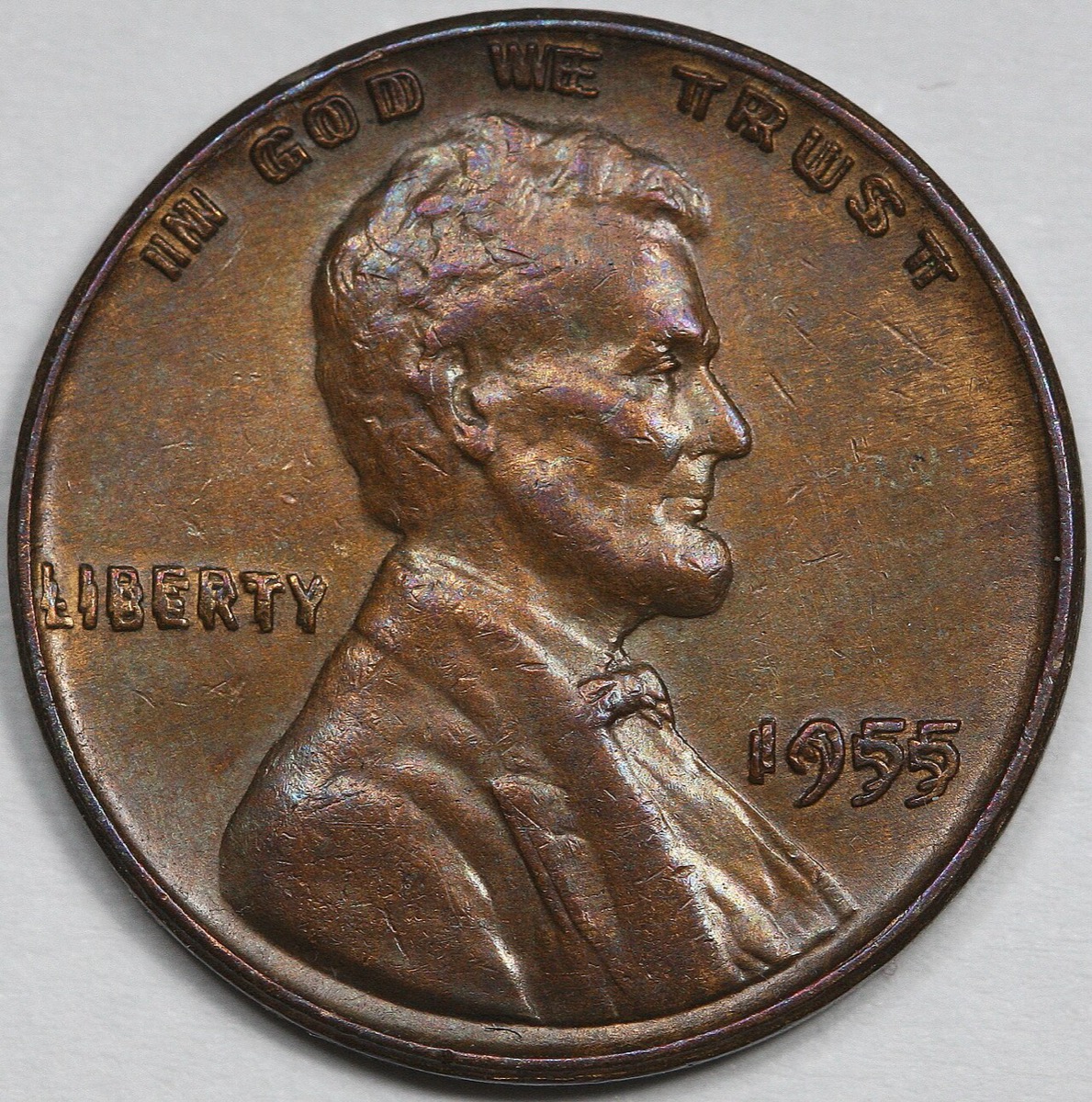
Doubled Die (Obverse)
The front design shows a second, shifted image because the die itself was made doubled.
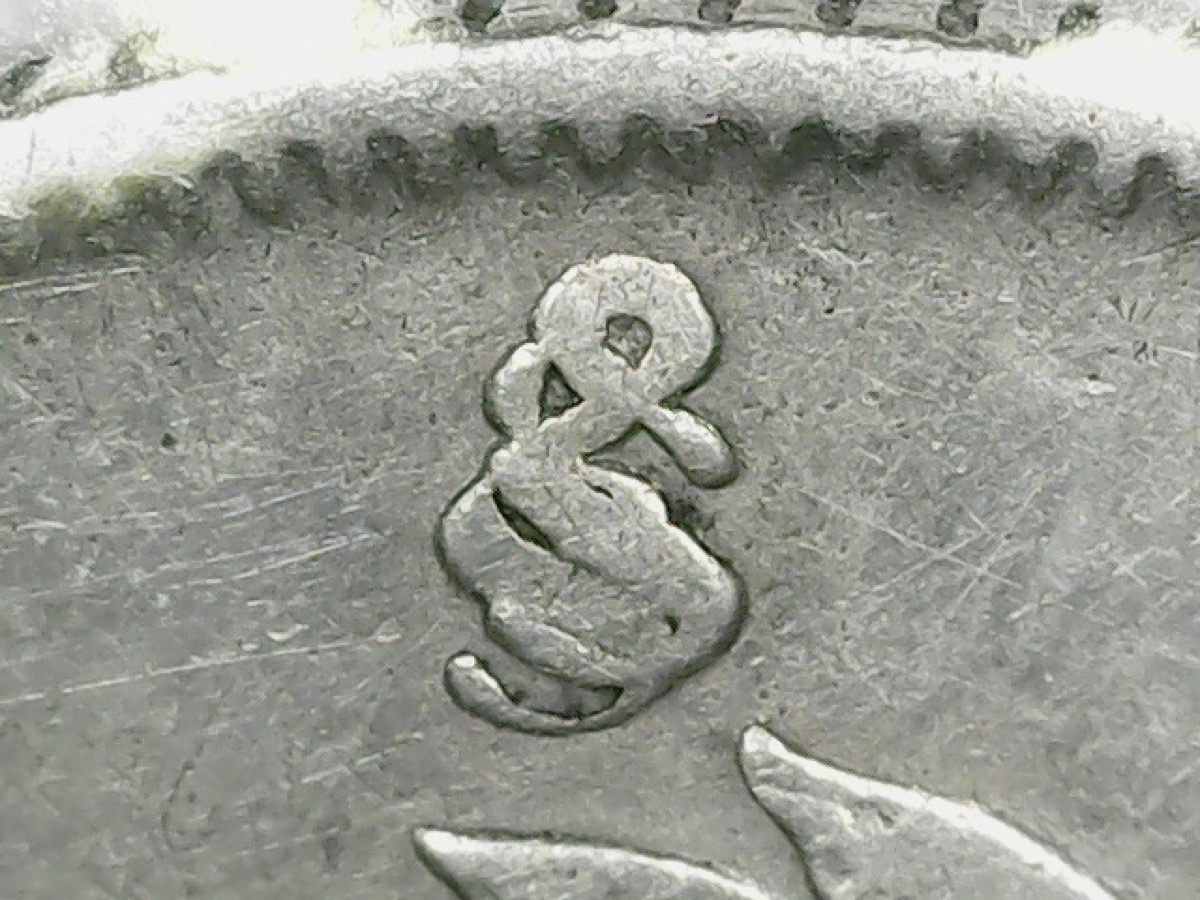
Repunched Mint Mark (RPM)
The mint mark was punched into the die more than once, slightly off position, leaving a doubled letter.
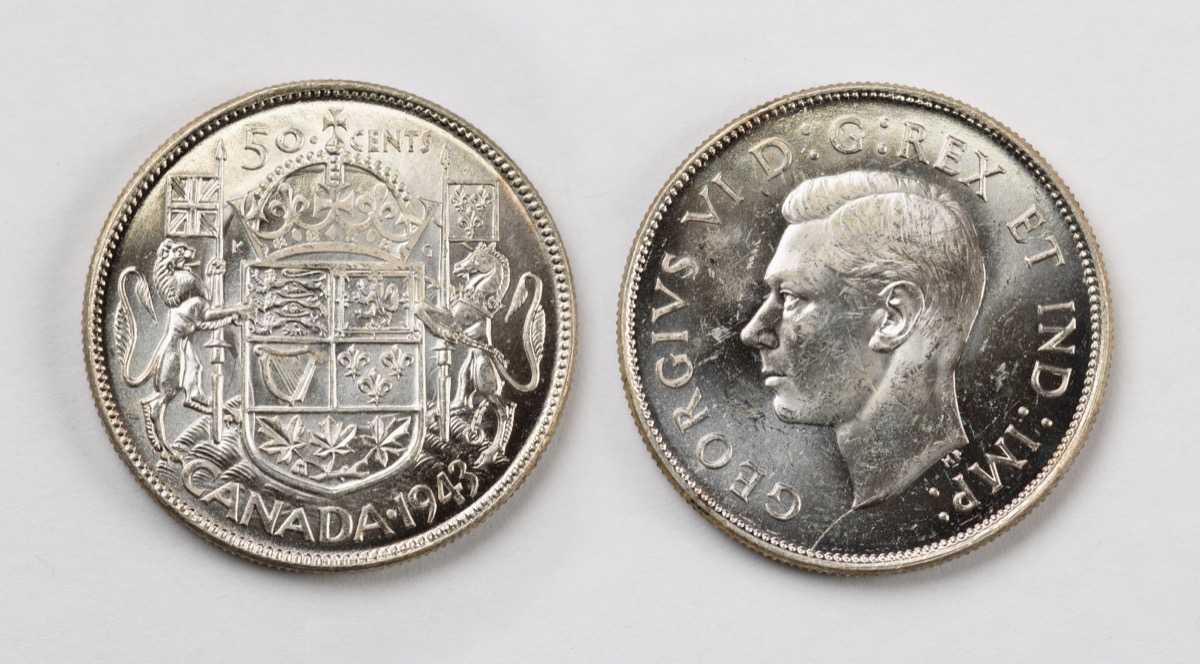
Die Crack
A crack in the die fills with metal during the strike, leaving a thin raised line on the coin.
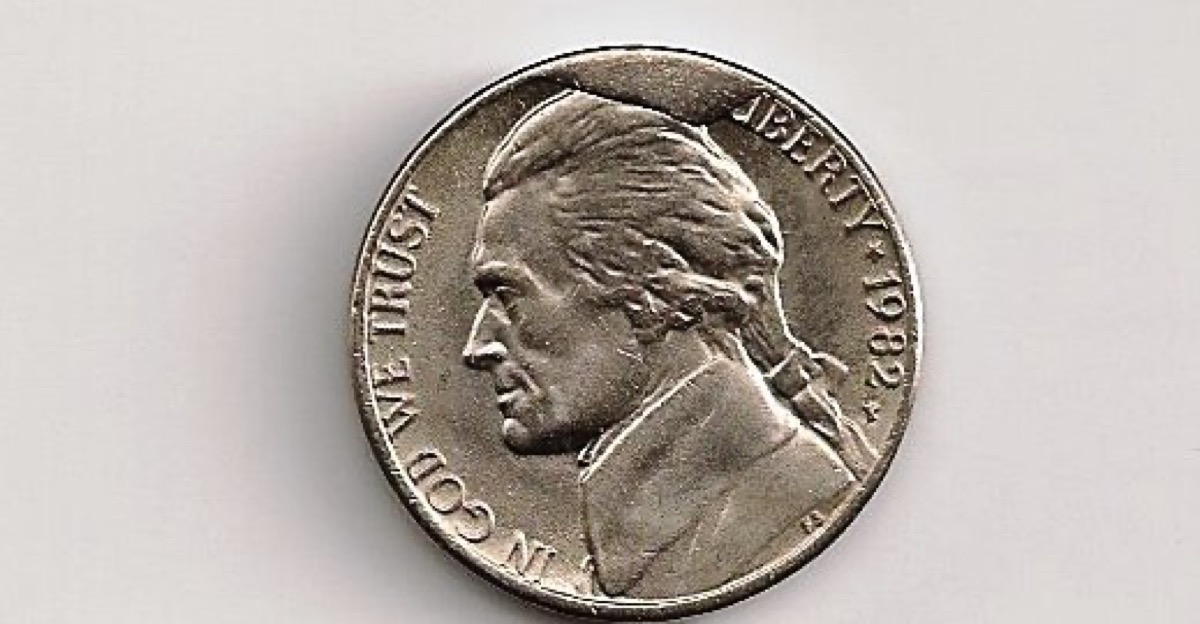
Die Cud
A piece of the die broke off at the rim, leaving a raised featureless blob attached to the coin's edge.
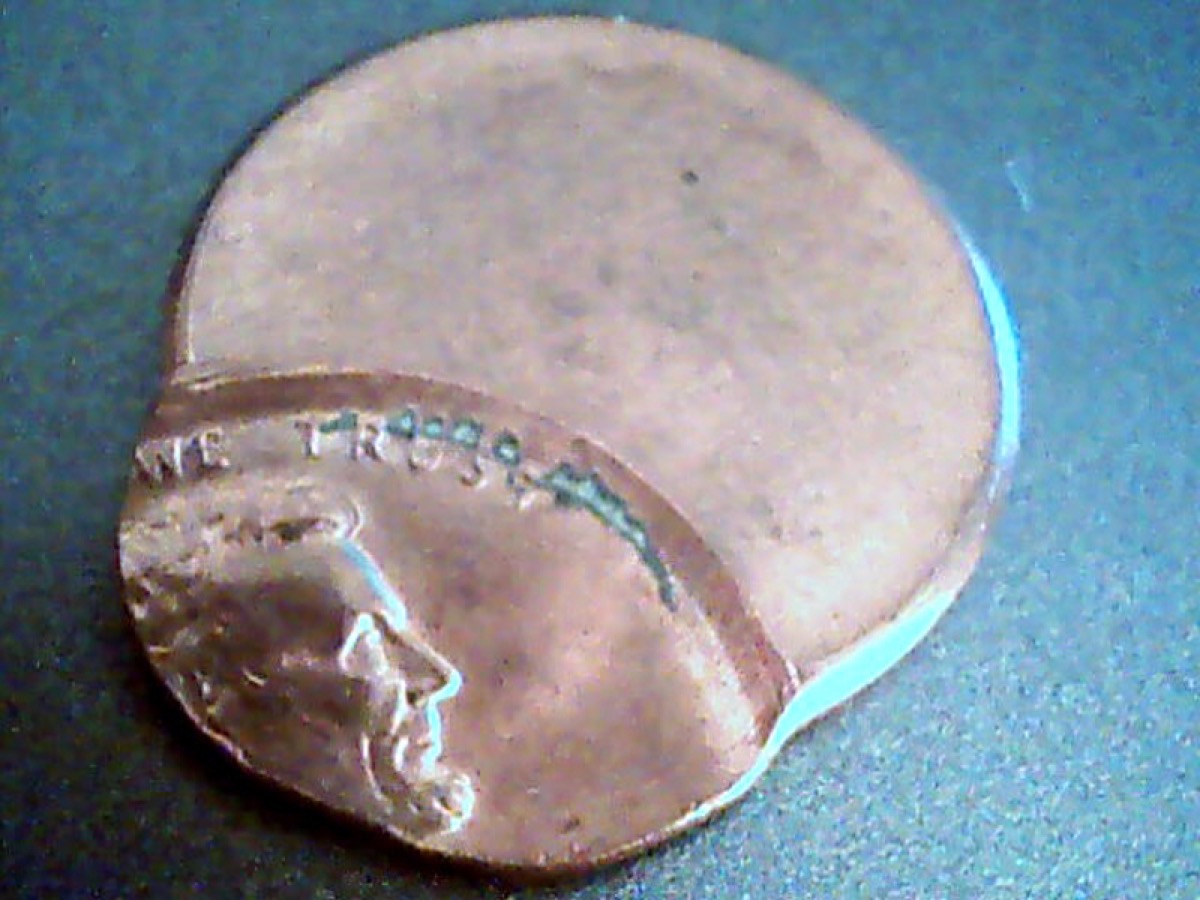
Off-Center Strike
The blank wasn't centered when struck, so part of the design is missing and part of the coin is blank.
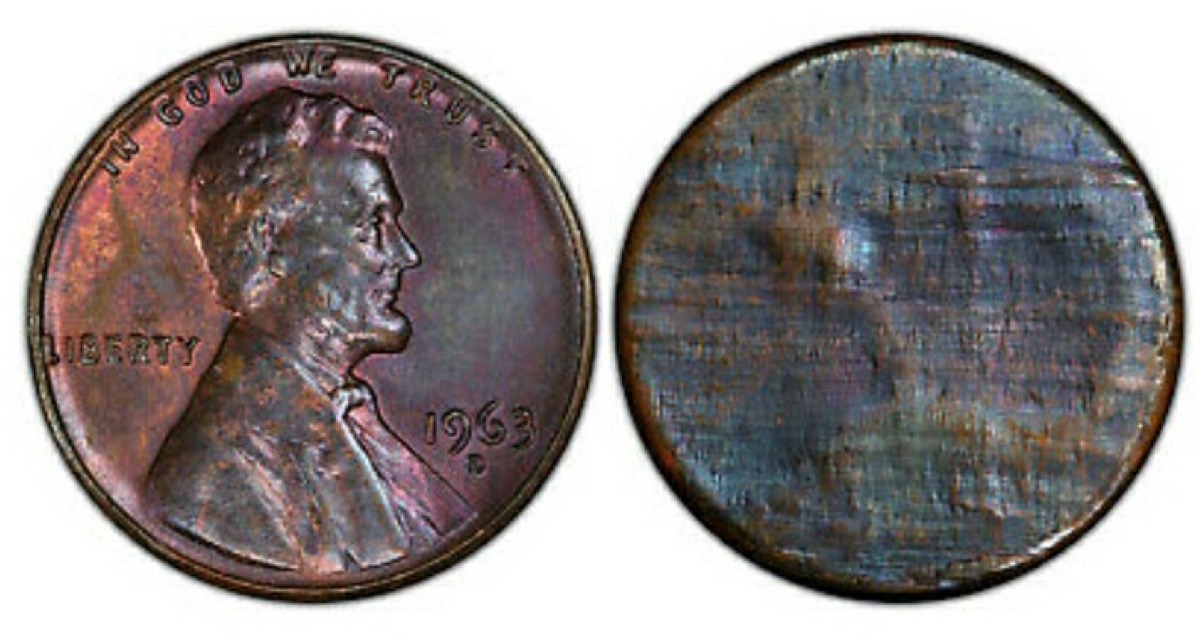
Lamination Error
A thin layer of the coin's metal peels, flakes, or cracks off because the alloy was poorly mixed.
Real photos where available (credits); others are illustrations.