Jefferson Nickel
Thomas Jefferson's left-facing portrait with IN GOD WE TRUST in front of his face and the date behind his shoulder. Jefferson's Virginia home Monticello, shown straight-on with its name below and FIVE CENTS under that.
Composition
Key dates to look for
1938-D Jefferson Nickel
$1–3, more uncirculatedFirst-year Denver issue with a modest mintage
1938-S Jefferson Nickel
$2–4Lowest mintage of the first year at 4.1 million
1939-D Jefferson Nickel
$4+ worn, $30+ uncirculatedJust 3.5 million struck — a series semi-key
1939-S Jefferson Nickel
$2+Low mintage of 6.6 million
1950-D Jefferson Nickel
$10+ in any conditionFamous 2.6 million mintage — hoarded in rolls, so most survivors are uncirculated
Valuable varieties & errors
1939 Doubled MONTICELLO
rareA doubled hubbing on a reverse die boldly doubled the words MONTICELLO and FIVE CENTS. It is the best-known doubled die of the whole Jefferson series.
1942-D D Over Horizontal D
rareA Denver mint mark was first punched into the die lying on its side, then corrected with an upright D on top. This dramatic repunched mint mark is scarce in all grades and rare uncirculated.
1943/2-P Overdate
rareA war nickel die hubbed with a 1942 date was finished with 1943 hubs, leaving parts of a 2 beneath the 3. It is the only overdate in the Jefferson series.
1949-D/S (D Over S)
rareA die originally punched with an S mint mark was corrected with a D for use at Denver. It was the first D-over-S discovered on any US coin and remains a series favorite.
1954-S/D (S Over D)
scarceA leftover Denver die was re-punched with an S mint mark for San Francisco. The buried D is subtle, making this a fun loupe challenge for beginners.
1955-D/S (D Over S)
scarceSan Francisco stopped striking circulation coins after 1955, and some of its unused dies were re-punched with a D for Denver. Several different die pairs of this D-over-S are known.
Error types found on this series
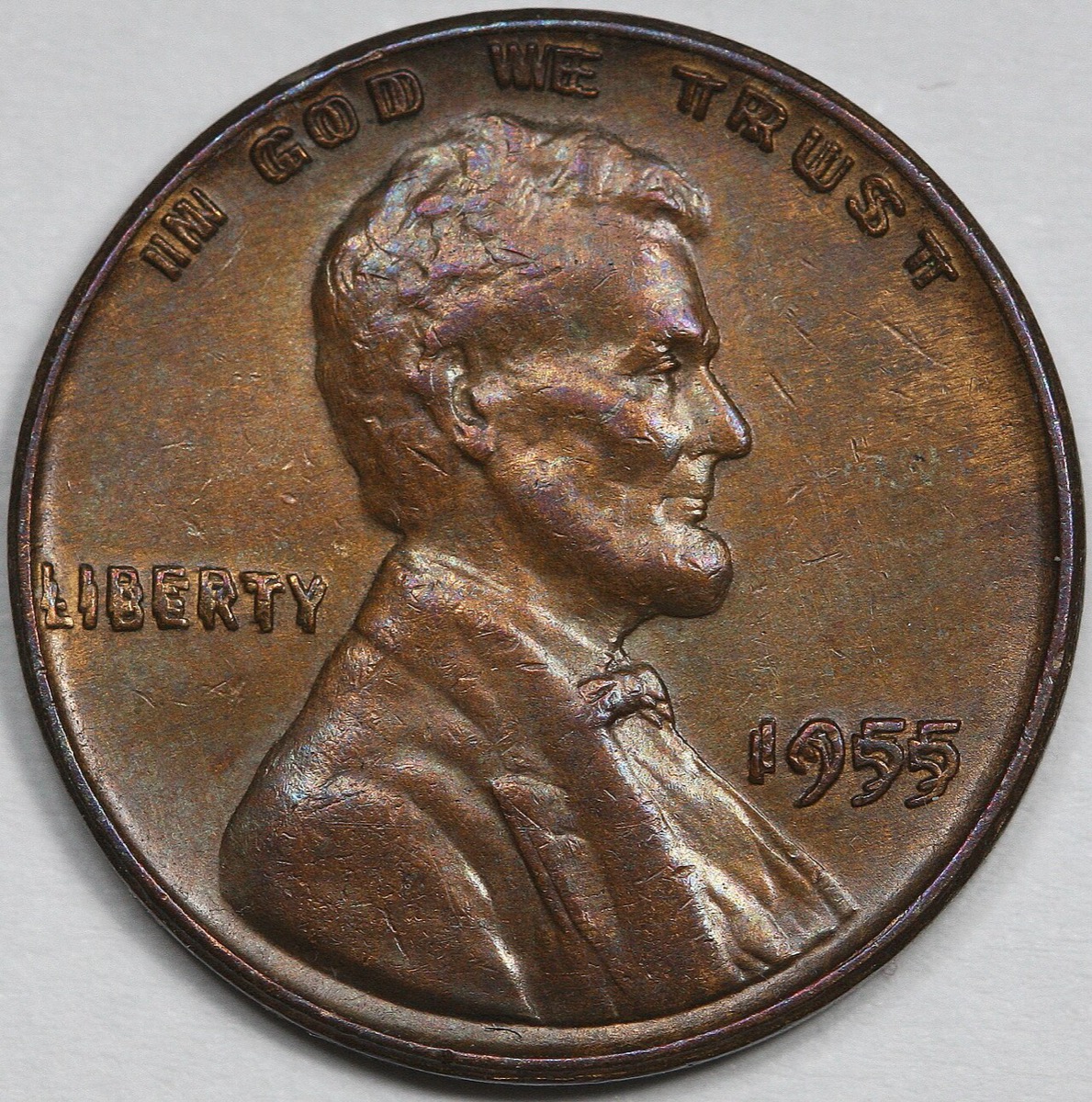
Doubled Die (Obverse)
The front design shows a second, shifted image because the die itself was made doubled.
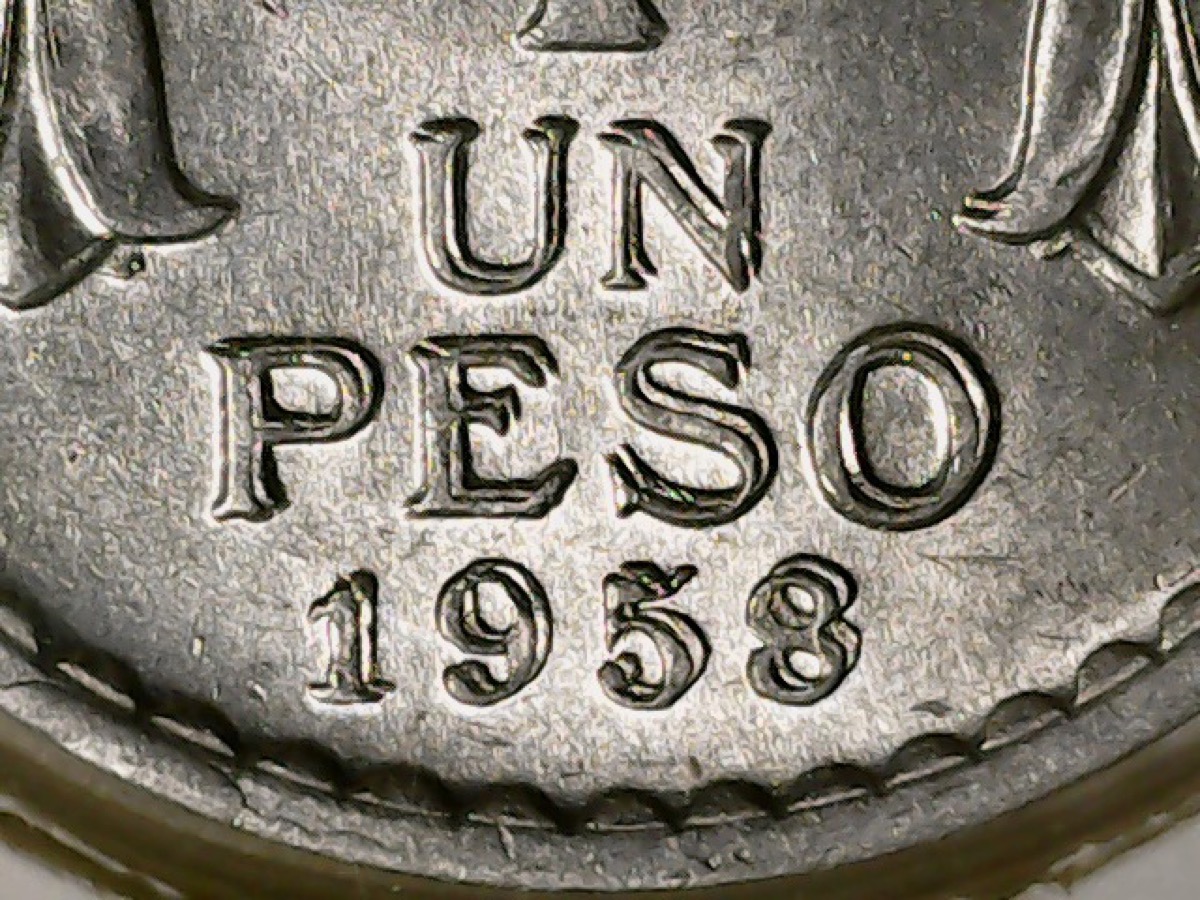
Doubled Die (Reverse)
Same as a doubled die obverse, but the doubling appears on the back of the coin.
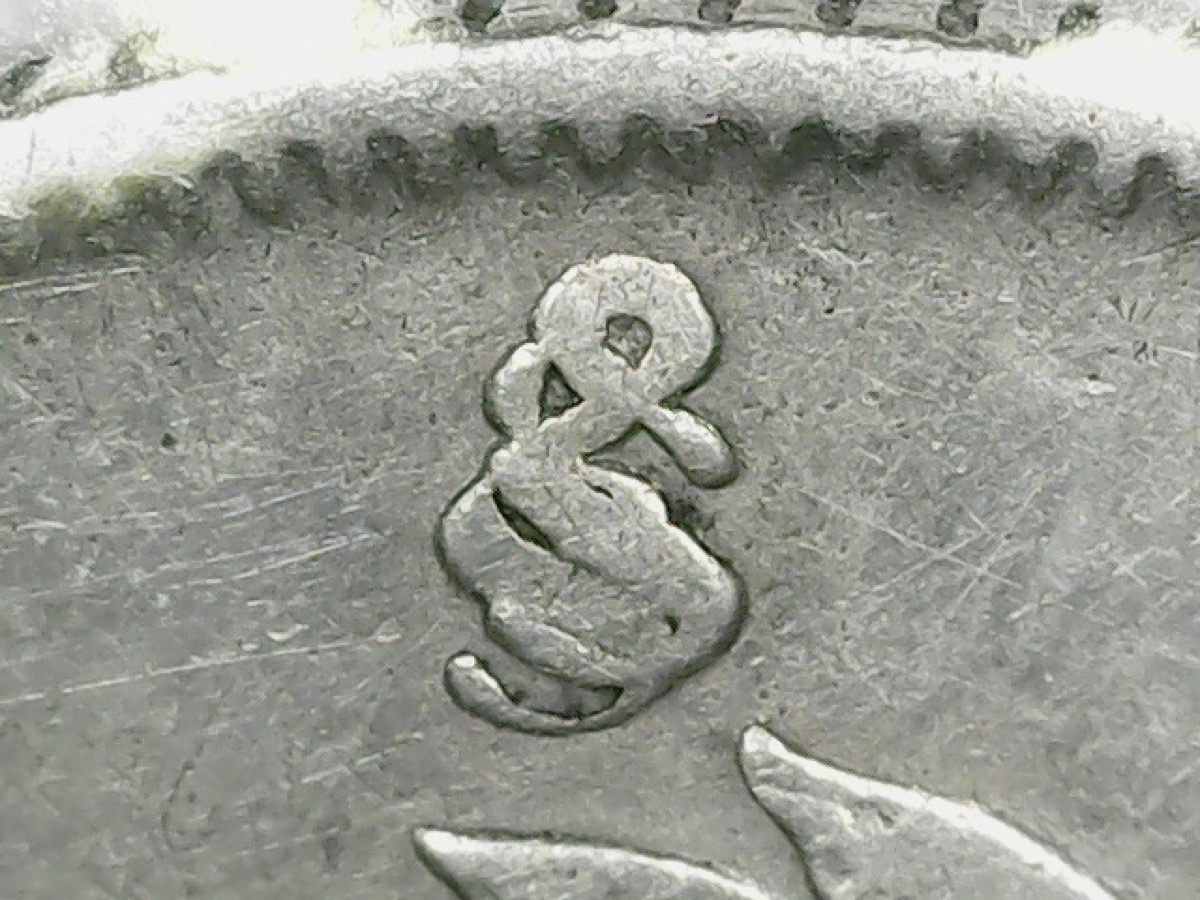
Repunched Mint Mark (RPM)
The mint mark was punched into the die more than once, slightly off position, leaving a doubled letter.
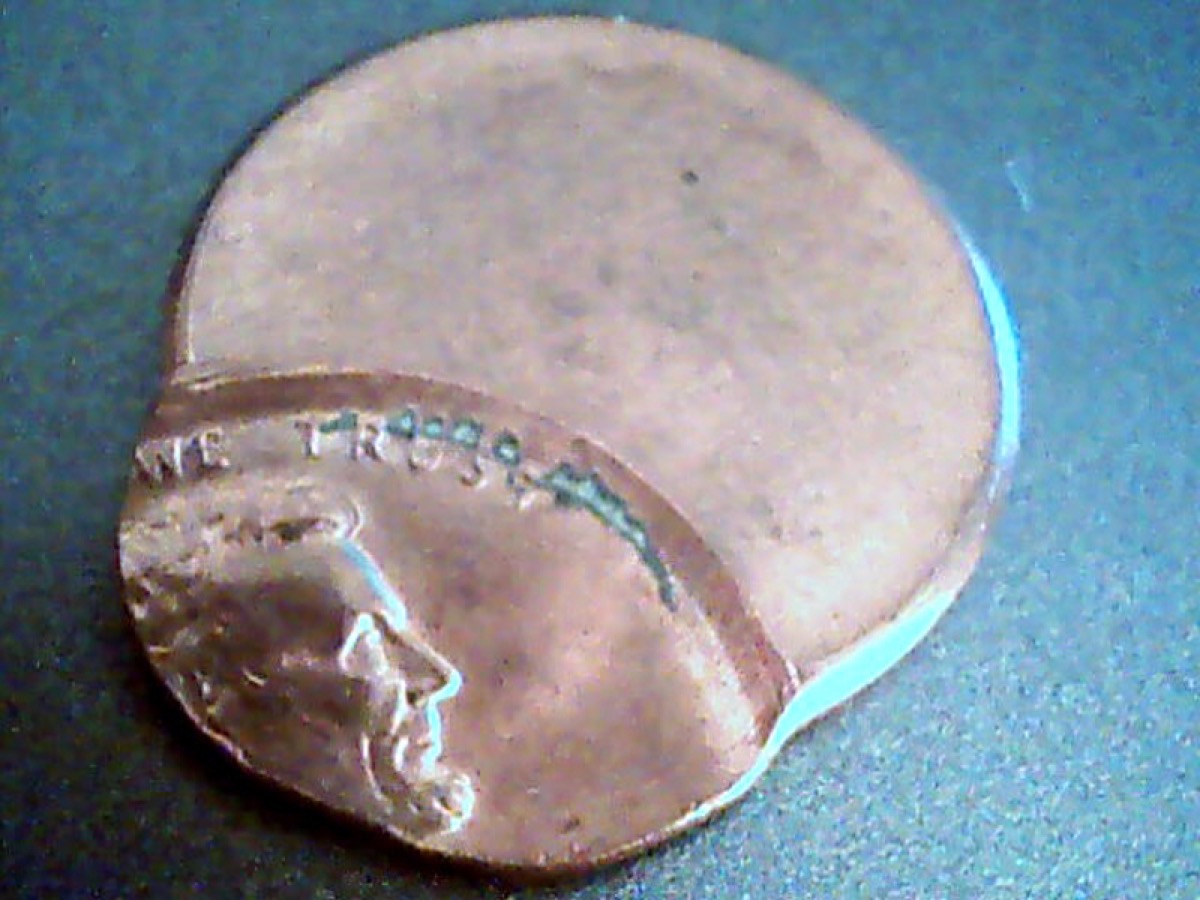
Off-Center Strike
The blank wasn't centered when struck, so part of the design is missing and part of the coin is blank.
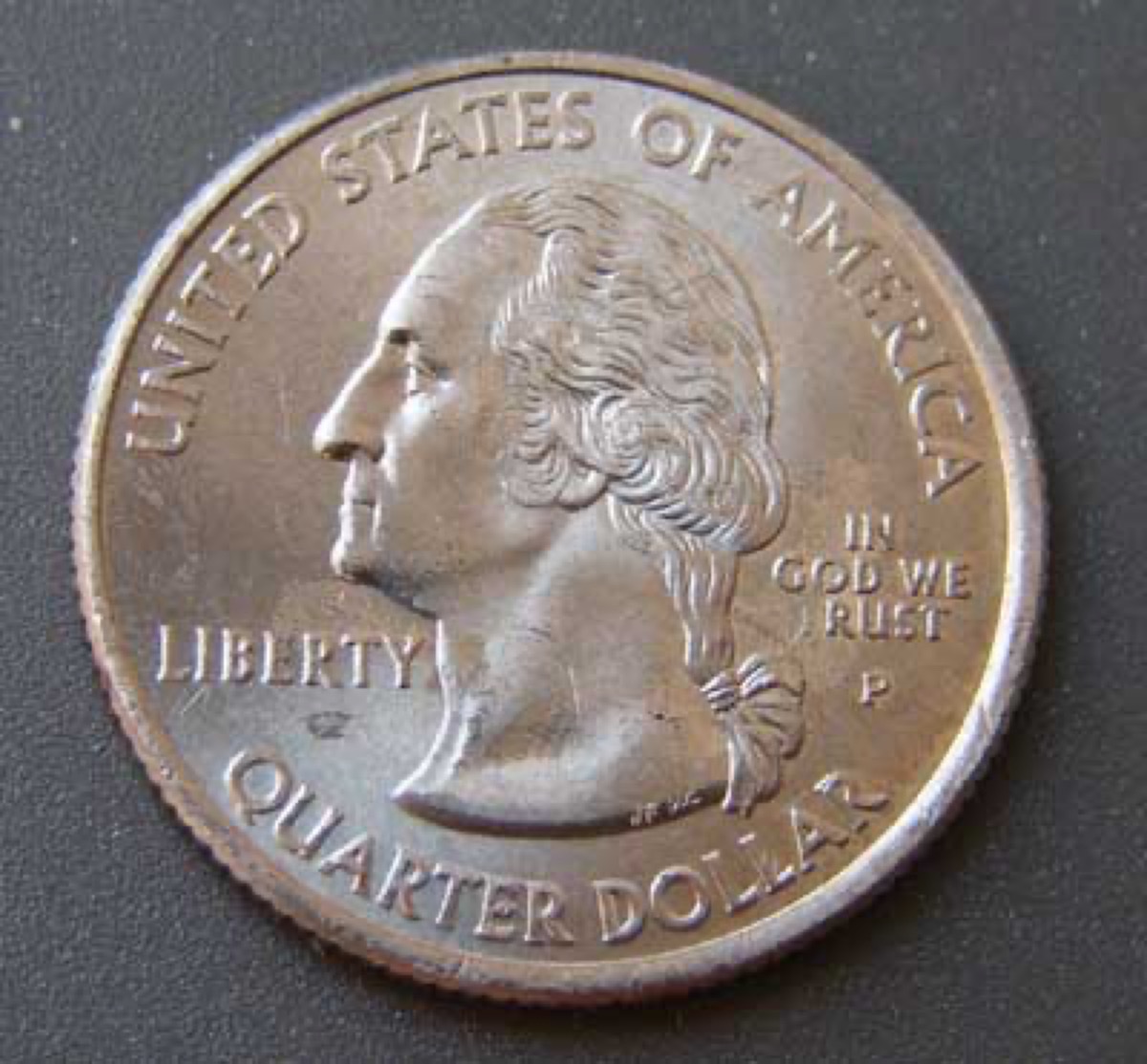
Grease-Filled Die (Struck Through Grease)
Grease and debris packed into the die's recesses blocked part of the design, leaving weak or missing details.
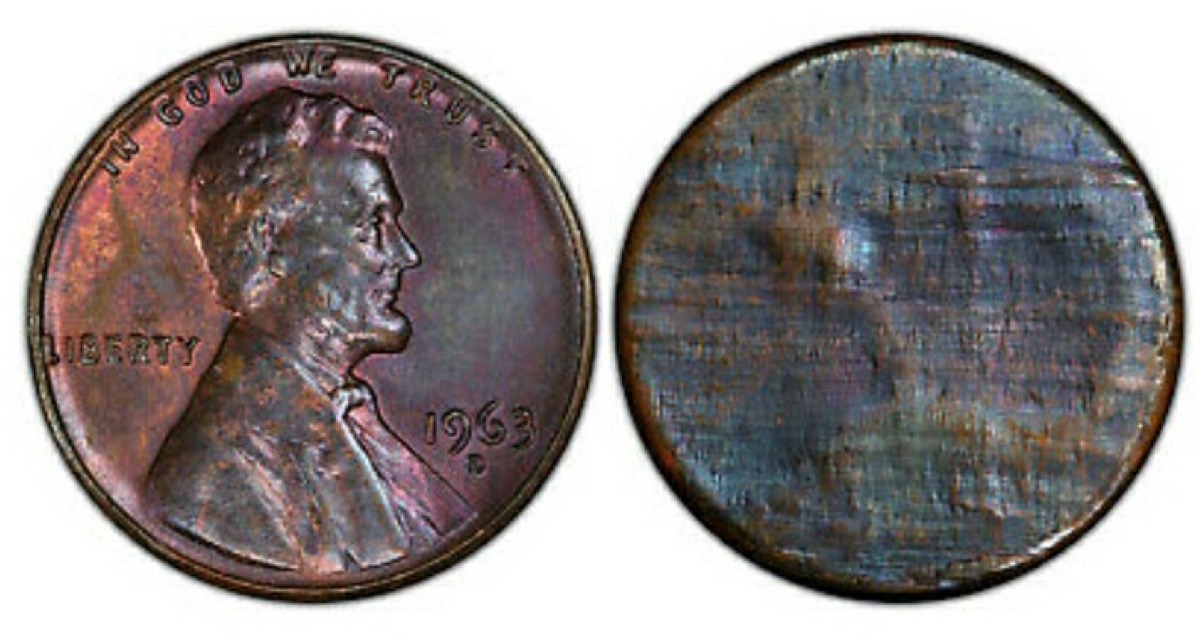
Lamination Error
A thin layer of the coin's metal peels, flakes, or cracks off because the alloy was poorly mixed.

Machine Doubling
The die bounced or chattered at the moment of striking, smearing a flat shelf-like second edge onto the design.
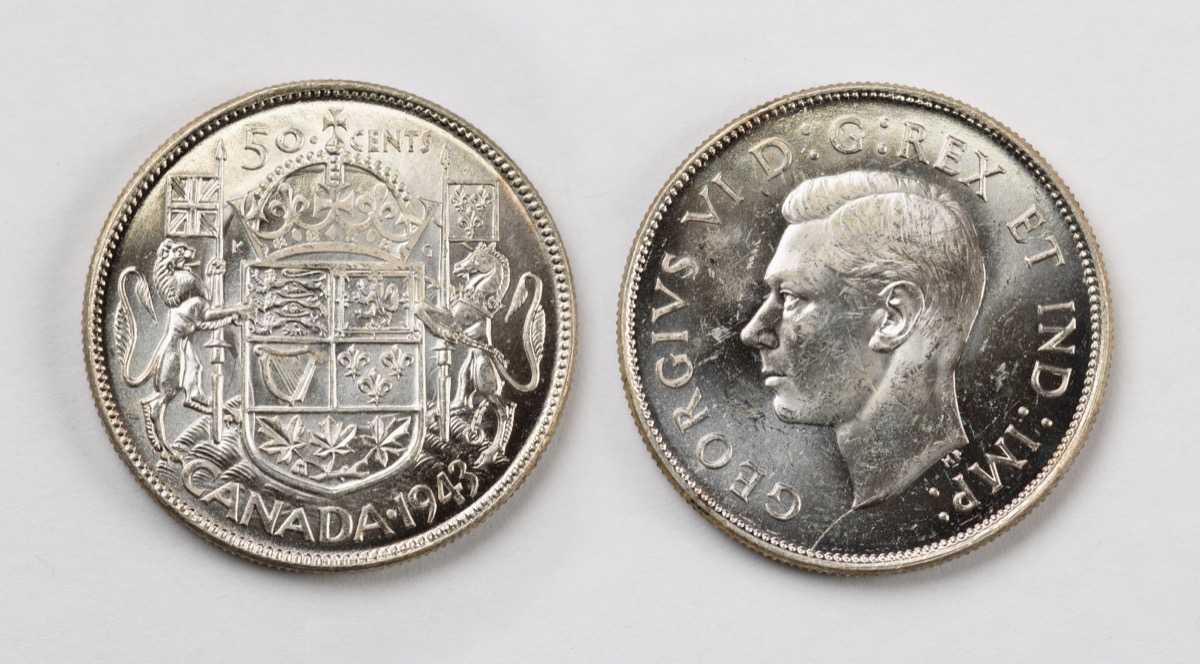
Die Crack
A crack in the die fills with metal during the strike, leaving a thin raised line on the coin.
Real photos where available (credits); others are illustrations.