Kennedy Half Dollar
A left-facing portrait of President John F. Kennedy with LIBERTY around the top and the date below. The Presidential Seal: a heraldic eagle with a shield, surrounded by a ring of 50 stars (Independence Hall appears instead on 1776-1976 Bicentennial coins).
Composition
Key dates to look for
1964 Kennedy Half
$10+ in any condition for the silverThe only 90% silver year — heavily hoarded after Kennedy's assassination
1970-D Kennedy Half
$15 – $40Sold only in Mint sets, never released for circulation
1987-P Kennedy Half
$4 – $8No halves struck for circulation this year — Mint sets only
1987-D Kennedy Half
$4 – $8Mint sets only, same as the 1987-P
1998-S Kennedy Half
$100+Special matte-finish silver proof from the Kennedy Collector's Set, about 62,000 made
Valuable varieties & errors
1964 Accented Hair Proof
scarceThe earliest 1964 proof dies showed extra-deep, heavy strands in Kennedy's hair above his ear. Jacqueline Kennedy reportedly preferred a softer look, so the dies were modified — leaving the first small batch of proofs as a distinct collectible variety.
1966 SMS No FG
scarceOn some 1966 Special Mint Set coins, designer Frank Gasparro's initials 'FG' are missing from the reverse. An over-polished or clogged die wiped the tiny initials away before striking.
1974-D Doubled Die Obverse
scarceA misaligned hubbing at Denver doubled the obverse motto. It is the most famous clad-era Kennedy doubled die and still turns up in bank rolls and old collections.
1982-P No FG
scarceSome 1982 Philadelphia halves are missing Frank Gasparro's 'FG' initials on the reverse, wiped out by over-polished or grease-filled dies. It's an affordable variety a beginner can genuinely find in circulation or bank rolls.
Error types found on this series
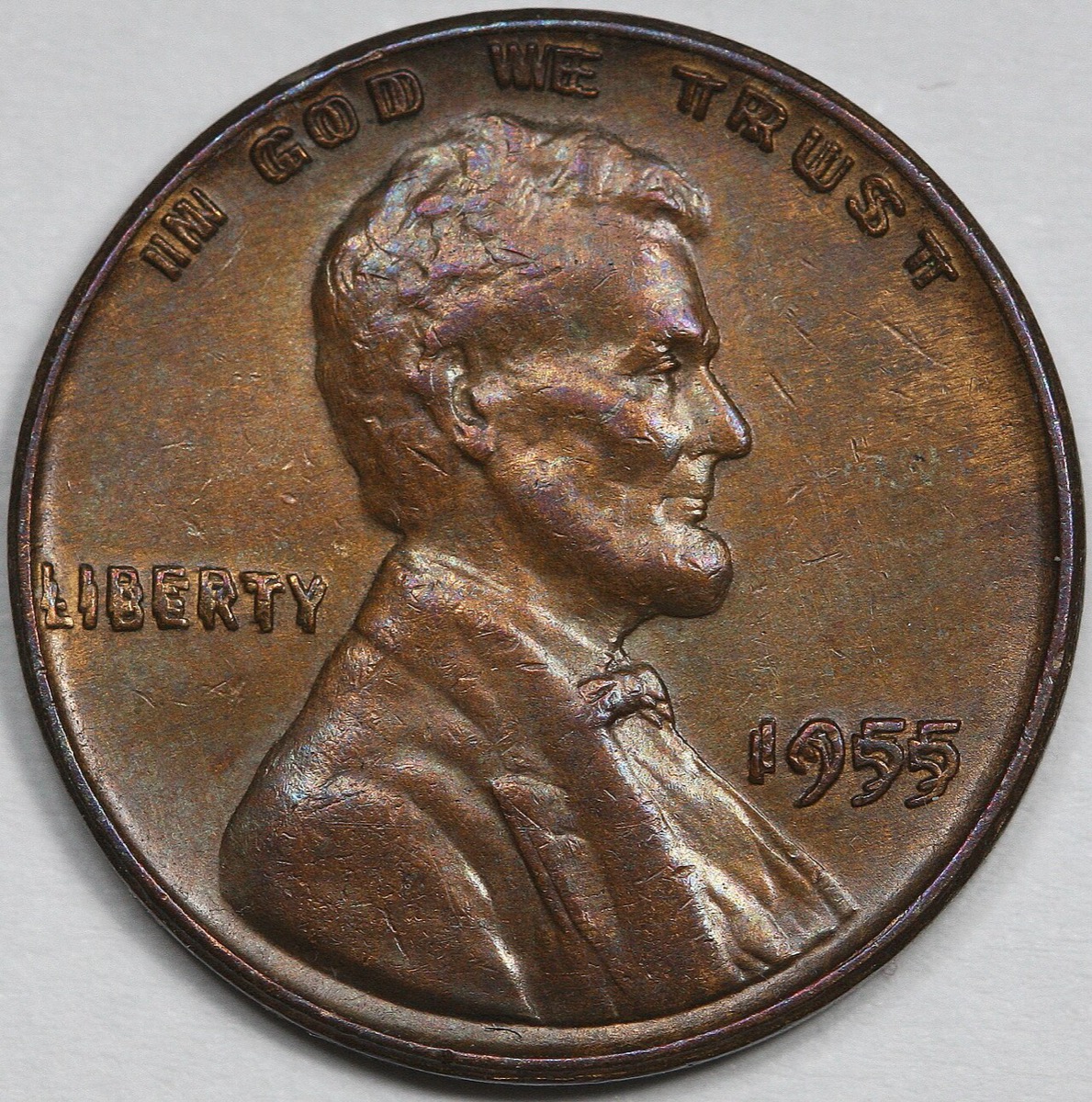
Doubled Die (Obverse)
The front design shows a second, shifted image because the die itself was made doubled.
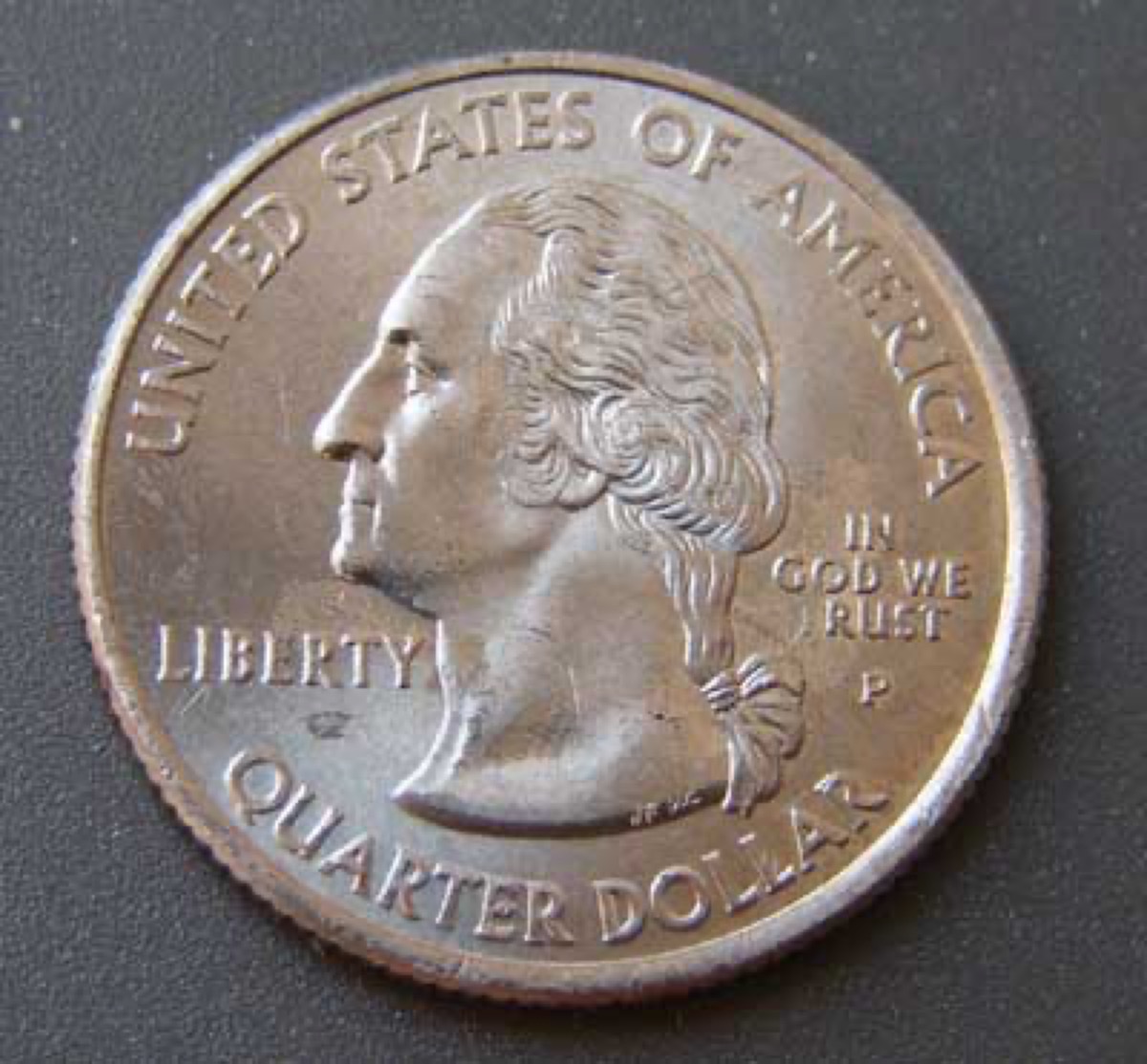
Grease-Filled Die (Struck Through Grease)
Grease and debris packed into the die's recesses blocked part of the design, leaving weak or missing details.
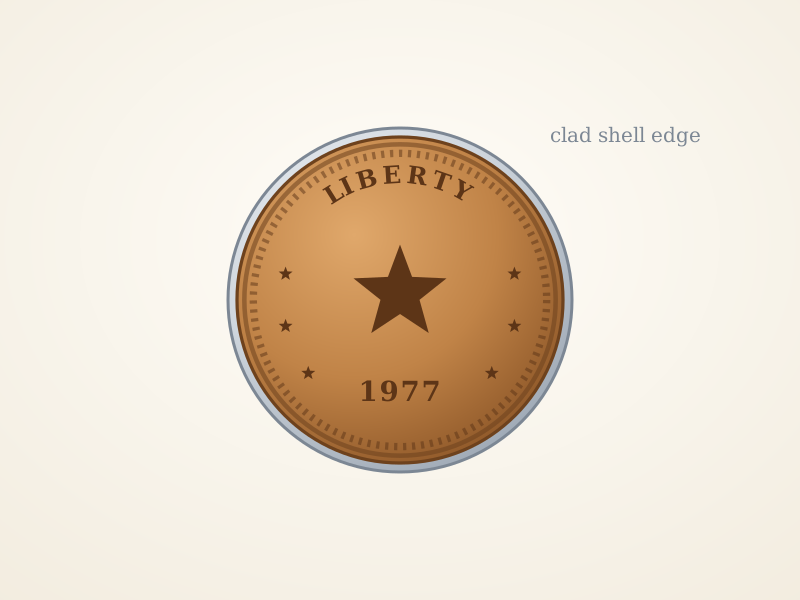
Missing Clad Layer
A dime, quarter, or half is missing its outer silver-colored layer on one side, exposing the copper core.
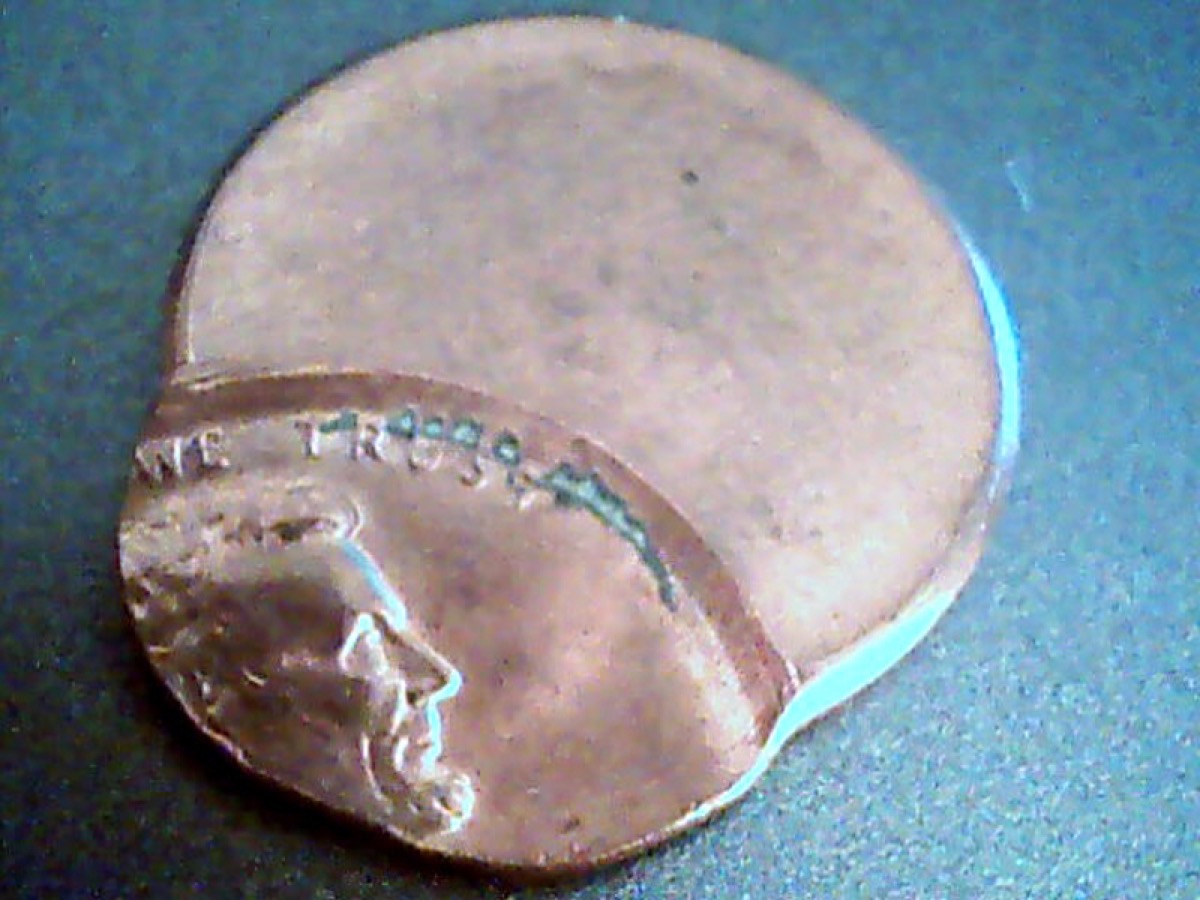
Off-Center Strike
The blank wasn't centered when struck, so part of the design is missing and part of the coin is blank.
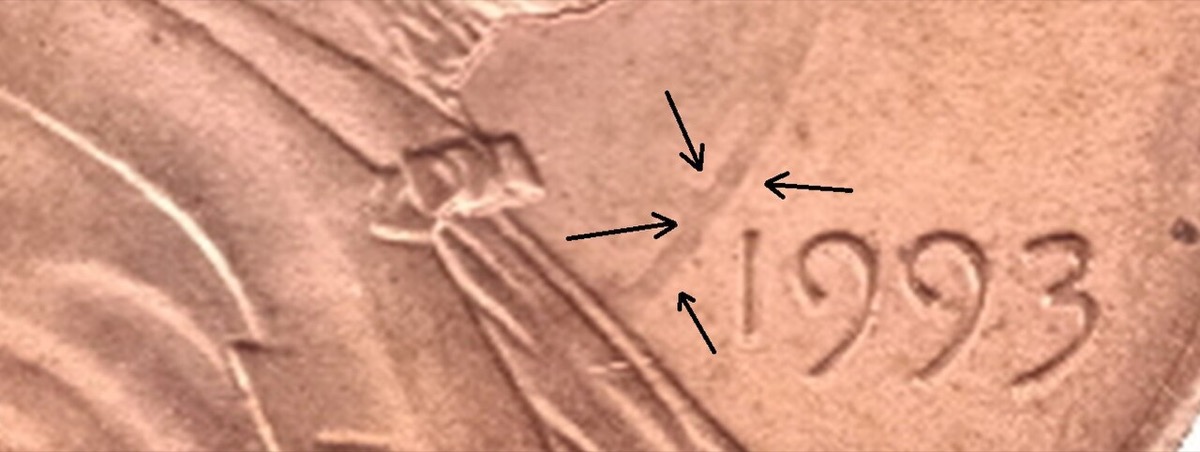
Die Clash
The dies slammed together with no coin between them, imprinting each side's design faintly onto the other.

Machine Doubling
The die bounced or chattered at the moment of striking, smearing a flat shelf-like second edge onto the design.
Real photos where available (credits); others are illustrations.