Morgan Dollar
Liberty's left-facing profile wearing a Phrygian cap with wheat and cotton tucked into her hair. An eagle with spread wings holding arrows and an olive branch, framed by a laurel wreath.
Composition
Key dates to look for
1893-S Morgan
$4,000+ even heavily wornOnly 100,000 struck — the king of the series
1889-CC Morgan
$800+ in Good conditionThe rarest Carson City Morgan
1894 Morgan
$1,000+ in Good conditionJust 110,000 business strikes from Philadelphia
1895 Morgan
$40,000+ for any genuine exampleProof-only year — no confirmed business strikes exist
1903-O Morgan
$350+ in circulated gradesScarce New Orleans date once thought nearly unobtainable
Valuable varieties & errors
1878 8 Tail Feathers (and 7/8 Tail Feathers)
scarceThe very first Morgans showed an eagle with 8 tail feathers. The Mint quickly decided the eagle should have an odd number and re-engraved the dies to show 7 — and some 8-feather dies were re-hubbed with the new design, leaving extra feather tips peeking out (the 7/8 TF variety). All are 1878 Philadelphia coins.
1888-O 'Hot Lips' Doubled Die Obverse
rareA badly misaligned hubbing doubled Liberty's entire profile on this New Orleans die. The doubling on her nose, lips, and chin is so strong she appears to have two mouths — hence the nickname.
1901 Doubled Die Reverse 'Shifted Eagle'
rareA hubbing mishap shifted the reverse design downward between impressions, doubling the eagle. It is one of the most dramatic and valuable doubled dies in the Morgan series, and 1901 is already a tough date in high grade.
1900-O/CC Overmintmark
scarceAfter the Carson City Mint closed, leftover reverse dies with the CC mint mark were shipped to New Orleans and repunched with an O. Traces of the old CC remain visible beneath the O on these coins.
Error types found on this series
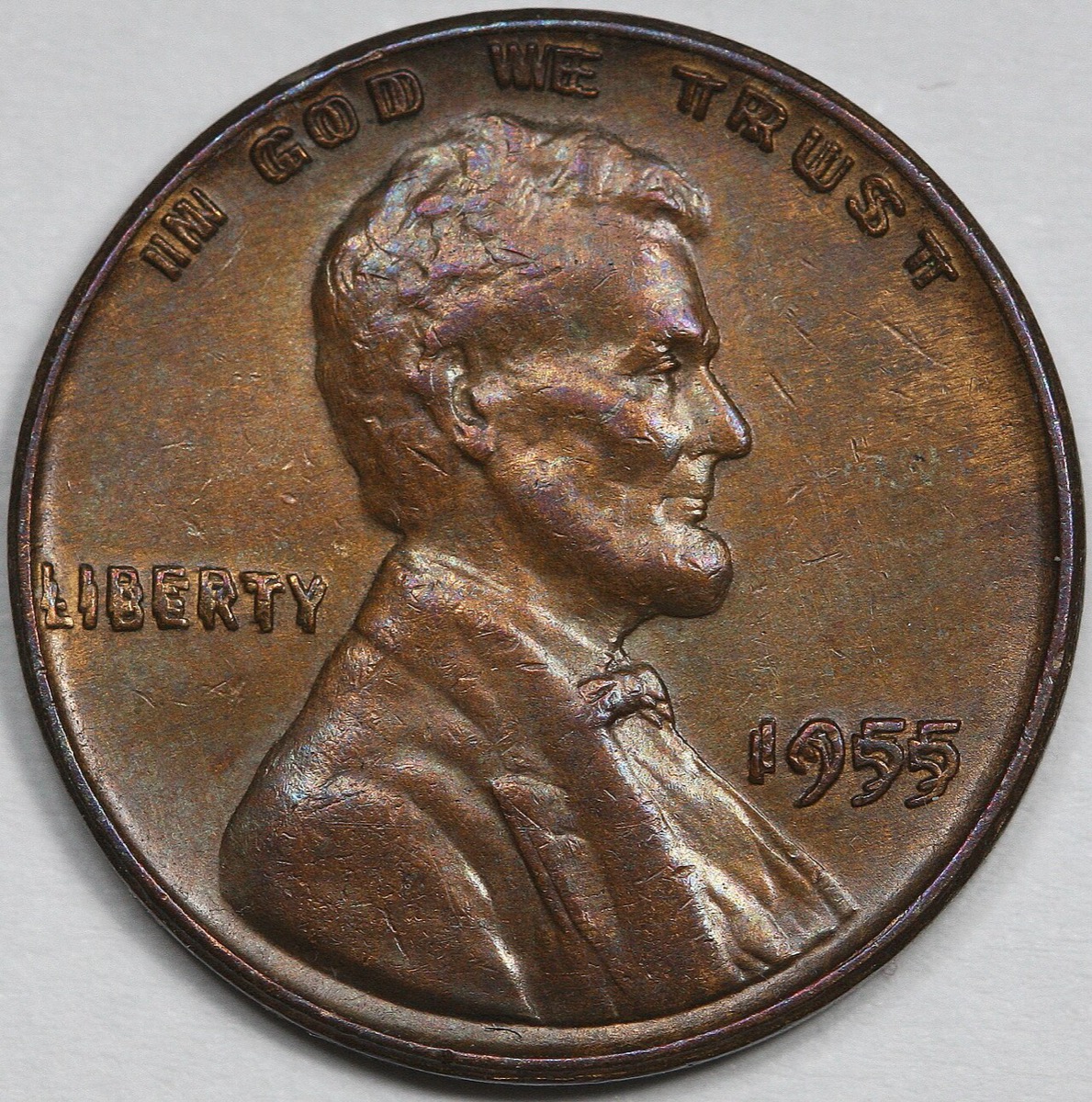
Doubled Die (Obverse)
The front design shows a second, shifted image because the die itself was made doubled.
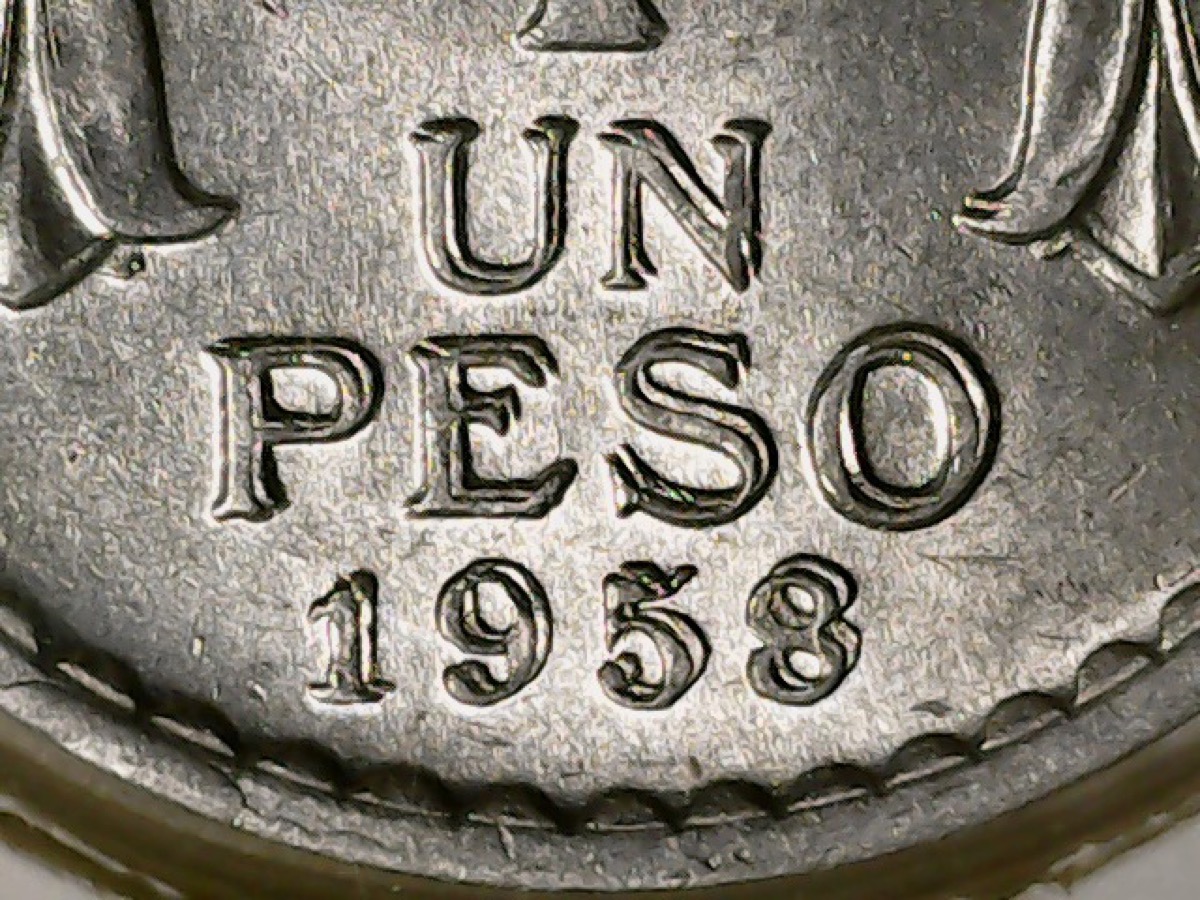
Doubled Die (Reverse)
Same as a doubled die obverse, but the doubling appears on the back of the coin.
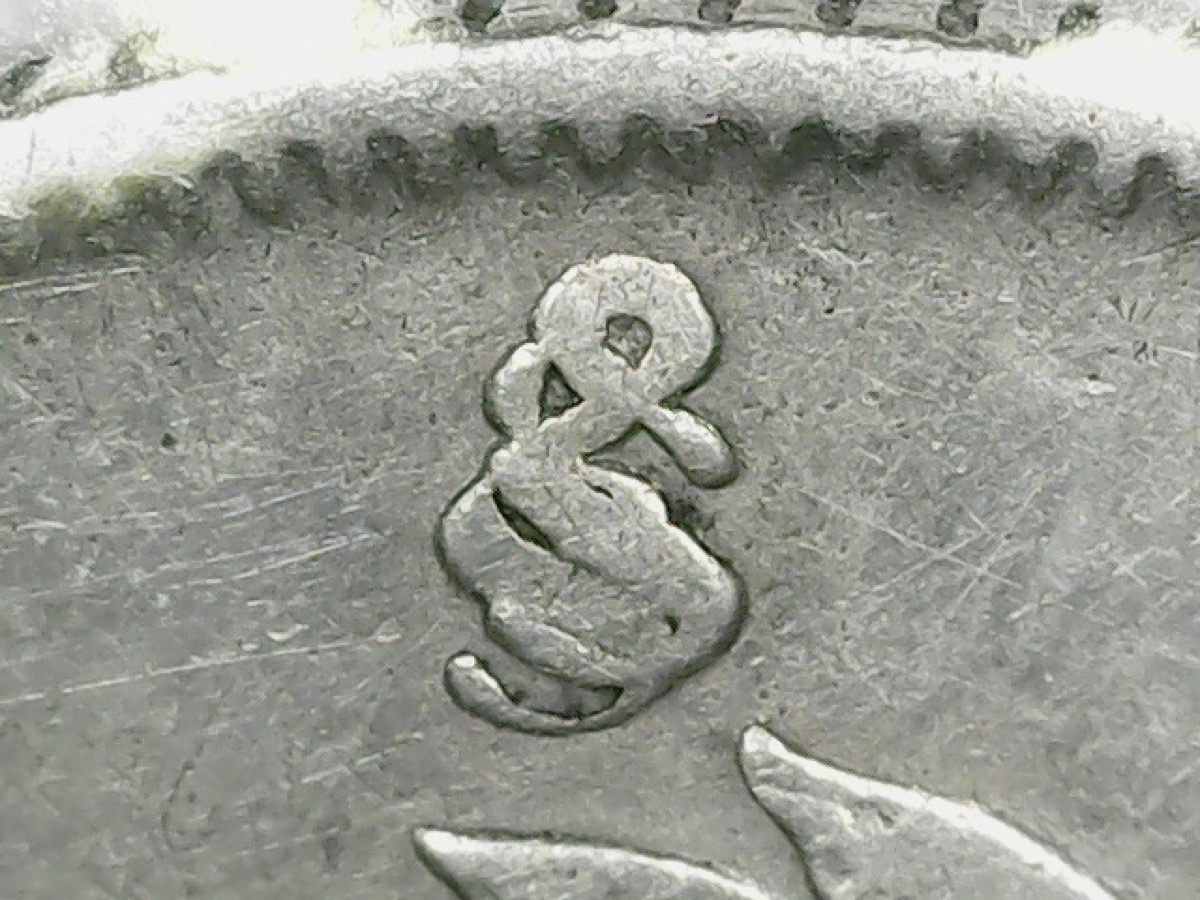
Repunched Mint Mark (RPM)
The mint mark was punched into the die more than once, slightly off position, leaving a doubled letter.
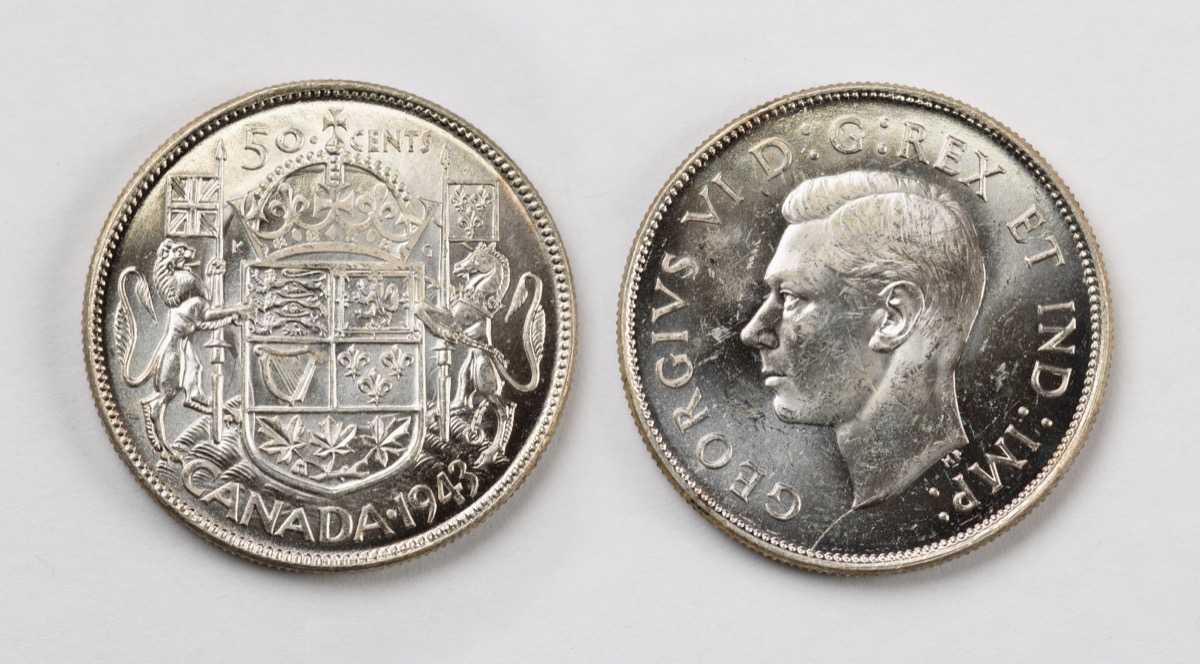
Die Crack
A crack in the die fills with metal during the strike, leaving a thin raised line on the coin.
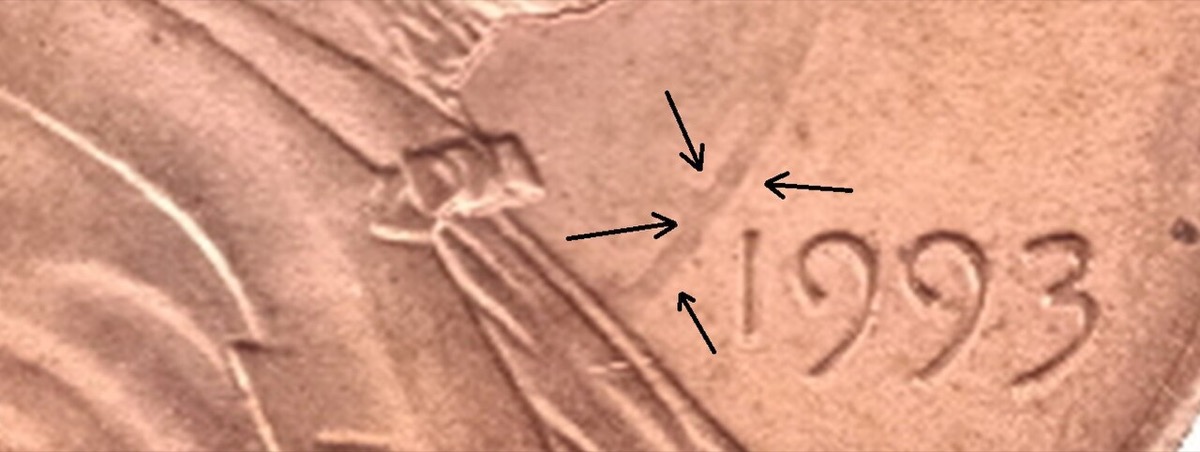
Die Clash
The dies slammed together with no coin between them, imprinting each side's design faintly onto the other.
Real photos where available (credits); others are illustrations.