Shield Nickel
A large ornate shield with a cross on top, flanked by laurel branches, with the date below. A big numeral 5 surrounded by a circle of stars (rays between the stars in 1866 and early 1867 only).
Composition
Key dates to look for
1877 Shield Nickel
$1,500+Struck only as proofs for collectors — no circulation coins
1878 Shield Nickel
$800+Proof-only year like 1877
1879 Shield Nickel
$300+ even well wornVery low mintage of about 29,000 circulation coins
1880 Shield Nickel
$1,500+ for genuine circulation strikesRarest circulation Shield nickel — only about 16,000 struck
1881 Shield Nickel
$200+Low mintage of about 68,800 circulation coins
Valuable varieties & errors
1867 With Rays
scarceThe original design had rays between the stars on the back, but they made the coin hard to strike cleanly, so the Mint removed them early in 1867. That makes 1867 the only year with both types, and the With Rays version is much scarcer.
1873 Closed 3
scarceEarly 1873 coins used a date punch where the 3 looked almost like an 8 because its openings were so tight. The Mint switched to an Open 3 punch partway through the year, creating two collectible versions.
1879/8 Overdate
rareA die originally dated 1878 was re-dated to 1879, leaving traces of the old 8 under the new 9. Most known examples are proofs, since 1879 circulation mintage was tiny.
1883/2 Overdate
rareIn the Shield nickel's final year, leftover dies dated 1882 were re-punched with an 1883 date. Several different die pairs are known, all showing traces of the 2 under the final 3.
Error types found on this series
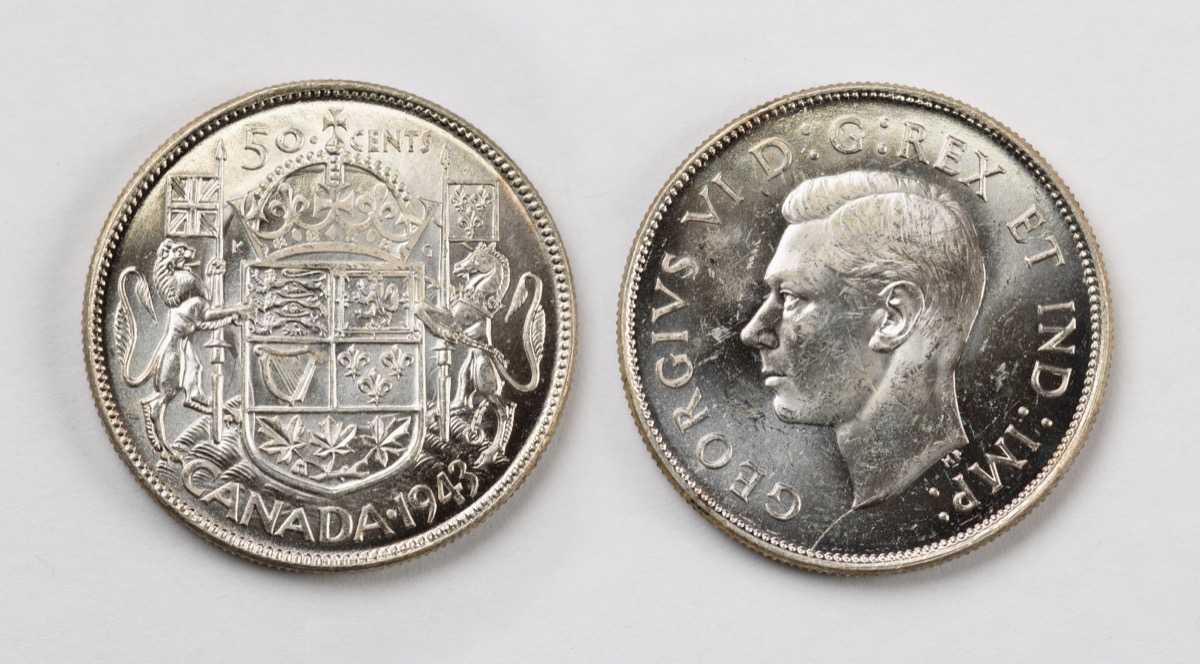
Die Crack
A crack in the die fills with metal during the strike, leaving a thin raised line on the coin.
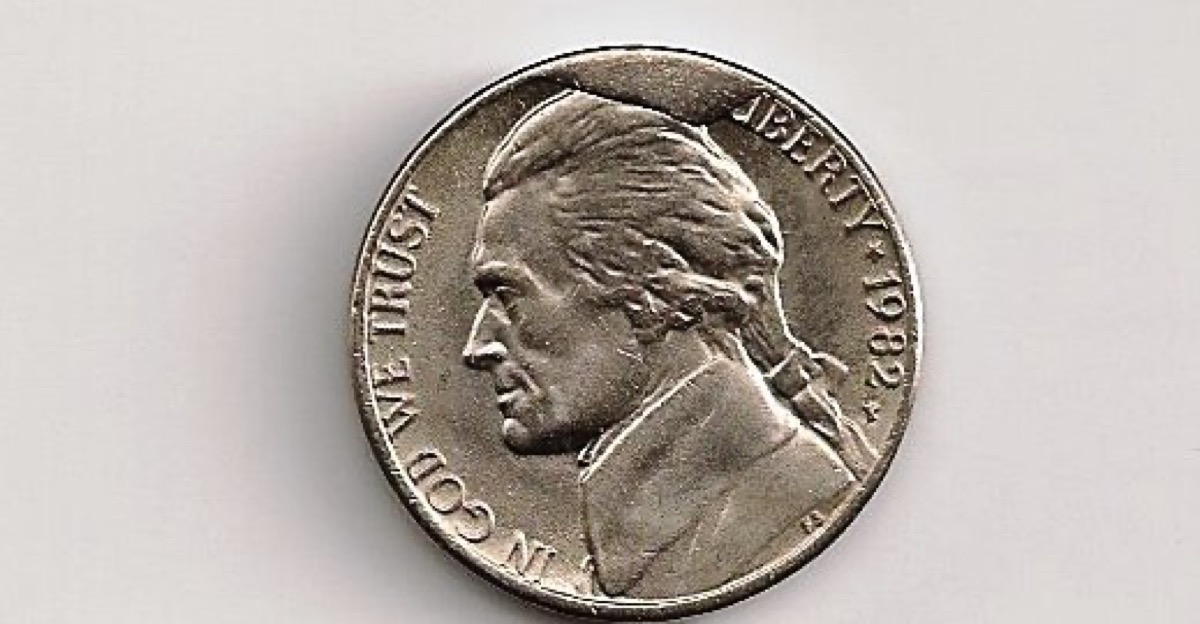
Die Cud
A piece of the die broke off at the rim, leaving a raised featureless blob attached to the coin's edge.
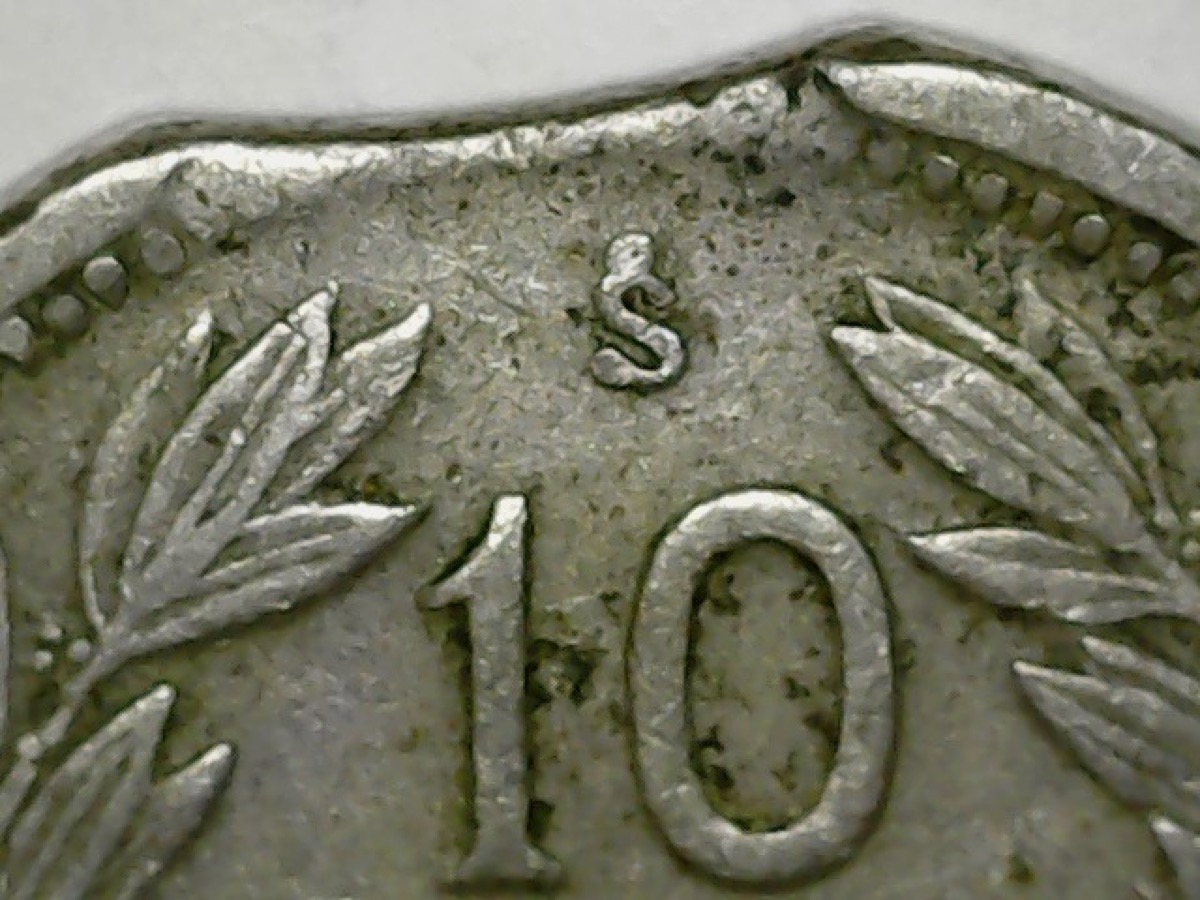
Clipped Planchet
A bite-shaped piece of the coin is missing because the blank was punched from an already-punched part of the metal strip.
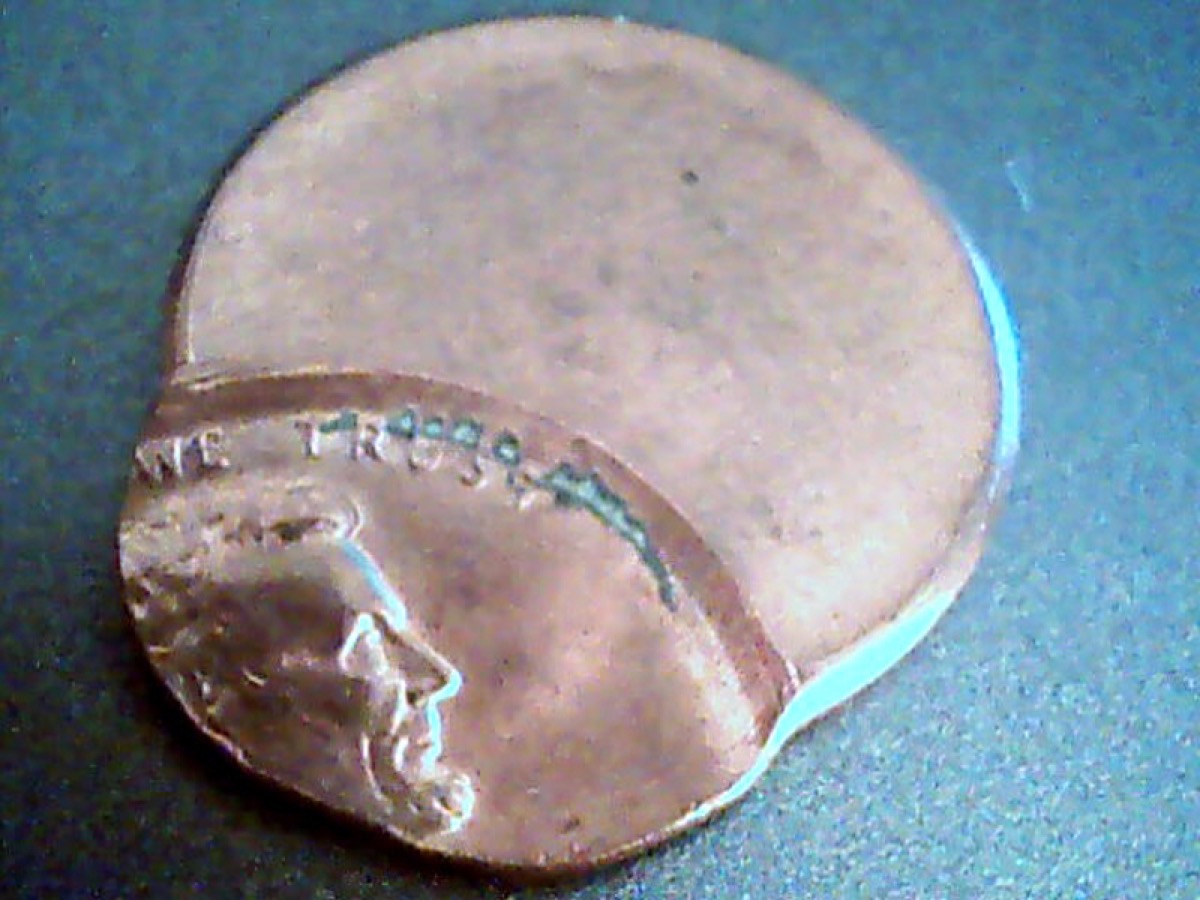
Off-Center Strike
The blank wasn't centered when struck, so part of the design is missing and part of the coin is blank.
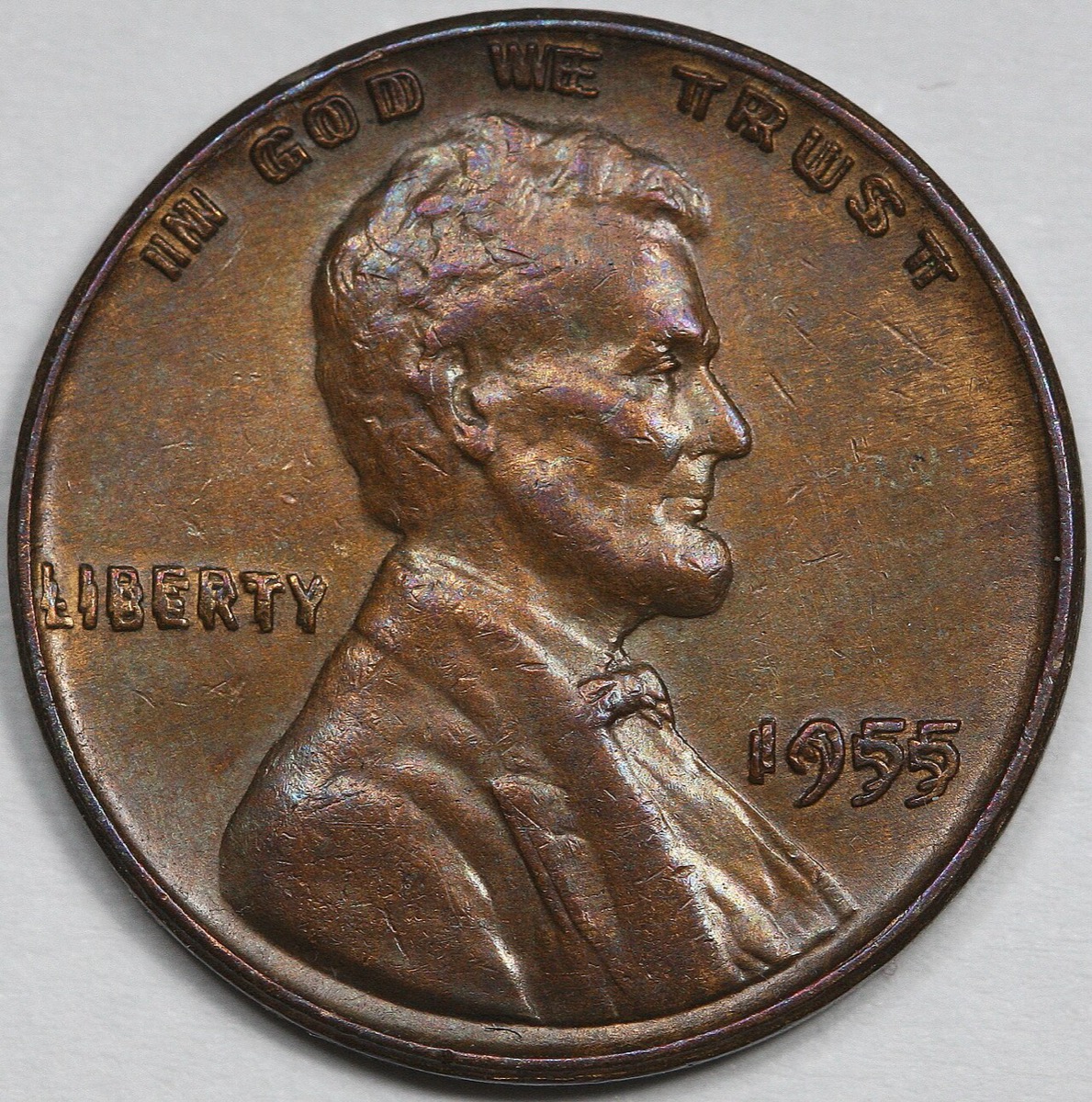
Doubled Die (Obverse)
The front design shows a second, shifted image because the die itself was made doubled.
Real photos where available (credits); others are illustrations.