Lincoln Memorial Cent
Abraham Lincoln's portrait facing right with IN GOD WE TRUST above, LIBERTY to the left, and the date to the right. The Lincoln Memorial building with a tiny statue of Lincoln visible between the center columns, ONE CENT below and E PLURIBUS UNUM above.
Composition
Key dates to look for
1960 Memorial Cent
$1 – $5 circulated, more in high gradeComes with a Small Date (rarer) or Large Date — on the Small Date the tops of the 1, 9, and 6 line up evenly
1970-S Memorial Cent
$30 – $100The 'Small Date' (also called Level 7, where the 7 lines up with the 0s and LIBERTY looks weak) is the scarce one
1982 Memorial Cent
Face value to a few dollars, but see the 1982-D Small Date copper rarityTransition year struck in both copper and zinc with large and small dates — seven common combinations exist
Valuable varieties & errors
1969-S Doubled Die Obverse
extremeA dramatic doubled die so convincing that the Secret Service initially confiscated examples as counterfeits. Fewer than a hundred are known, making it the most valuable Memorial cent.
1972 Doubled Die Obverse (Die 1)
rareA strong Philadelphia doubled die with roughly 75,000 to 250,000 struck, enough that patient roll searchers still find them. Several weaker 1972 doubled dies exist, but Die 1 is the valuable one.
1982-D Small Date Copper
extremeDenver was only supposed to strike its Small Date cents on zinc, but at least two were struck on leftover copper planchets. It is the modern transitional rarity every 1982 hoarder dreams of.
1983 Doubled Die Reverse
scarceOne of the strongest doubled dies ever on the back of a cent, created just after the switch to zinc. Thousands exist, so it is genuinely findable in old rolls.
1984 Doubled Ear
scarceA doubled die that shows almost entirely on Lincoln's portrait rather than the lettering. Collectors nicknamed it the 'doubled ear' because the extra earlobe is the giveaway.
1992 Close AM
extremeIn 1992 a reverse die intended for 1993-style coins (where the A and M of AMERICA nearly touch) was accidentally used a year early, at both Philadelphia and Denver. Only about 20 examples of the two are known combined.
1995 Doubled Die Obverse
scarceA popular, affordable doubled die that made national news when it was discovered, sending everyone digging through pocket change. Tens of thousands exist, making it the perfect first doubled die for a beginner.
1998 Wide AM
scarceThe opposite mix-up of the 1992 Close AM: a proof-style reverse die (with a clear gap between the A and M of AMERICA) was used on regular Philadelphia cents. It happened in 1998, 1999, and 2000.
1999 Wide AM
rareThe scarcest of the three Wide AM years — far fewer 1999s have turned up than 1998s or 2000s. It is a genuine find still pulled from circulation.
2000 Wide AM
scarceThe most common Wide AM year, with enough made that roll searchers find them regularly. It is many collectors' first 'real variety' find.
Error types found on this series
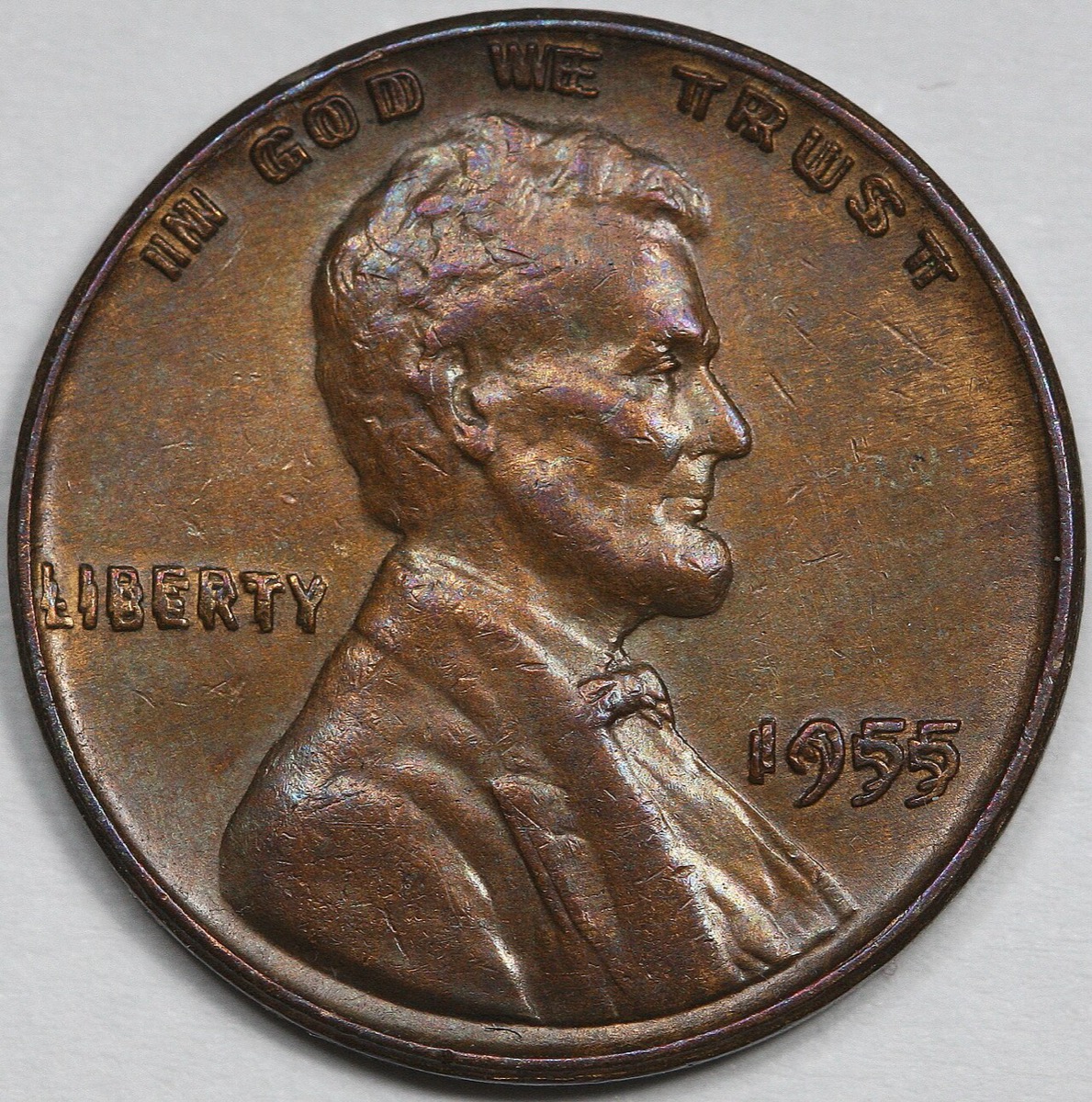
Doubled Die (Obverse)
The front design shows a second, shifted image because the die itself was made doubled.
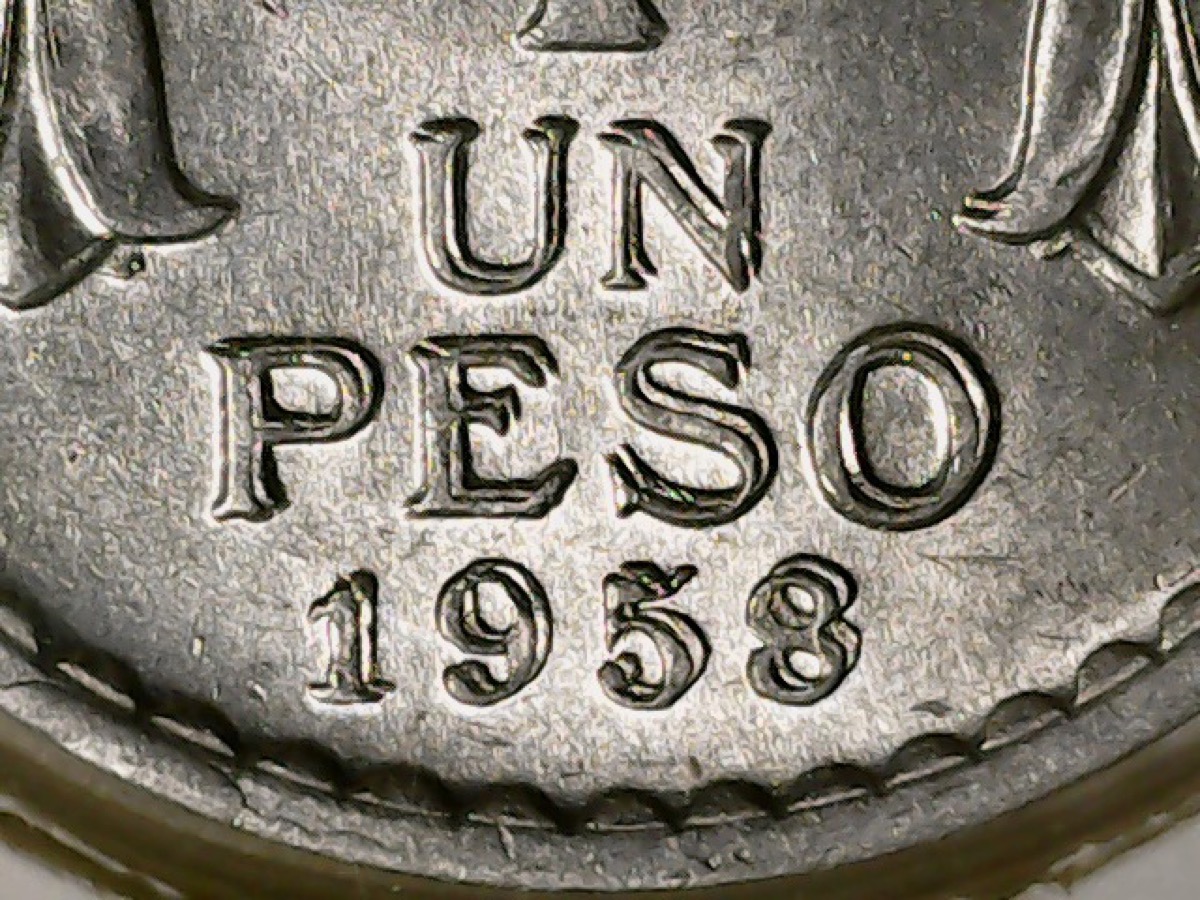
Doubled Die (Reverse)
Same as a doubled die obverse, but the doubling appears on the back of the coin.
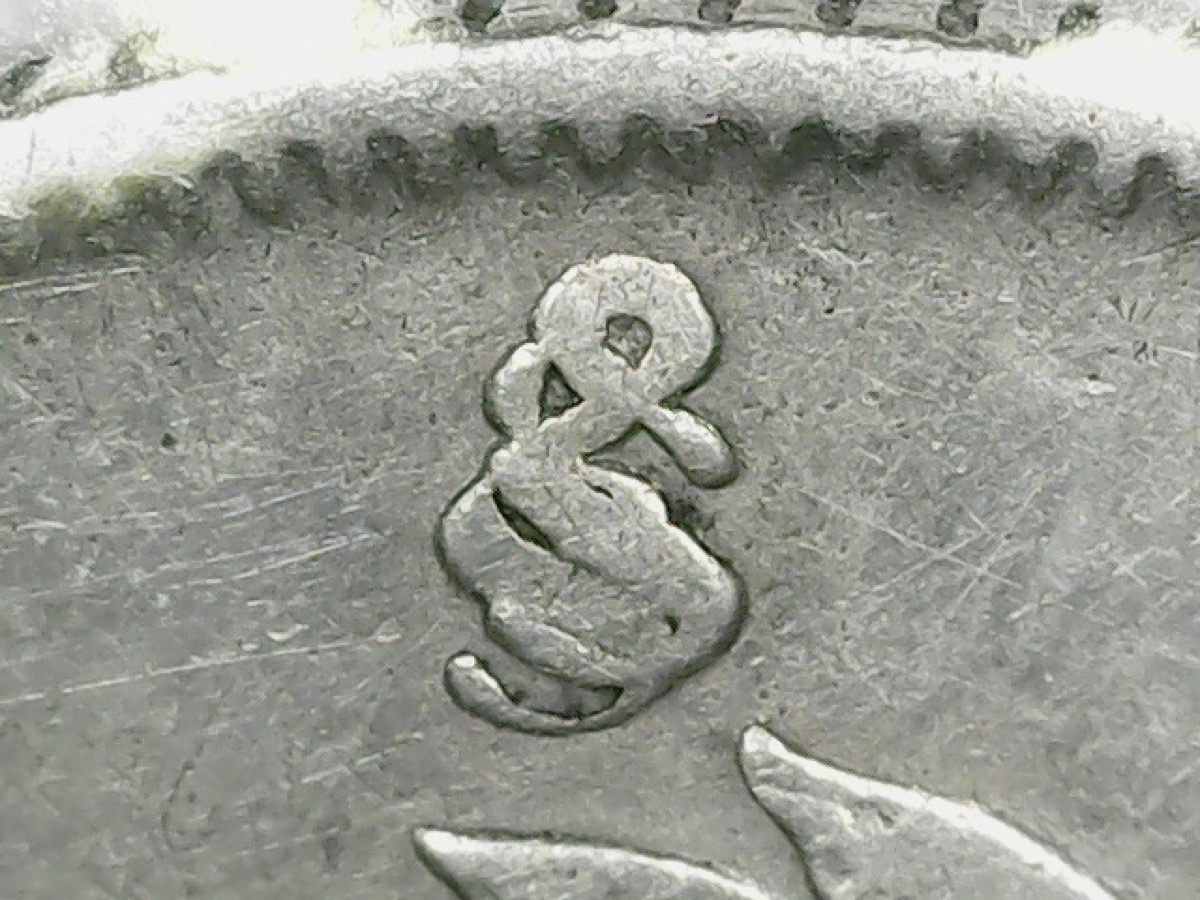
Repunched Mint Mark (RPM)
The mint mark was punched into the die more than once, slightly off position, leaving a doubled letter.
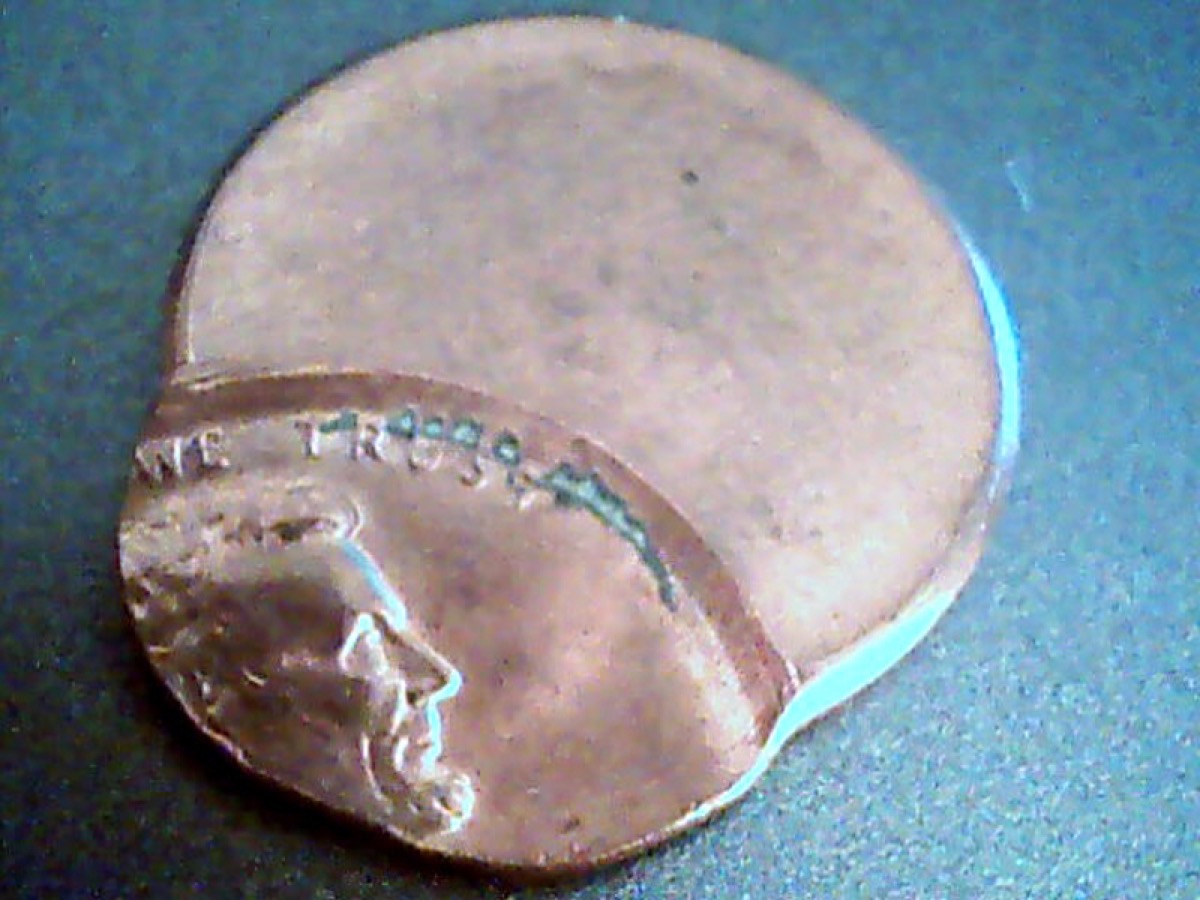
Off-Center Strike
The blank wasn't centered when struck, so part of the design is missing and part of the coin is blank.
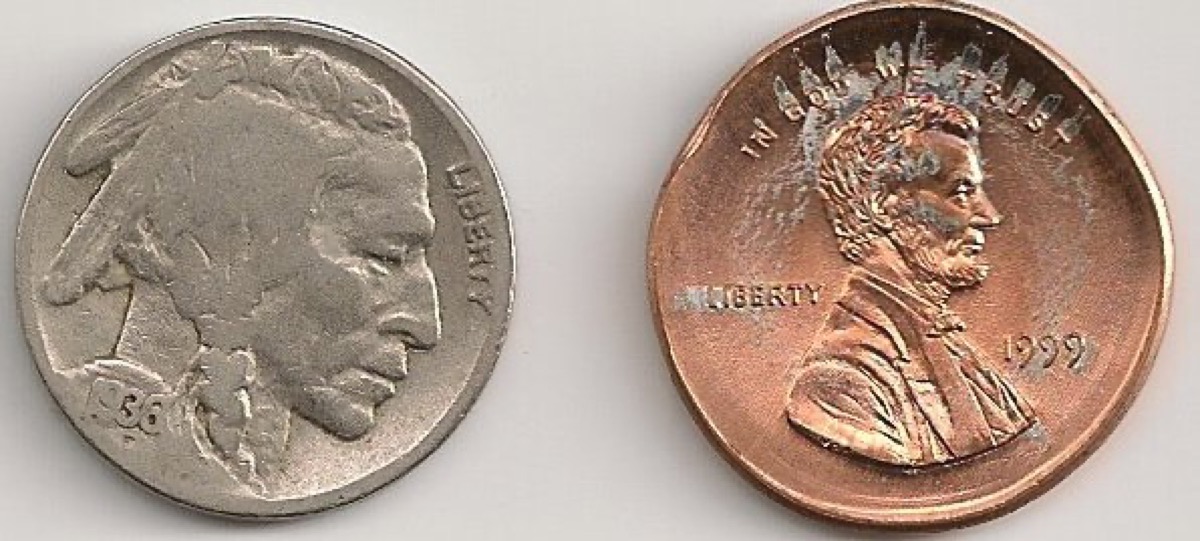
Broadstrike
The coin was struck without its retaining collar, so it spread out wider and thinner than normal.
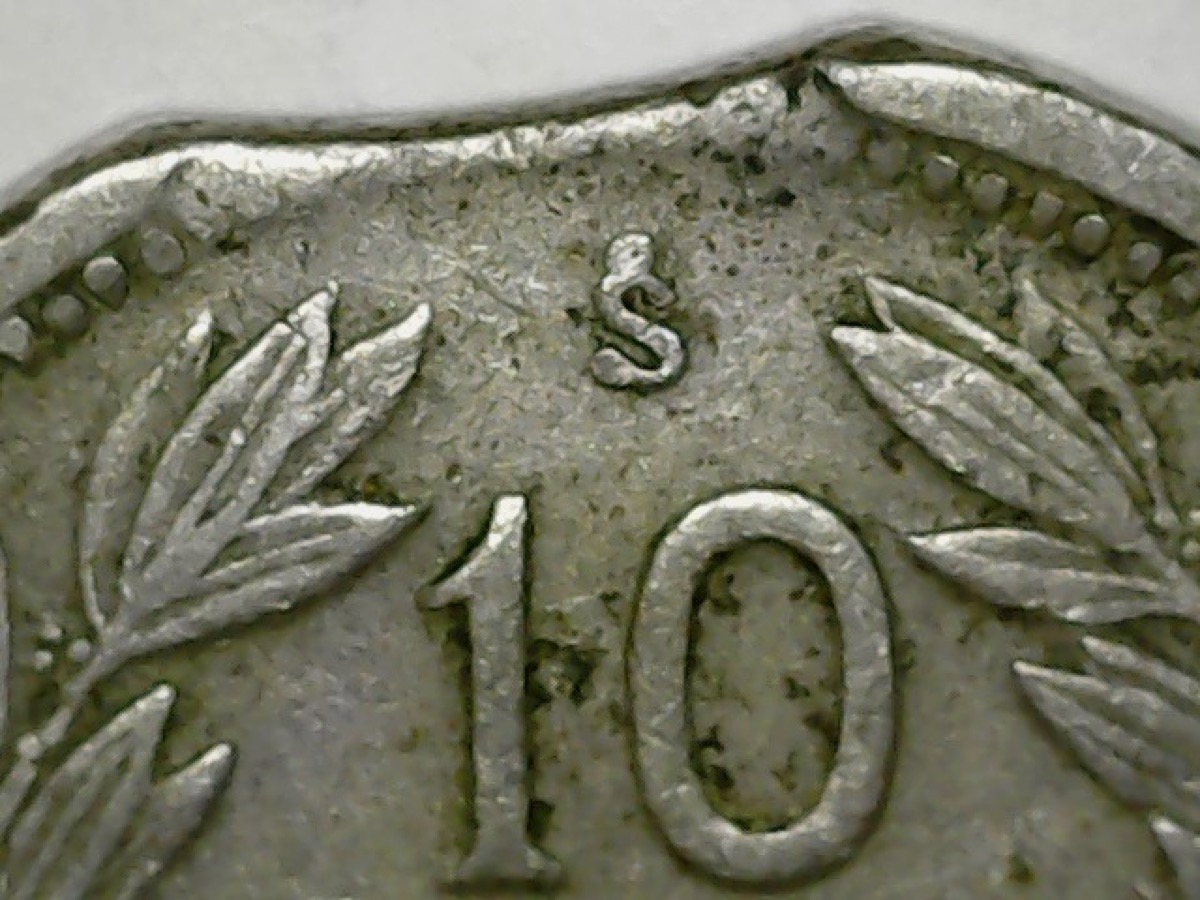
Clipped Planchet
A bite-shaped piece of the coin is missing because the blank was punched from an already-punched part of the metal strip.
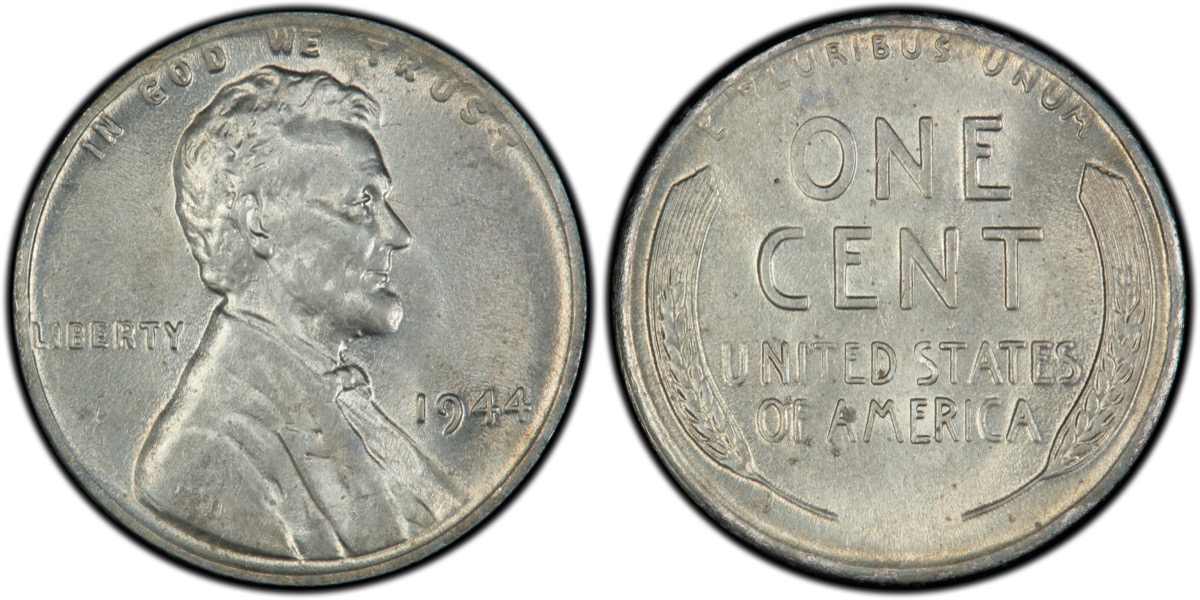
Wrong Planchet
A coin struck on a blank intended for a different denomination or country — like a quarter design on a nickel blank.
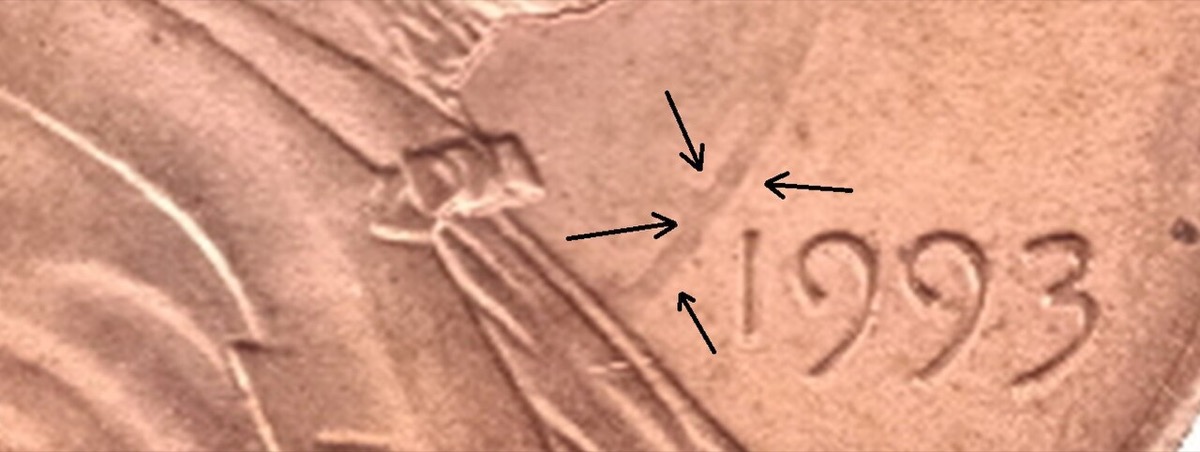
Die Clash
The dies slammed together with no coin between them, imprinting each side's design faintly onto the other.
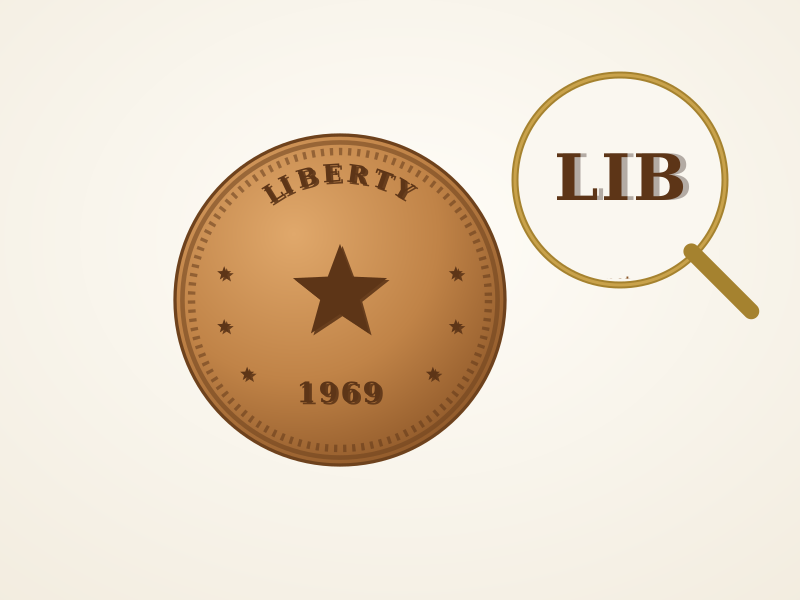
Machine Doubling
The die bounced or chattered at the moment of striking, smearing a flat shelf-like second edge onto the design.
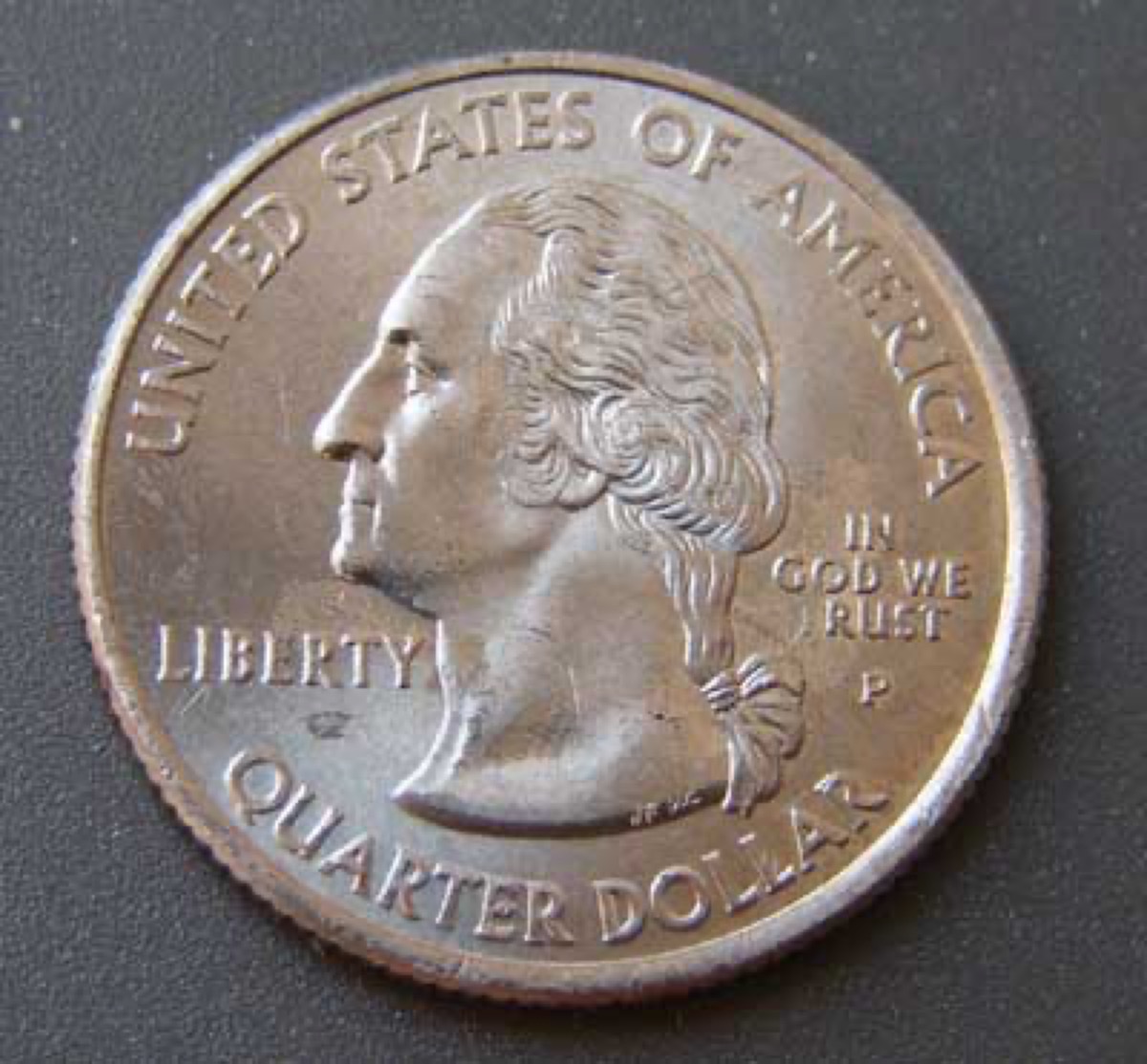
Grease-Filled Die (Struck Through Grease)
Grease and debris packed into the die's recesses blocked part of the design, leaving weak or missing details.
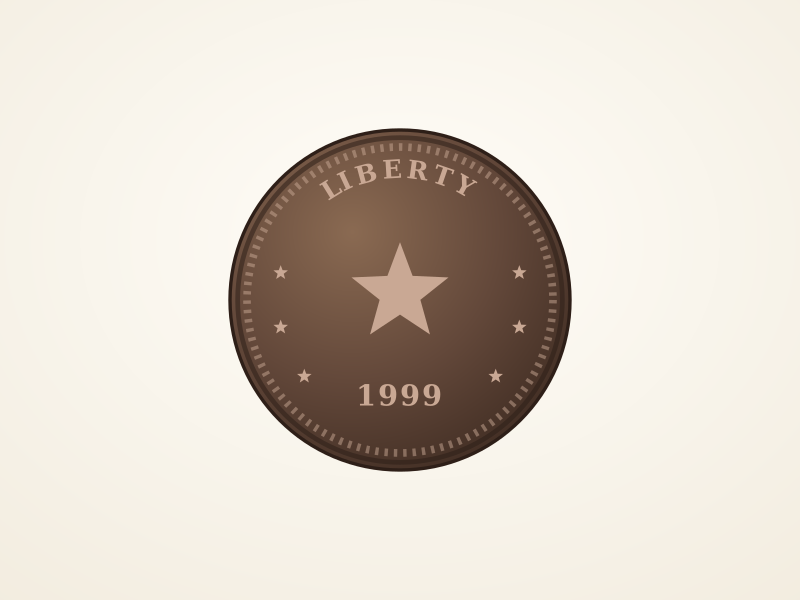
Improperly Annealed Planchet
A heat-treatment mistake turned the blank's surface an unusual color — most famously the coppery-red 'sintered' state quarters and dollars.
Real photos where available (credits); others are illustrations.