Lincoln Wheat Cent
Abraham Lincoln's portrait facing right, with IN GOD WE TRUST above, LIBERTY to the left, and the date to the right. Two wheat stalks framing the words ONE CENT and UNITED STATES OF AMERICA, with E PLURIBUS UNUM across the top.
Composition
Key dates to look for
1909-S Wheat Cent
$80 – $350 in circulated gradesLow-mintage first-year San Francisco issue (without VDB initials)
1931-S Wheat Cent
$60 – $150 in circulated gradesDepression-era date with under a million struck — many were saved, so nice ones exist
1924-D Wheat Cent
$30 – $200 in circulated gradesSemi-key Denver date that is tough in any grade
1926-S Wheat Cent
$10 – $150+ depending on wearCheap when worn but very hard to find in high grade
1922-D Wheat Cent
$15 – $100 with a clear DOnly Denver struck cents in 1922 — and check for the famous 'No D' version
Valuable varieties & errors
1909-S VDB
rareThe most famous U.S. cent: only 484,000 were struck in San Francisco before the designer's initials were removed from the design. It combines the scarce S mint mark with the short-lived VDB initials.
1914-D
rareA low-mintage Denver date that nobody saved at the time, so most surviving examples are heavily worn. It is the most valuable regular-issue wheat cent after the 1909-S VDB.
1917 Doubled Die Obverse
rareA strong early doubled die on the front of the coin, recognized by PCGS and NGC. It is scarce because few people searched for it before the 1970s.
1922 No D (Strong Reverse)
extremeIn 1922 only Denver made cents, but one overworked, grease-clogged die pair struck coins with no visible D at all. Since every 1922 cent should have a D, the ones without it became famous overnight.
1943 Bronze Cent
extremeIn 1943 cents were supposed to be steel, but a few leftover bronze blanks from 1942 were struck by mistake at all three mints. Only about two dozen exist, making this the most famous error coin in America.
1944 Steel Cent
extremeThe reverse mistake of the 1943 bronze cent: in 1944 the Mint switched back to brass, but a few leftover steel blanks got struck. Roughly 30 to 40 are known across the three mints.
1955 Doubled Die Obverse
extremeThe most famous doubled die ever made: a misaligned die impression doubled the entire front of the coin, and about 20,000 to 24,000 escaped into circulation, many handed out in cigarette-machine change in the Northeast.
1958 Doubled Die Obverse
extremeThe rarest Lincoln doubled die: only three examples are confirmed to exist, and one sold for over a million dollars in 2023. How it left the Mint remains a mystery.
Error types found on this series
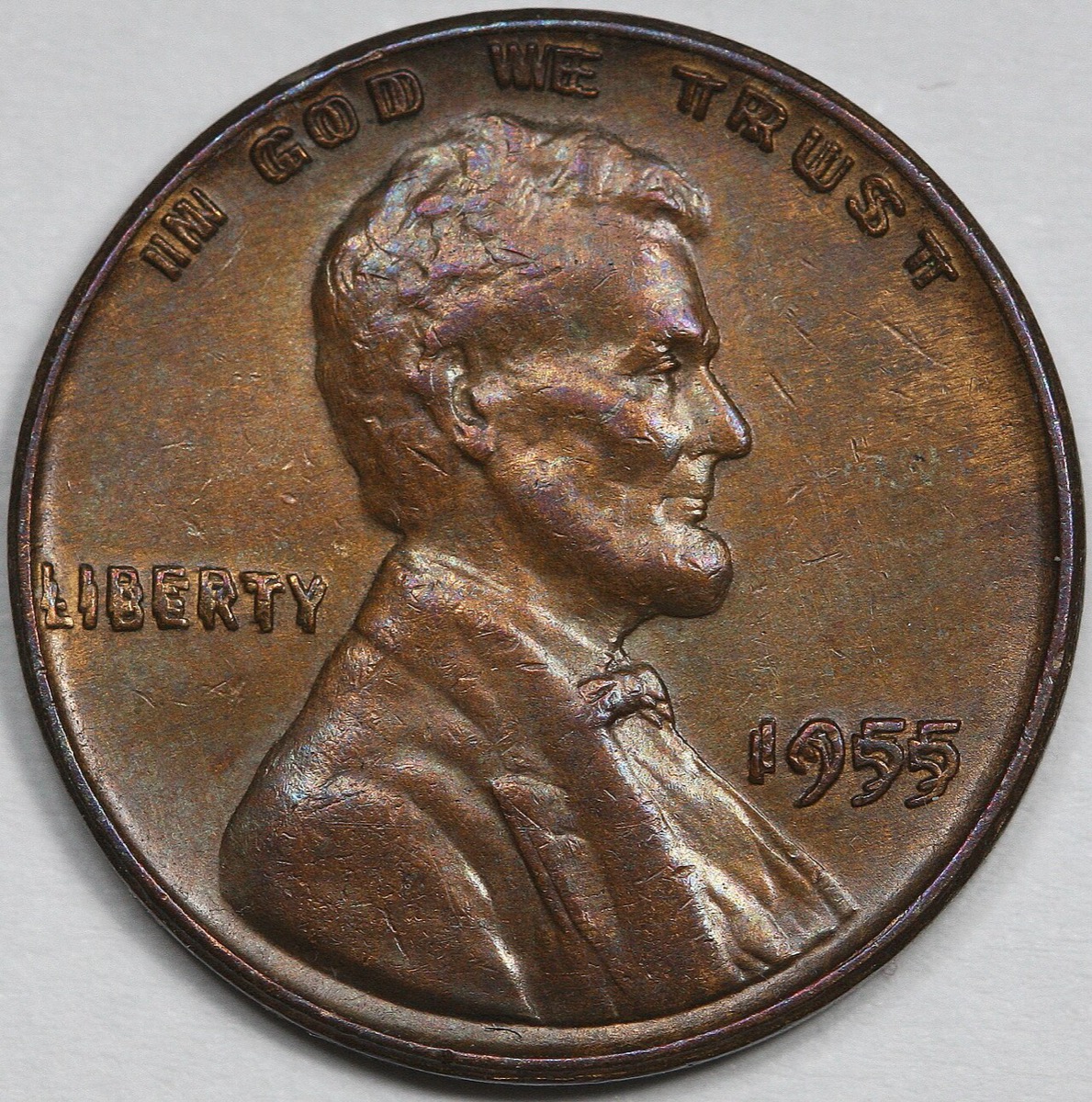
Doubled Die (Obverse)
The front design shows a second, shifted image because the die itself was made doubled.
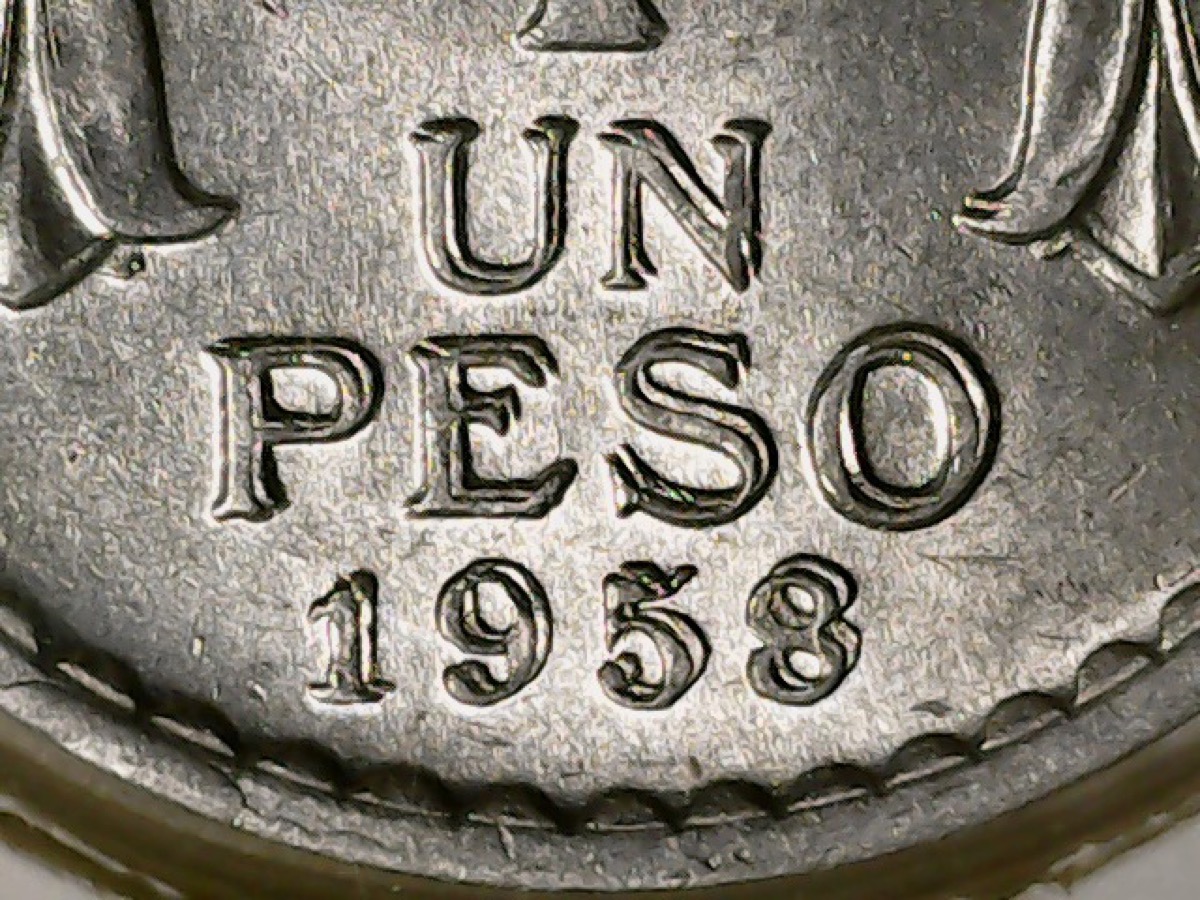
Doubled Die (Reverse)
Same as a doubled die obverse, but the doubling appears on the back of the coin.
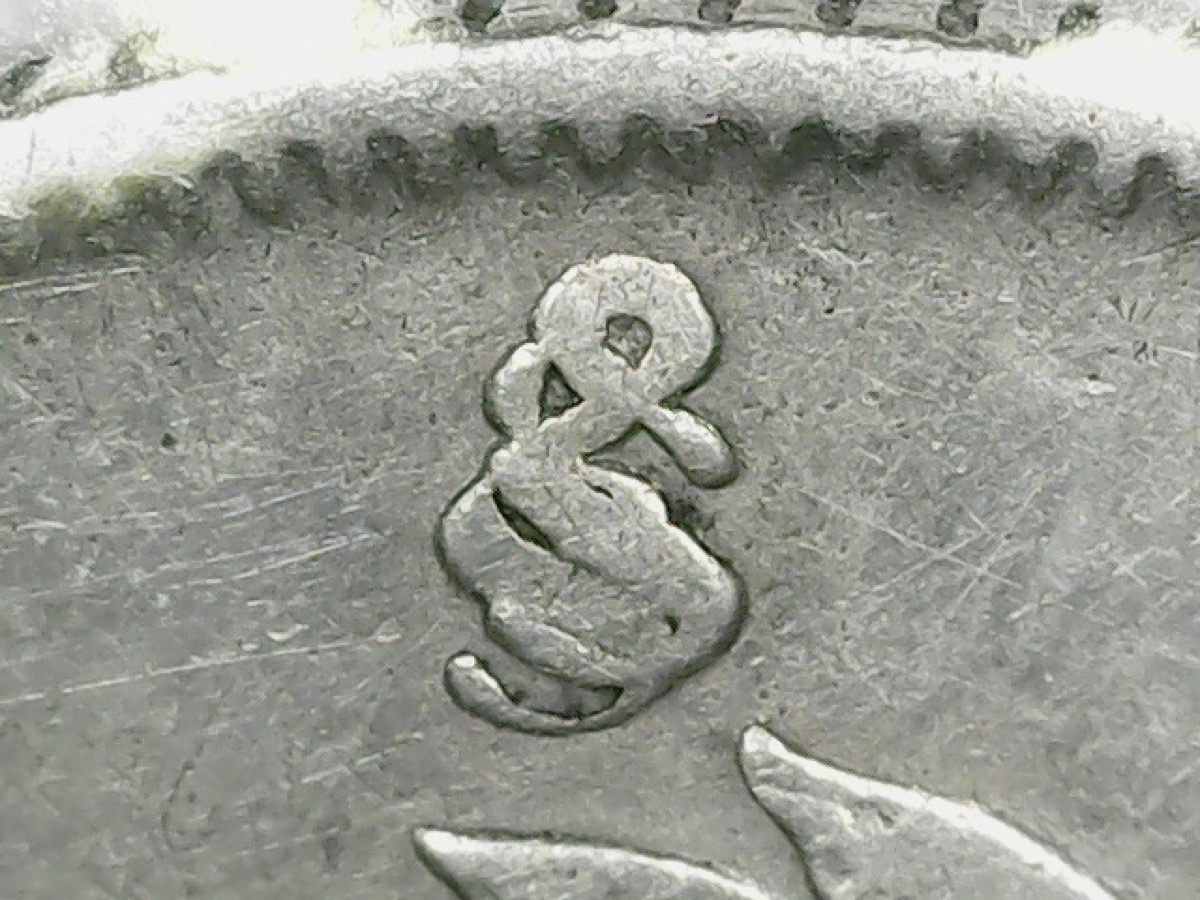
Repunched Mint Mark (RPM)
The mint mark was punched into the die more than once, slightly off position, leaving a doubled letter.
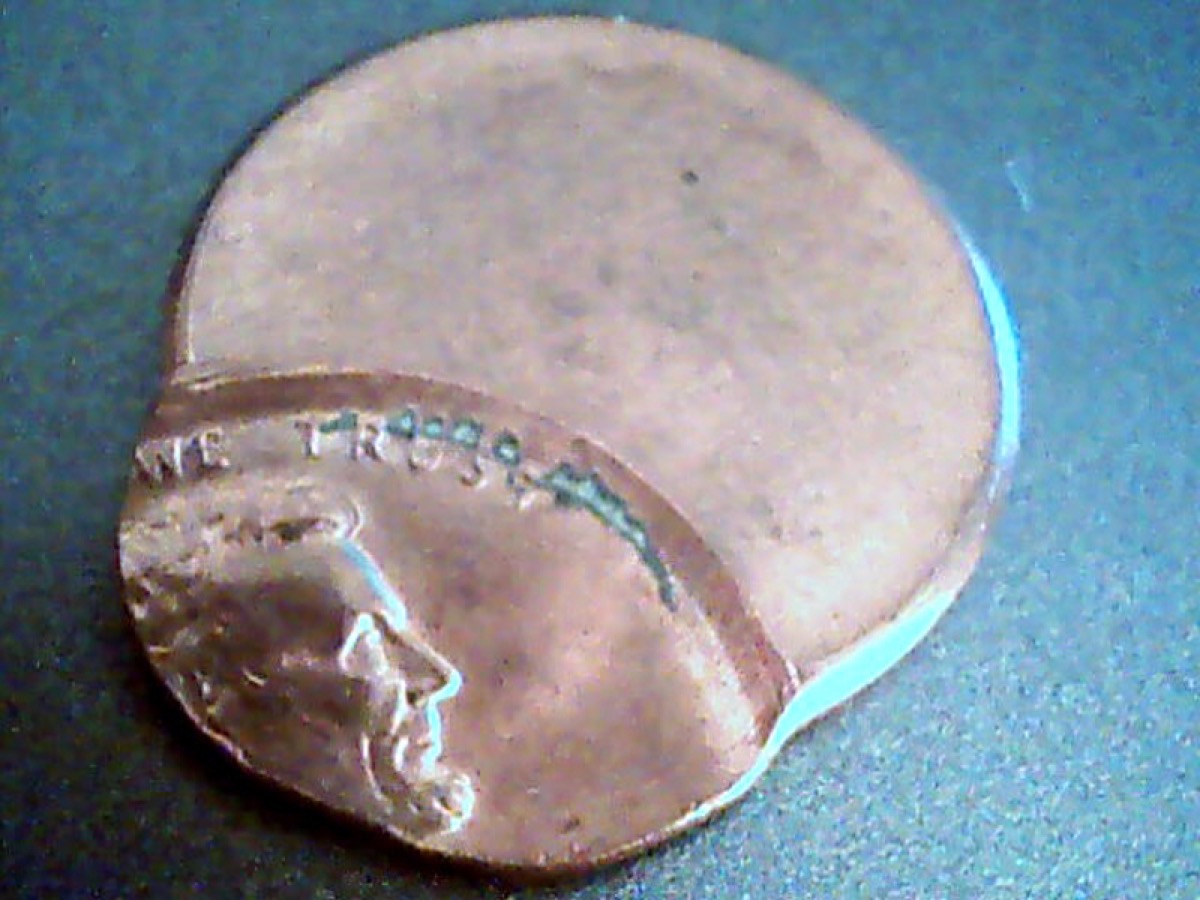
Off-Center Strike
The blank wasn't centered when struck, so part of the design is missing and part of the coin is blank.
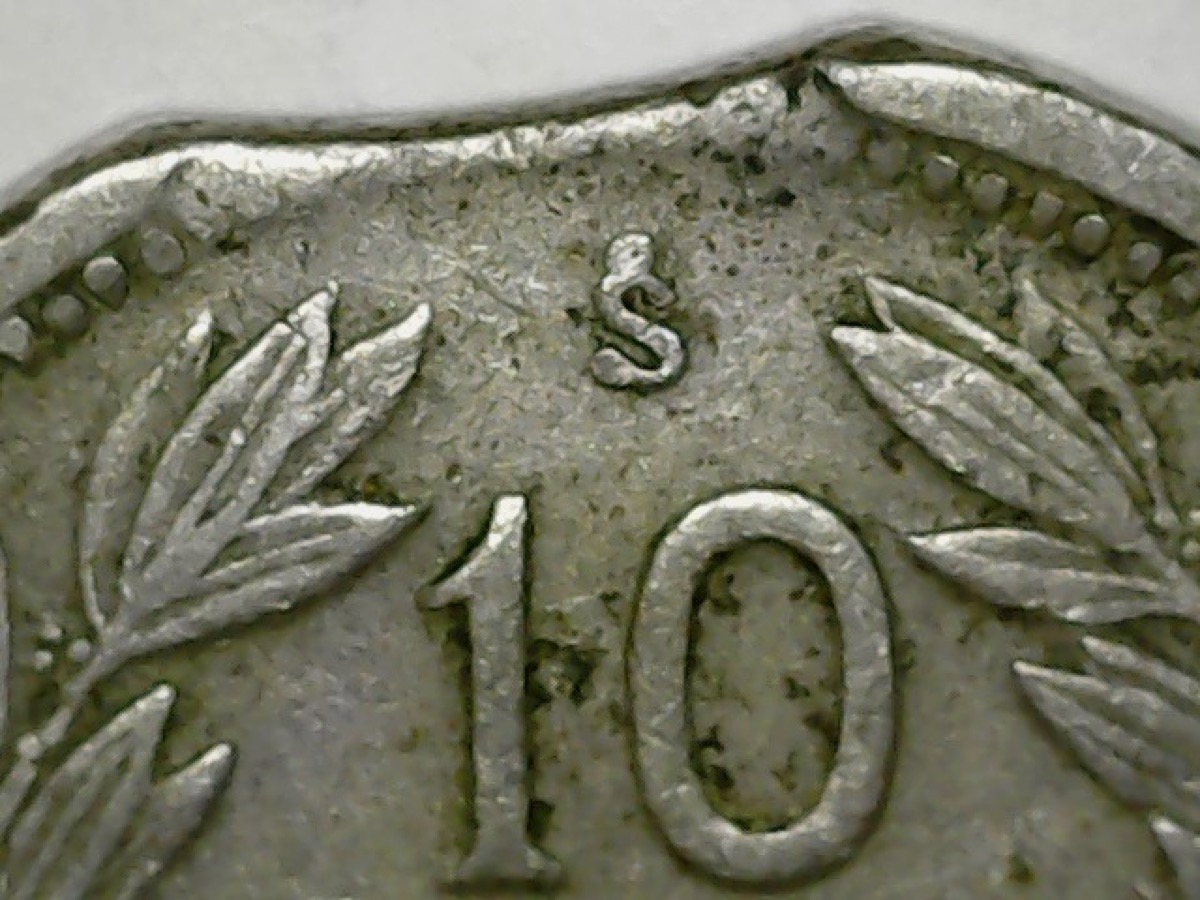
Clipped Planchet
A bite-shaped piece of the coin is missing because the blank was punched from an already-punched part of the metal strip.
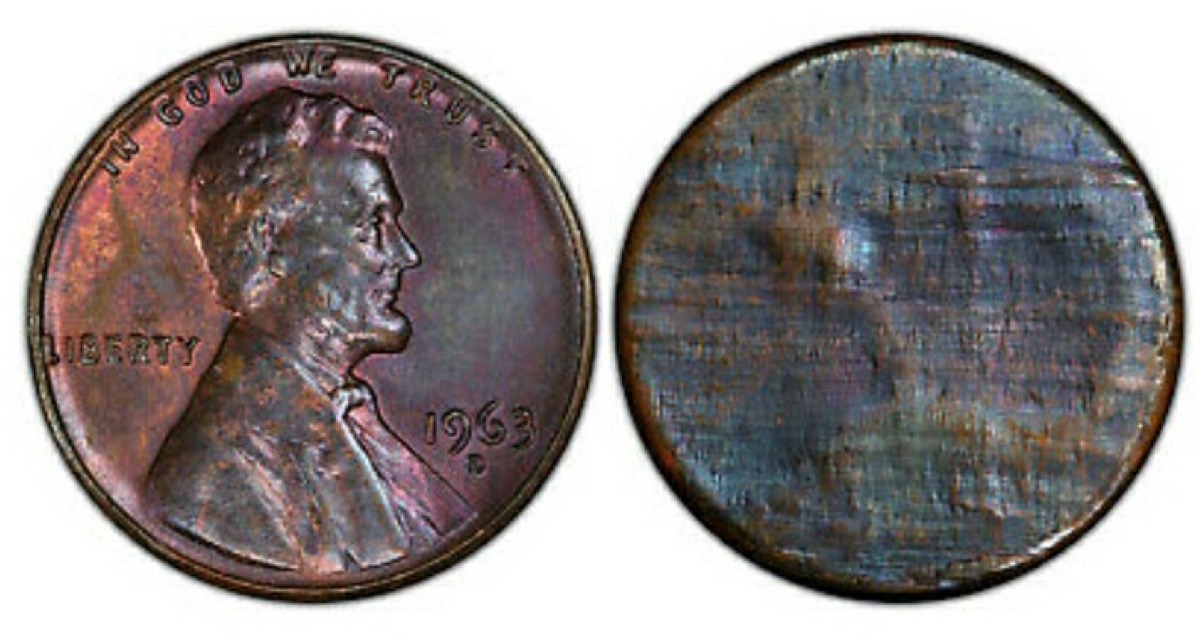
Lamination Error
A thin layer of the coin's metal peels, flakes, or cracks off because the alloy was poorly mixed.
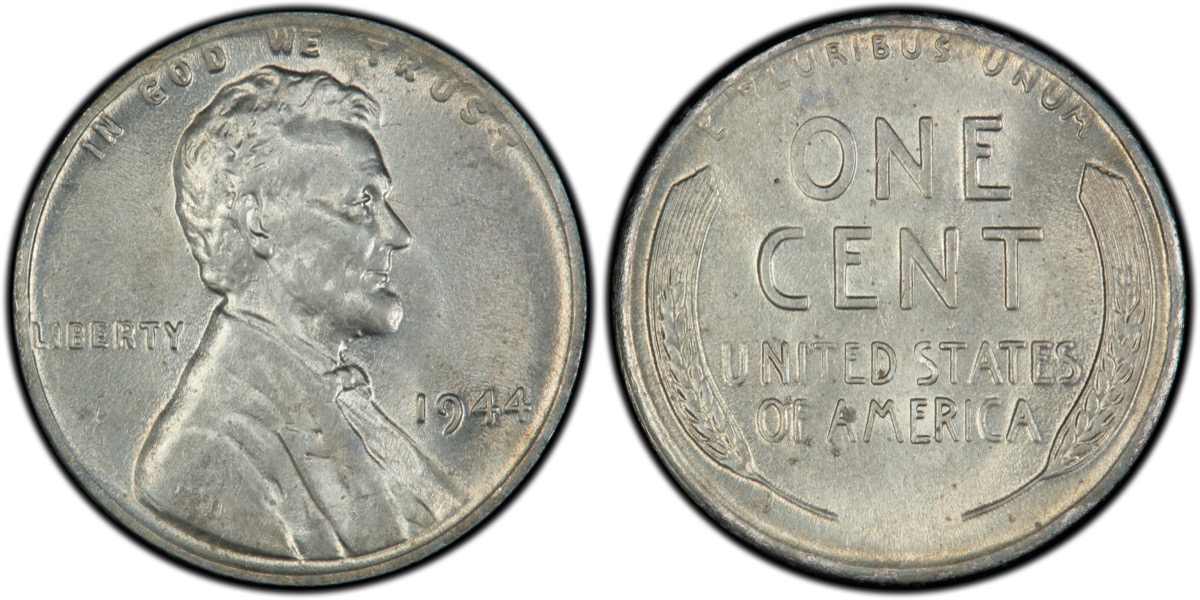
Wrong Planchet
A coin struck on a blank intended for a different denomination or country — like a quarter design on a nickel blank.
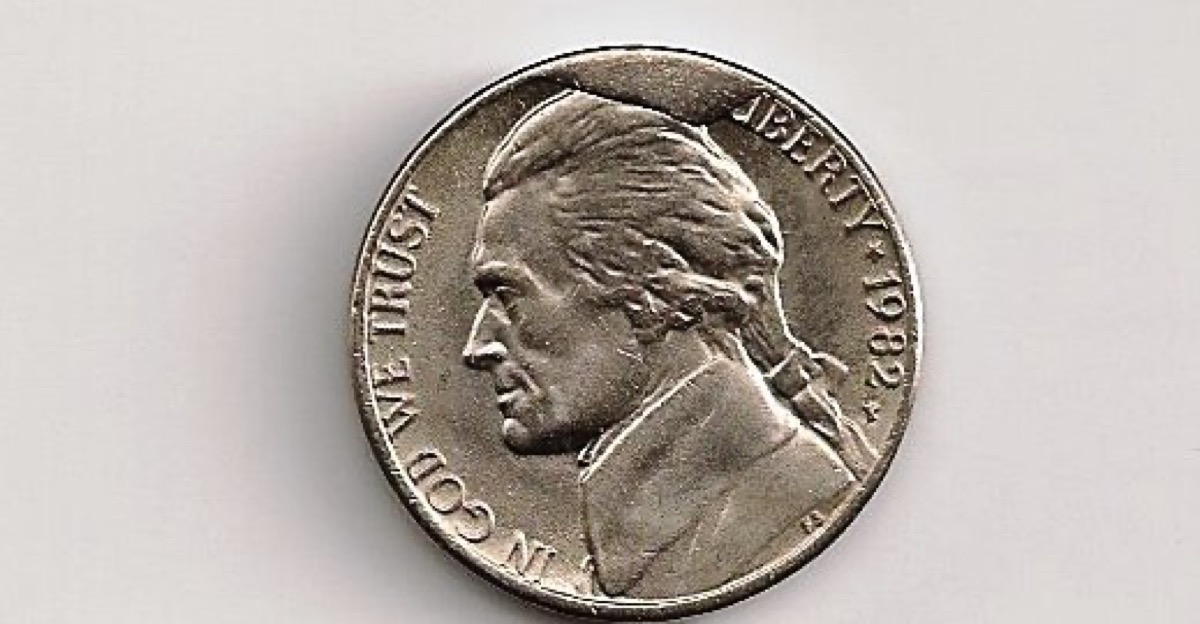
Die Cud
A piece of the die broke off at the rim, leaving a raised featureless blob attached to the coin's edge.
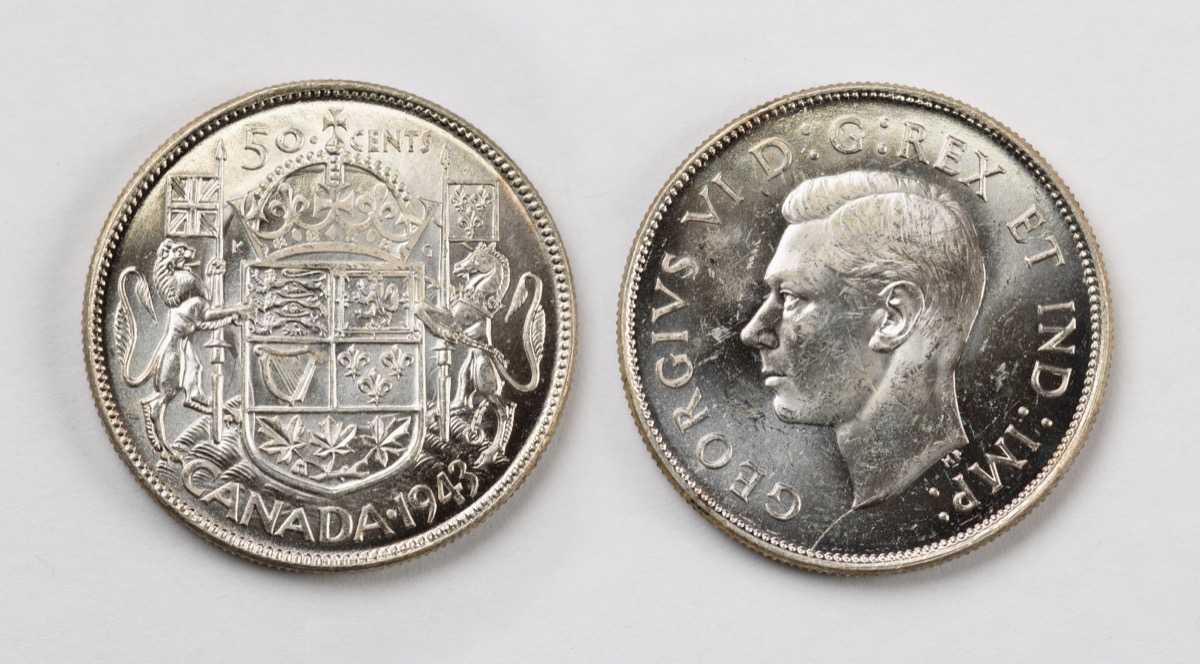
Die Crack
A crack in the die fills with metal during the strike, leaving a thin raised line on the coin.
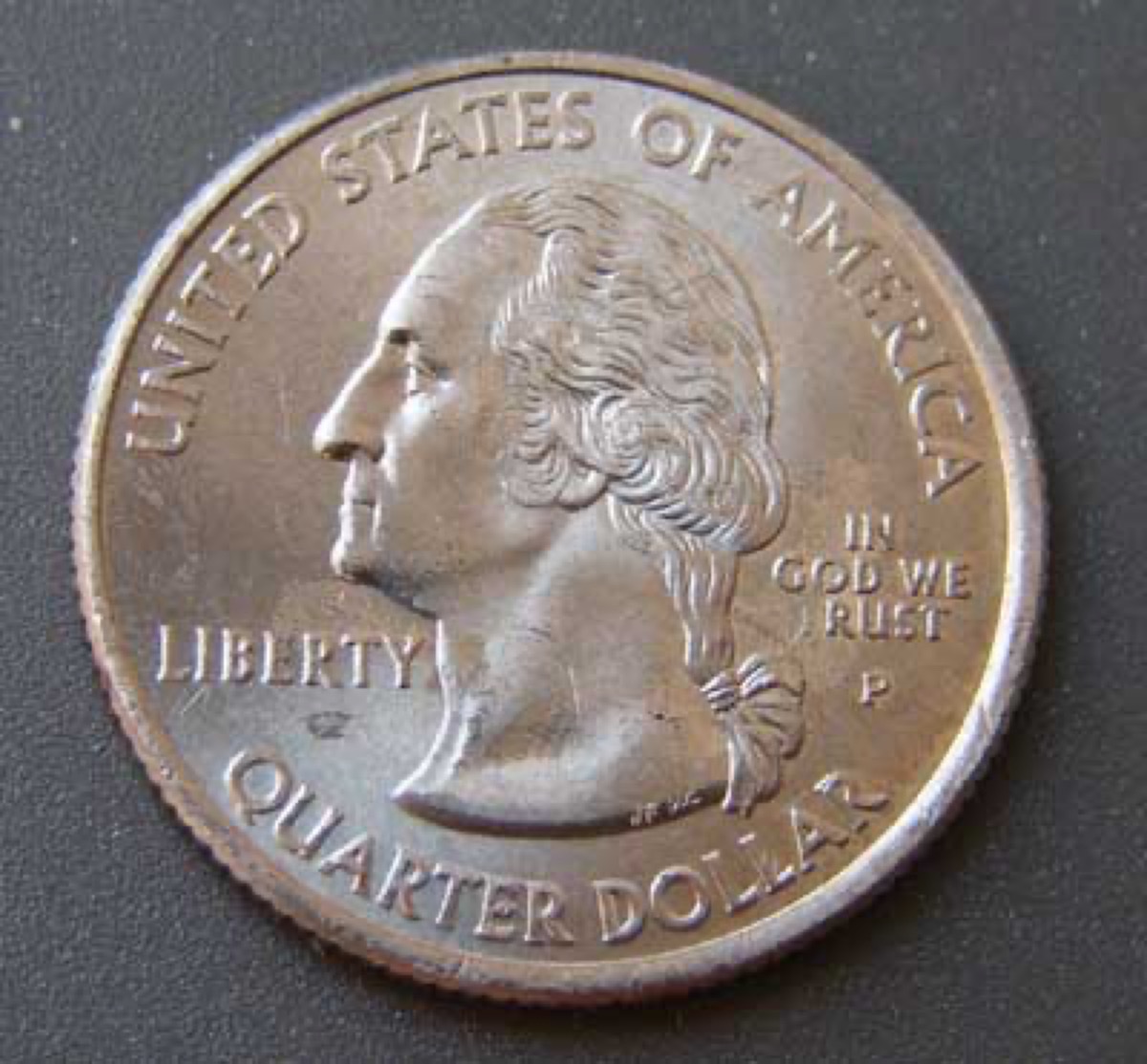
Grease-Filled Die (Struck Through Grease)
Grease and debris packed into the die's recesses blocked part of the design, leaving weak or missing details.
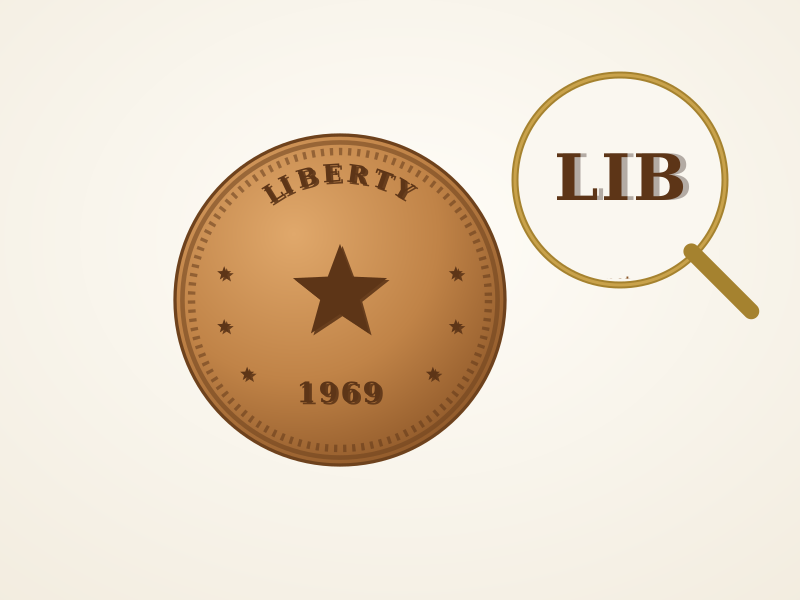
Machine Doubling
The die bounced or chattered at the moment of striking, smearing a flat shelf-like second edge onto the design.
Real photos where available (credits); others are illustrations.