Washington Quarter
George Washington's bust faces left with LIBERTY above, IN GOD WE TRUST at left, and the date below. An eagle with spread wings perches on a bundle of arrows above two olive branches, with E PLURIBUS UNUM above.
Composition
Key dates to look for
1932-D Washington Quarter
$75 – $150 worn, $1,000+ uncirculatedFirst-year key, only 436,800 made
1932-S Washington Quarter
$75 – $140 worn, $500+ uncirculatedFirst-year key, only 408,000 made
1936-D Washington Quarter
$10 – $25 worn, $500+ uncirculatedSemi-key — cheap worn but scarce in high grade
1970-D Washington Quarter
Face value worn; $1 – $5 uncirculatedVery common in circulation (over 417 million made), but 1970 quarters are famous because of the unique 1970-S proof struck over a 1941 Canadian quarter — so give any 1970 quarter a second look for dramatic errors like clipped planchets, off-center strikes, and doubling
1976-S Washington Quarter
Silver versions $3 – $8; ordinary clad 1776-1976 quarters are face valueBicentennial drummer reverse; San Francisco struck special 40% silver collector versions sold in mint sets
1982-P Washington Quarter
Face value worn; $10 – $50 in choice uncirculatedNo mint sets were sold in 1982, so few were saved new — scarce in top condition
1983-P Washington Quarter
$1 – $5 lightly worn; $50 – $200+ in choice uncirculatedThe best-known modern condition rarity — no 1983 mint sets and heavy circulation mean nice examples are genuinely hard to find
Valuable varieties & errors
1934 Doubled Die Obverse
rareA misaligned hubbing in 1934 doubled the obverse lettering, most dramatically in the motto. It is one of the strongest doubled dies of the early Washington series.
1937 Doubled Die Obverse
extremeA rotated hubbing produced bold doubling across the obverse. Far fewer exist than the 1934 doubled die, making this one of the rarest Washington quarter varieties.
1942-D Doubled Die Obverse
rareA Denver obverse die was hubbed twice slightly out of register, doubling the motto and date. It is a listed PCGS/NGC variety that still turns up in old silver accumulations.
1943-S Doubled Die Obverse
rareA San Francisco obverse die from 1943 shows bold doubling from a misaligned hubbing. It is one of the more dramatic wartime doubled dies and is widely collected.
1950-D/S Overmintmark
rareIn 1950 the Mint re-used dies between branch mints, punching a D over an existing S. It is one of a famous pair of overmintmarks from that year.
1950-S/D Overmintmark
rareThe mirror twin of the 1950-D/S: a San Francisco die was punched with an S over an existing D. Both 1950 overmintmarks are listed by PCGS and NGC.
1964-D Doubled Die Reverse
scarceIn the final and busiest year of silver quarters, a Denver reverse die was hubbed with noticeable doubling. It is an affordable doubled die a beginner can realistically find in a bag of silver quarters.
1965 Struck on Silver Planchet
extremeWhen the Mint switched from silver to clad in 1965, a few leftover 90% silver blanks were accidentally fed into the presses and struck with 1965 dies. These transitional errors are among the most valuable modern quarters.
1970-S Proof Struck Over 1941 Canadian Quarter
extremeA 1941 Canadian quarter somehow ended up in the San Francisco proof presses and was struck with 1970 proof quarter dies, leaving ghostly traces of the Canadian design underneath. It is unique — only one exists — and it made national news when offered for sale at $35,000.
1970-S Proof Doubled Die Obverse
scarceSome 1970-S proof quarters were struck from an obverse die with visible hub doubling. Since proofs come from mint sets, examples survive in high grade.
1976 Doubled Die Obverse (Bicentennial)
scarceSome Philadelphia Bicentennial quarters were struck from an obverse die with hub doubling in the lettering. It gives the famous drummer-reverse quarter a collectible twist.
Error types found on this series
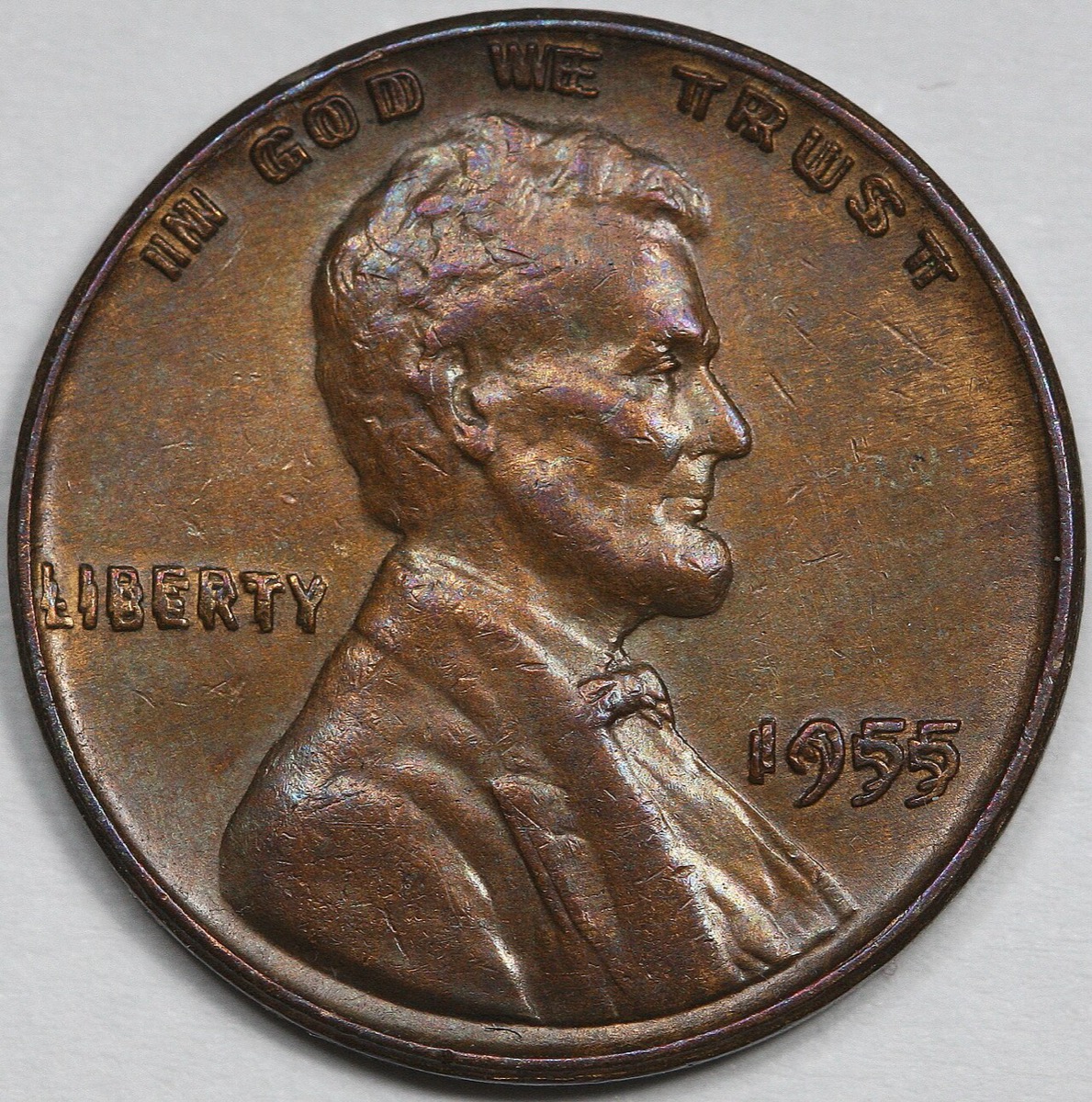
Doubled Die (Obverse)
The front design shows a second, shifted image because the die itself was made doubled.
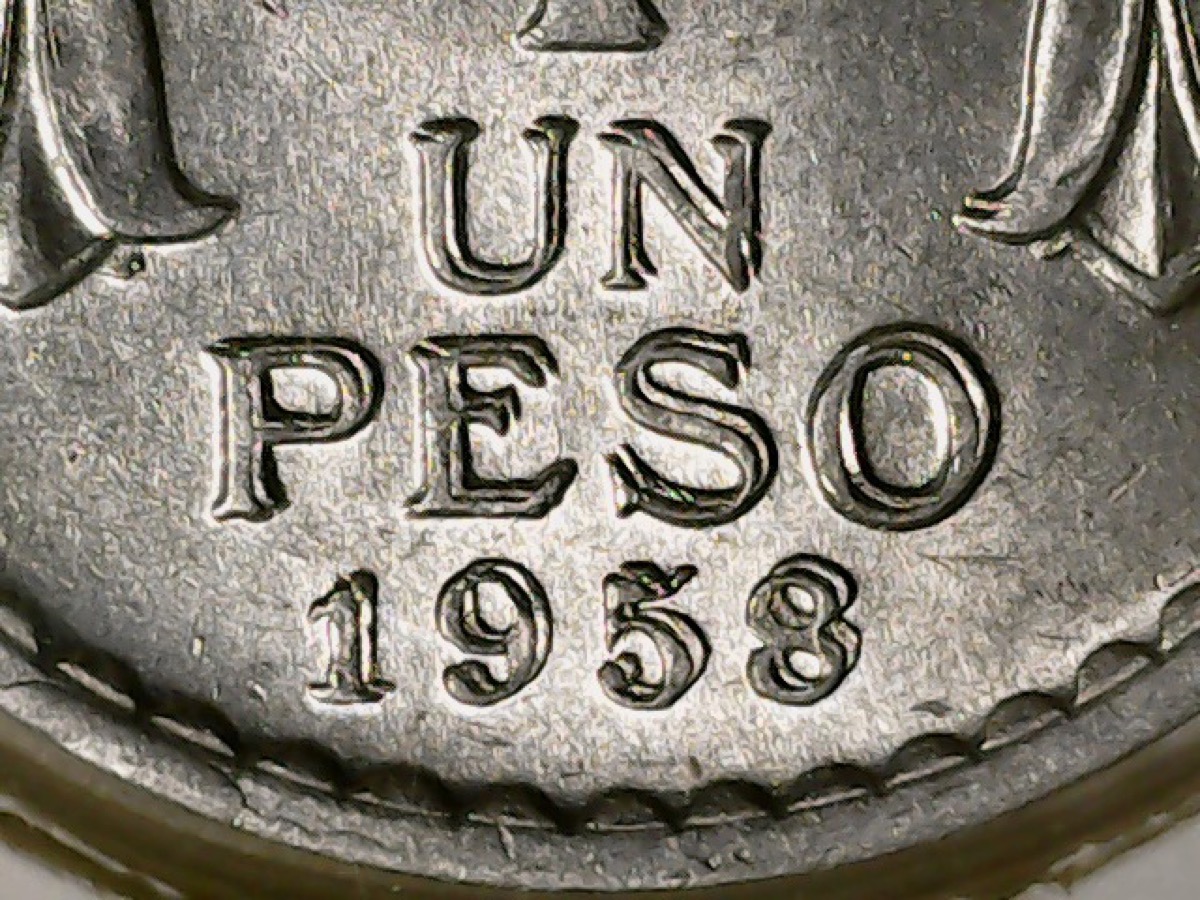
Doubled Die (Reverse)
Same as a doubled die obverse, but the doubling appears on the back of the coin.
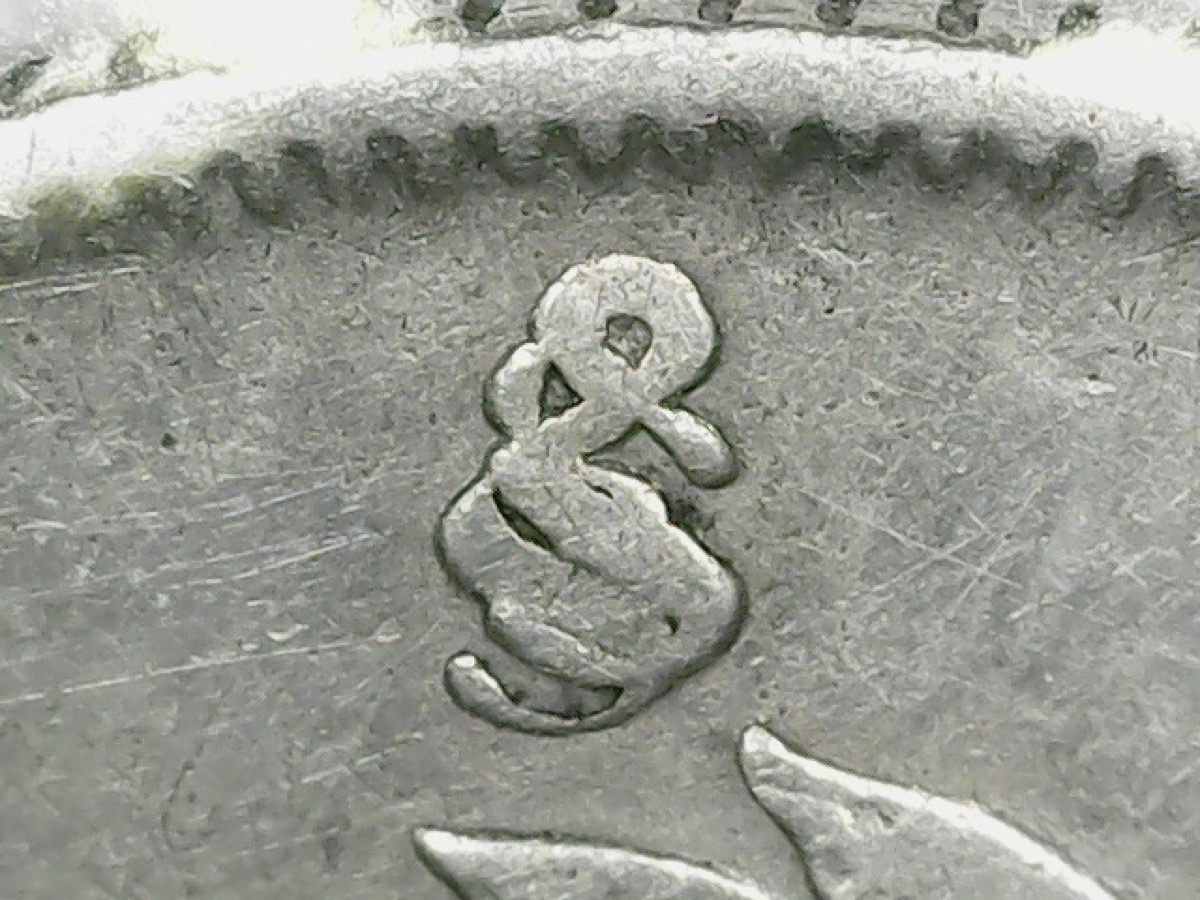
Repunched Mint Mark (RPM)
The mint mark was punched into the die more than once, slightly off position, leaving a doubled letter.
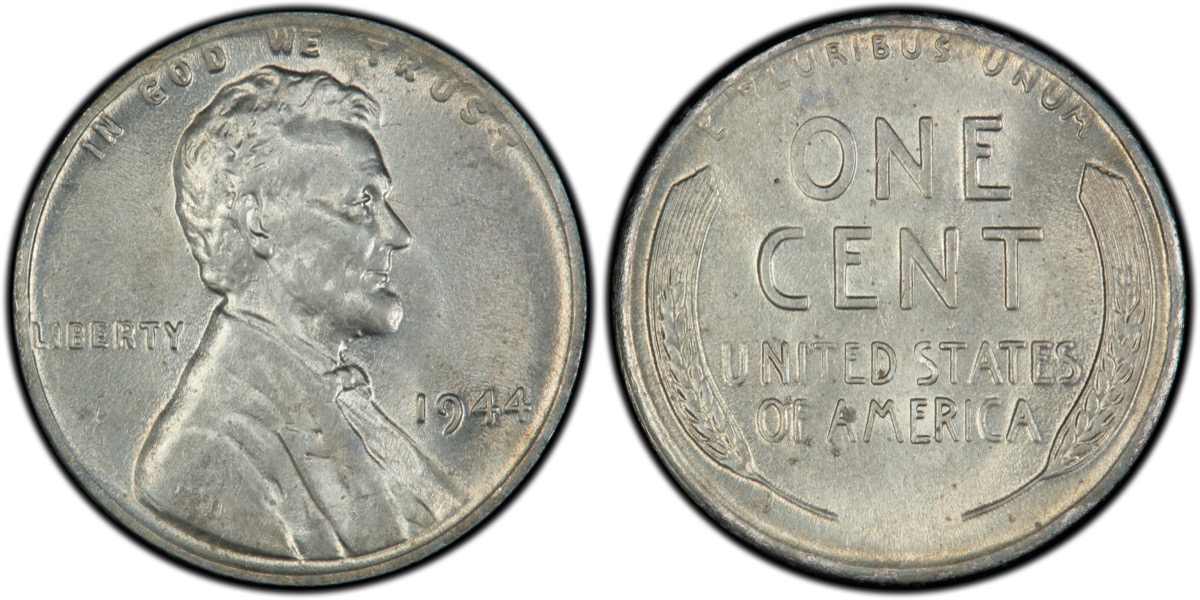
Wrong Planchet
A coin struck on a blank intended for a different denomination or country — like a quarter design on a nickel blank.
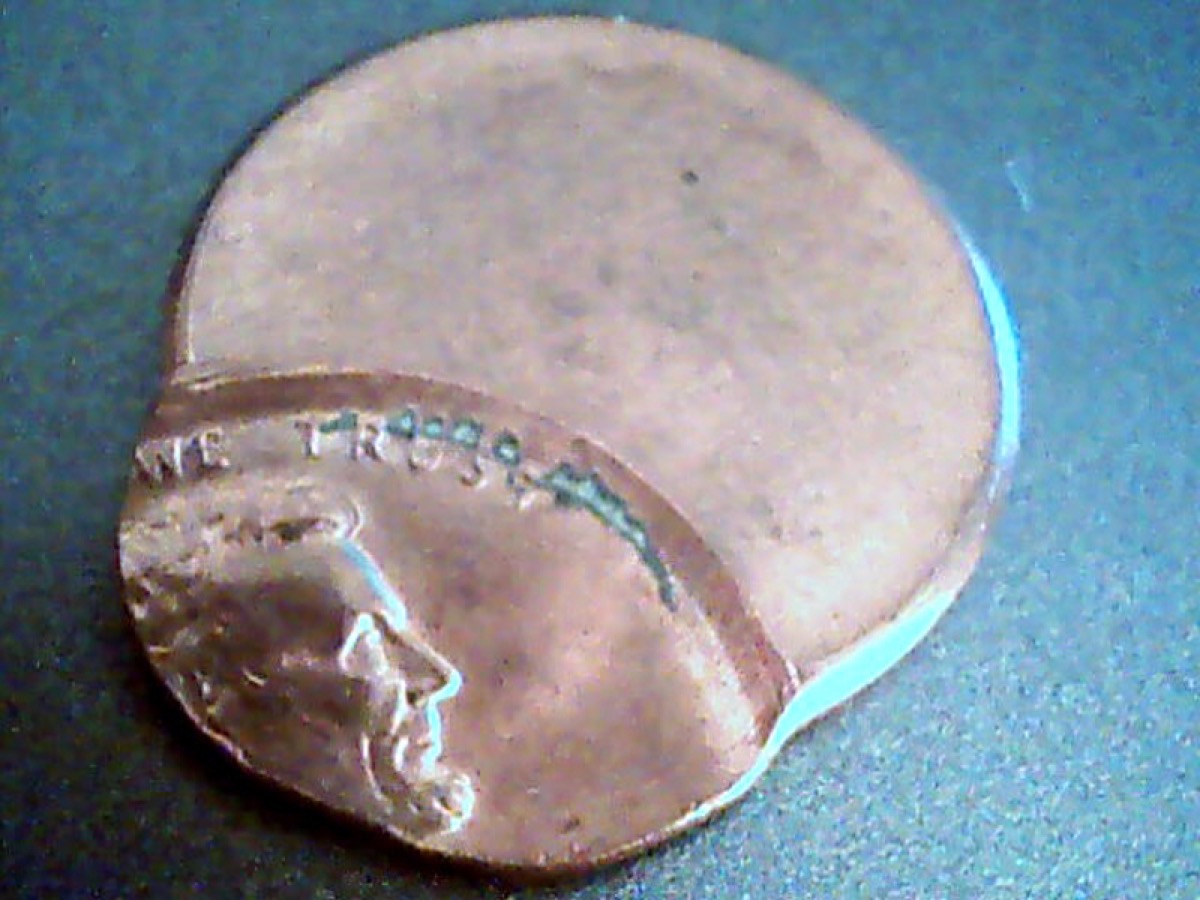
Off-Center Strike
The blank wasn't centered when struck, so part of the design is missing and part of the coin is blank.
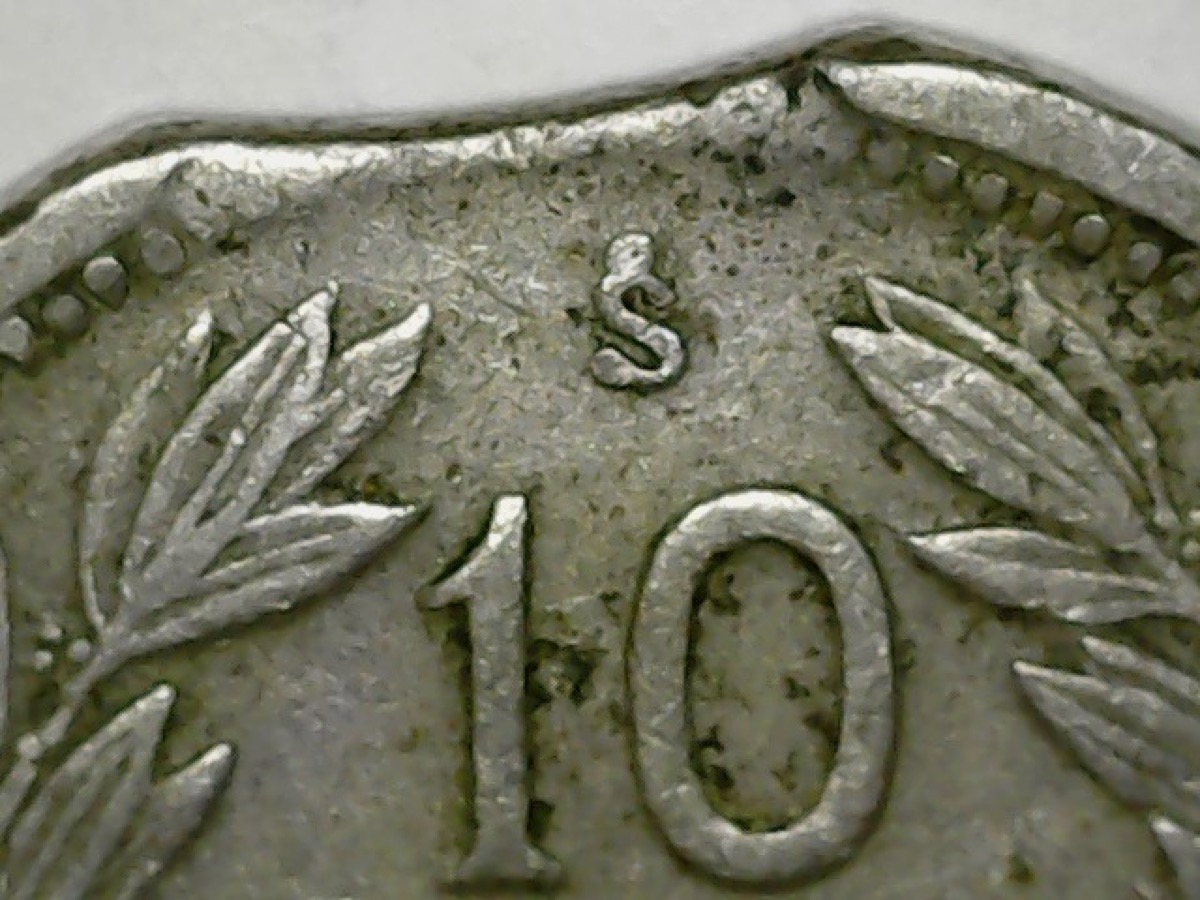
Clipped Planchet
A bite-shaped piece of the coin is missing because the blank was punched from an already-punched part of the metal strip.
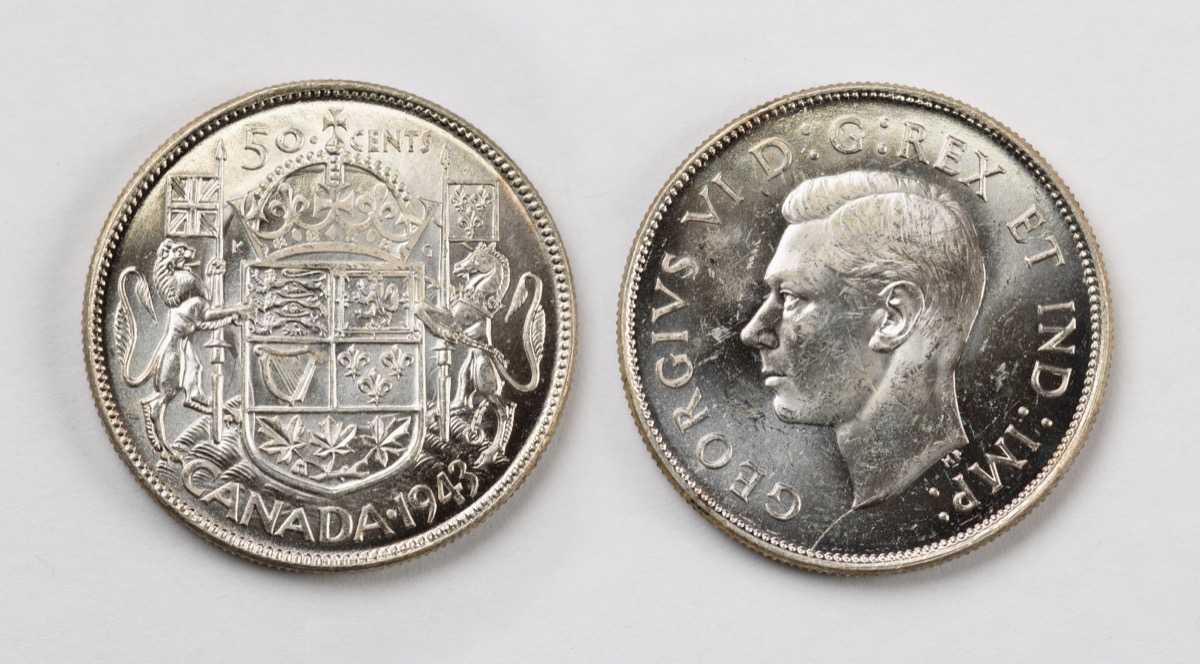
Die Crack
A crack in the die fills with metal during the strike, leaving a thin raised line on the coin.
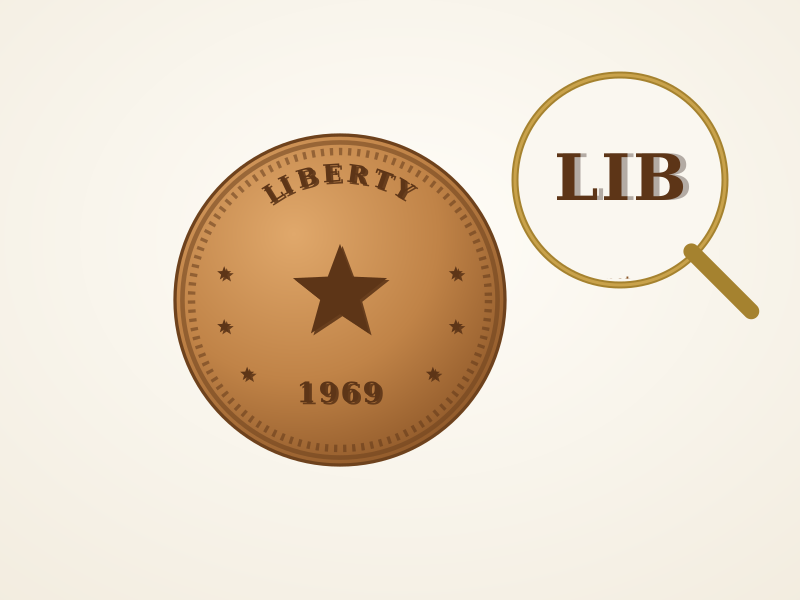
Machine Doubling
The die bounced or chattered at the moment of striking, smearing a flat shelf-like second edge onto the design.
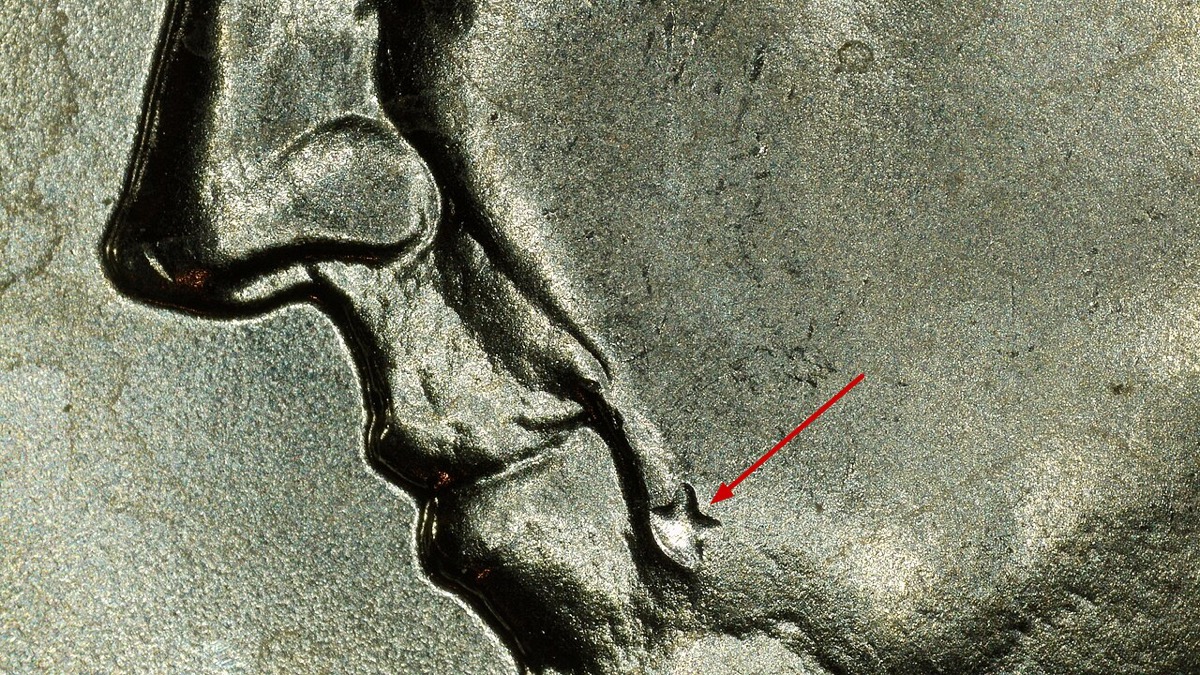
Strike-Through
A foreign object — cloth, wire, grease, or a metal fragment — was on the blank when it was struck, leaving its impression in the coin.
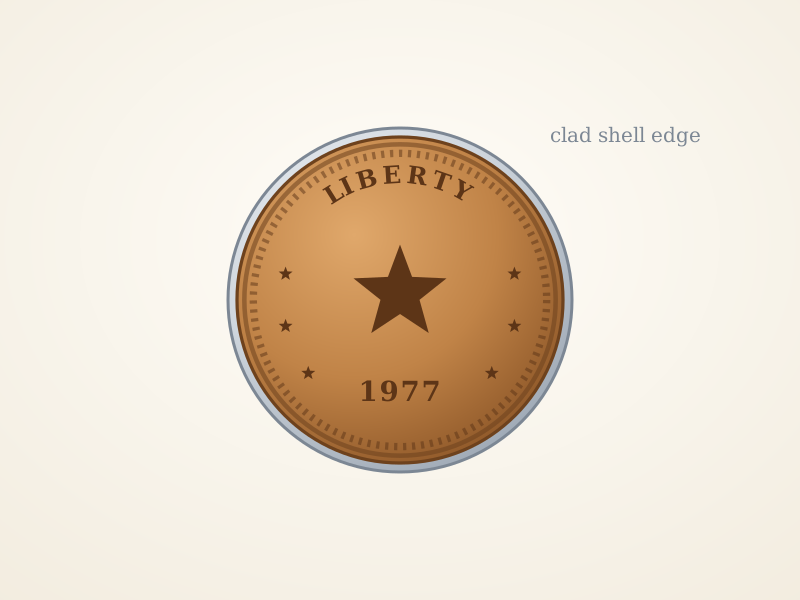
Missing Clad Layer
A dime, quarter, or half is missing its outer silver-colored layer on one side, exposing the copper core.
Real photos where available (credits); others are illustrations.