Roosevelt Dime
Franklin D. Roosevelt faces left with LIBERTY along the rim, IN GOD WE TRUST at lower left, and the date at lower right. A lit torch stands between an olive branch and an oak branch, with ONE DIME below.
Composition
Key dates to look for
1949-S Roosevelt Dime
$5+ circulated, $40+ uncirculatedLowest-mintage circulating silver Roosevelt at 13.5 million — the series semi-key
1950-S Roosevelt Dime
$4+ circulatedAnother low-mintage San Francisco date worth pulling from silver lots
1955 Roosevelt Dime
$3+ circulatedJust 12.8 million struck in Philadelphia, the lowest business-strike total of the series
1996-W Roosevelt Dime
$15 – $30 uncirculatedFirst and only W-mint dime, made for the design's 50th anniversary and sold only in 1996 mint sets — never released to circulation
Valuable varieties & errors
1964-D Doubled Die Reverse
scarceA misaligned second hubbing at Denver doubled the reverse lettering in the final year of silver dimes. It is one of the most collected Roosevelt dime doubled dies.
1968 No S Proof
extremeA San Francisco proof die was put into service before the S mint mark was punched into it, so a small number of 1968 proof dimes have no mint mark at all. Only a few dozen are known, all from proof sets.
1970 No S Proof
rareThe same slip happened again in 1970: a proof die missing its S mint mark struck an estimated couple thousand dimes that ended up in proof sets. It is the most affordable of the No S proof dimes.
1975 No S Proof
extremeOnly two 1975 proof dimes without the S mint mark are known to exist, making this one of the rarest US coins of the last century. One sold for over $500,000 at auction.
1982 No P (No Mint Mark)
rareIn 1982 a Philadelphia die was never punched with its P mint mark, and thousands of the coins reached circulation — many turning up in the Sandusky, Ohio area. It is the only circulating No Mint Mark variety of the modern era.
Error types found on this series
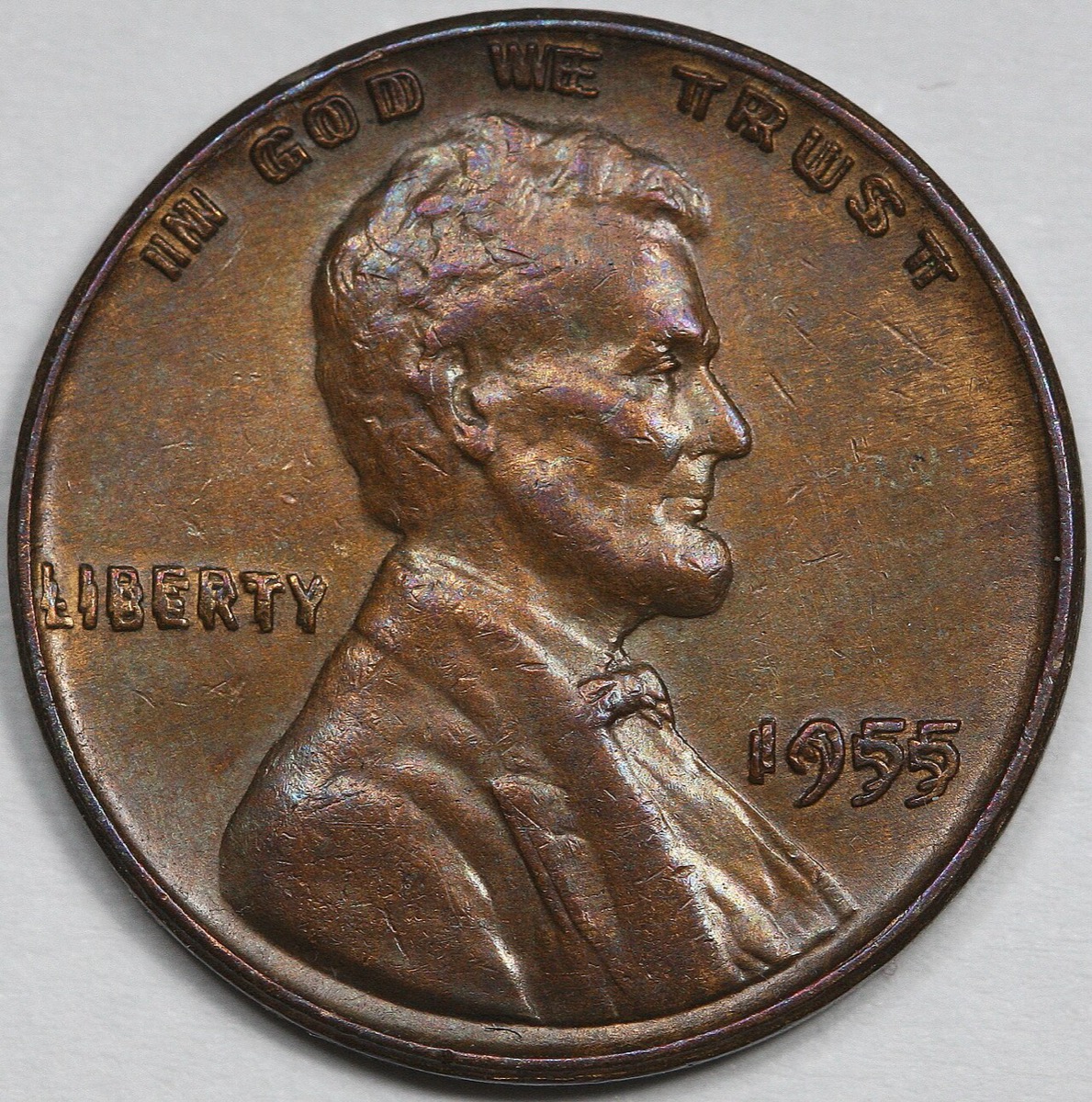
Doubled Die (Obverse)
The front design shows a second, shifted image because the die itself was made doubled.
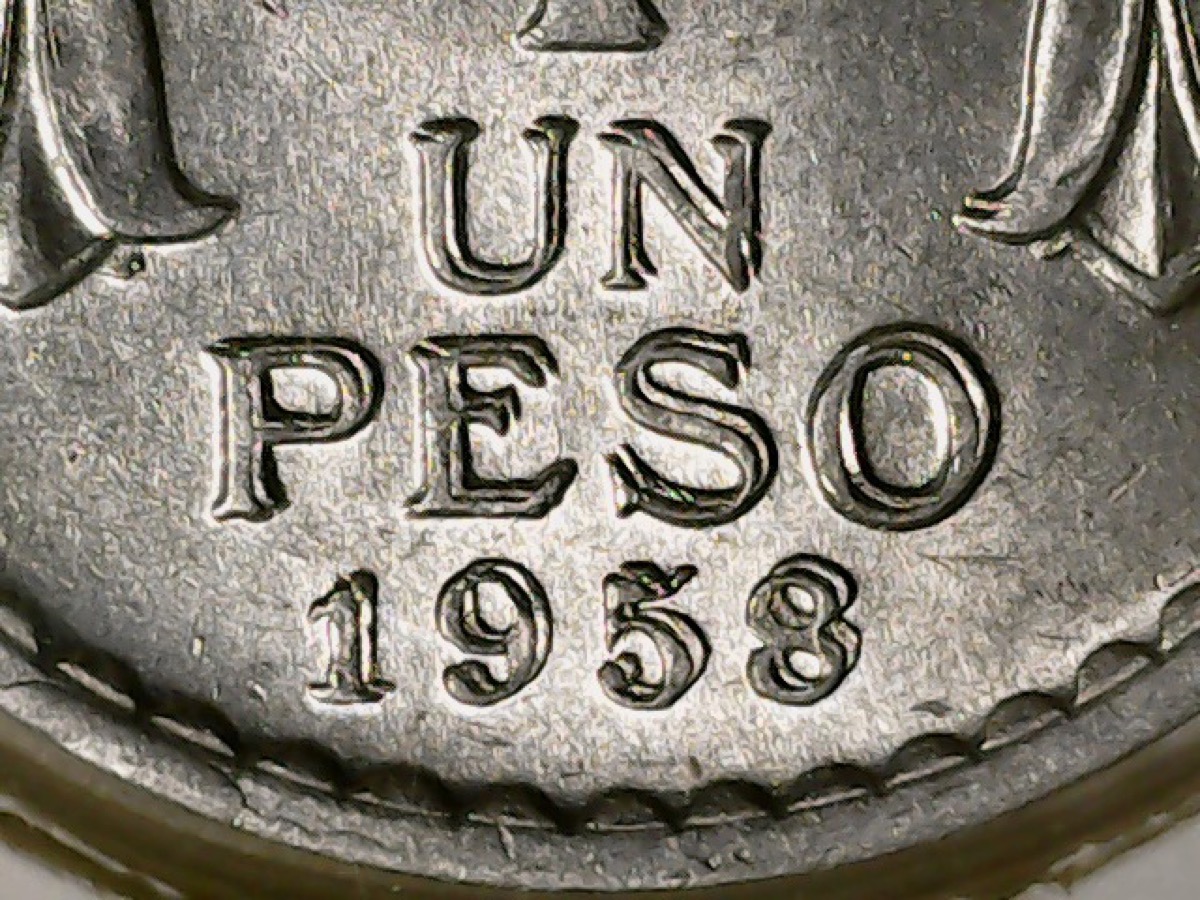
Doubled Die (Reverse)
Same as a doubled die obverse, but the doubling appears on the back of the coin.
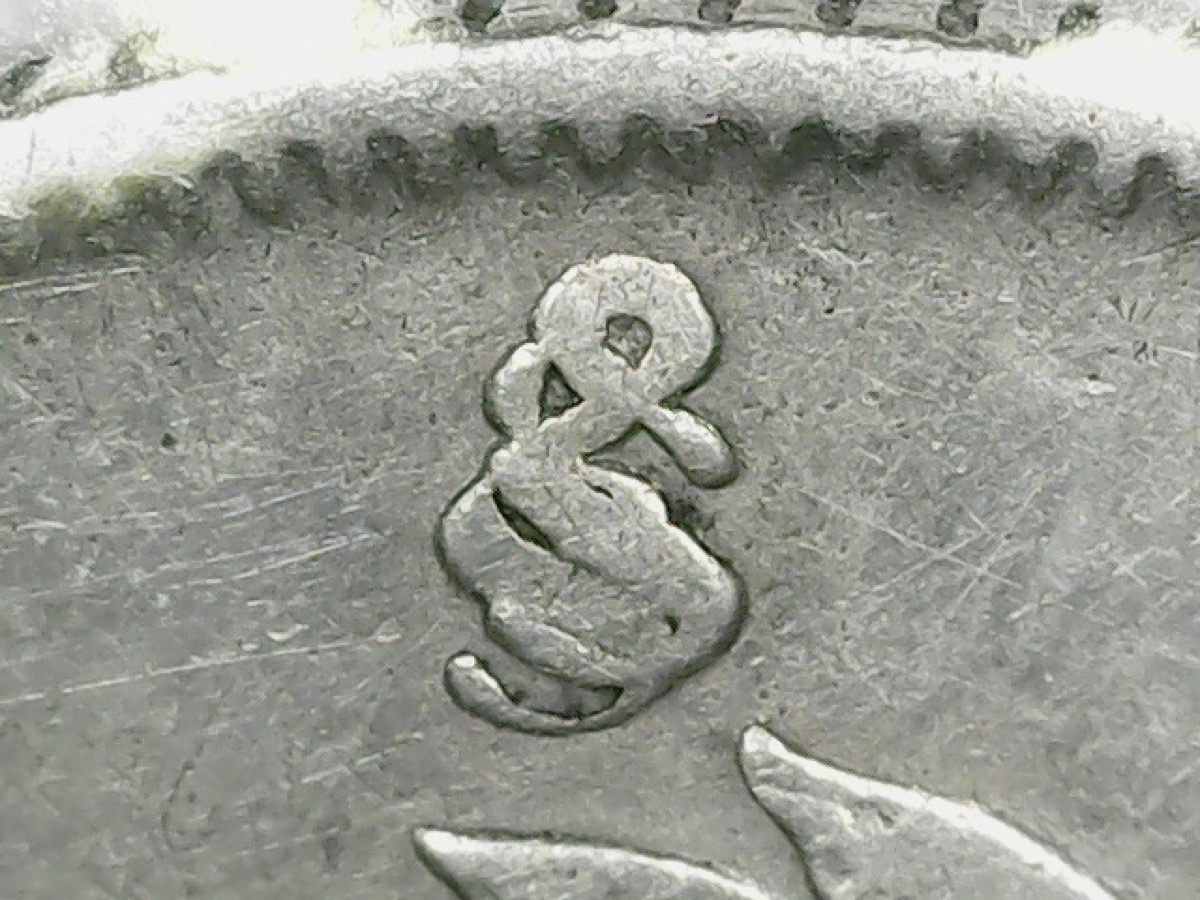
Repunched Mint Mark (RPM)
The mint mark was punched into the die more than once, slightly off position, leaving a doubled letter.
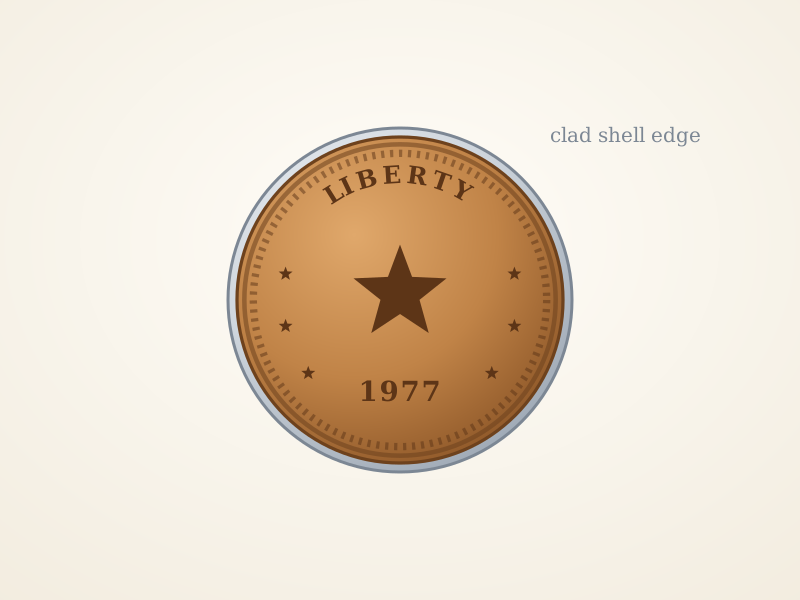
Missing Clad Layer
A dime, quarter, or half is missing its outer silver-colored layer on one side, exposing the copper core.
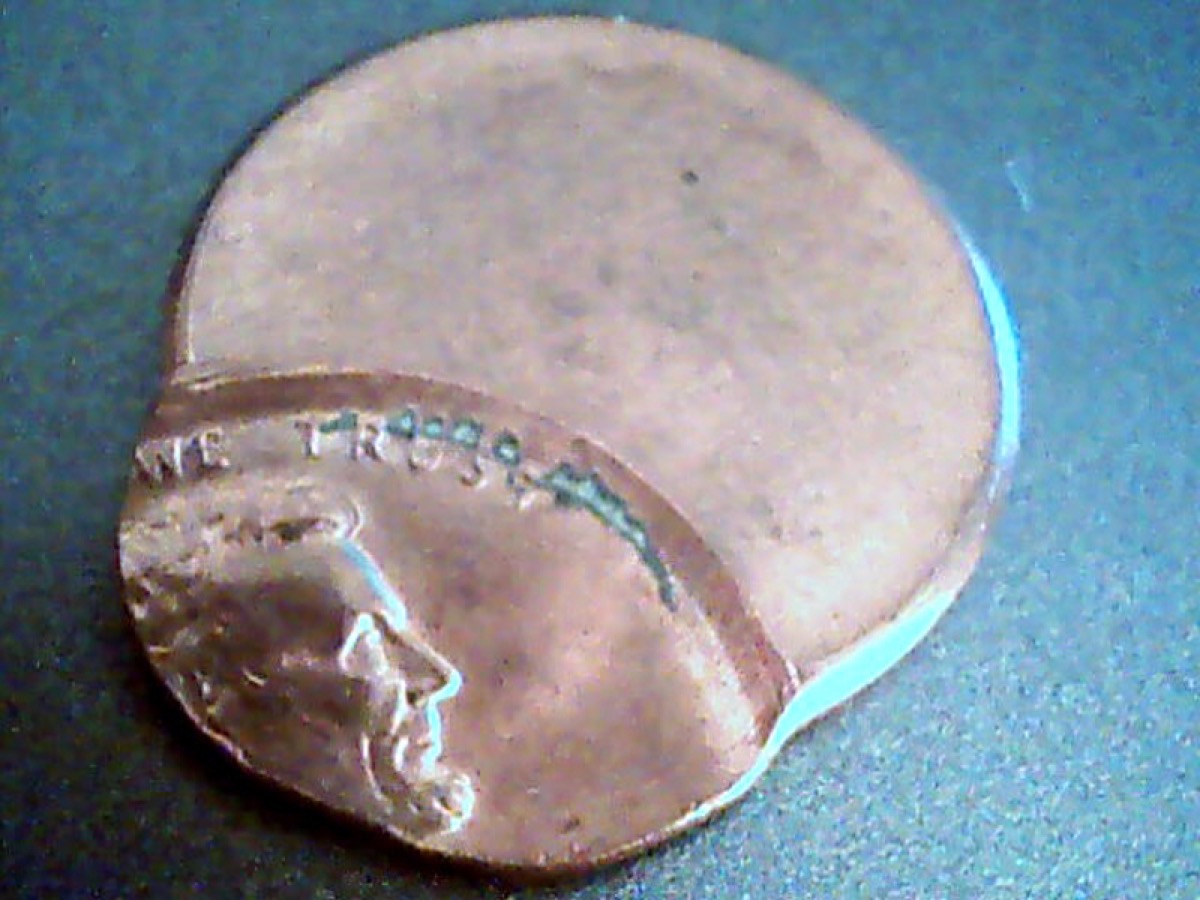
Off-Center Strike
The blank wasn't centered when struck, so part of the design is missing and part of the coin is blank.
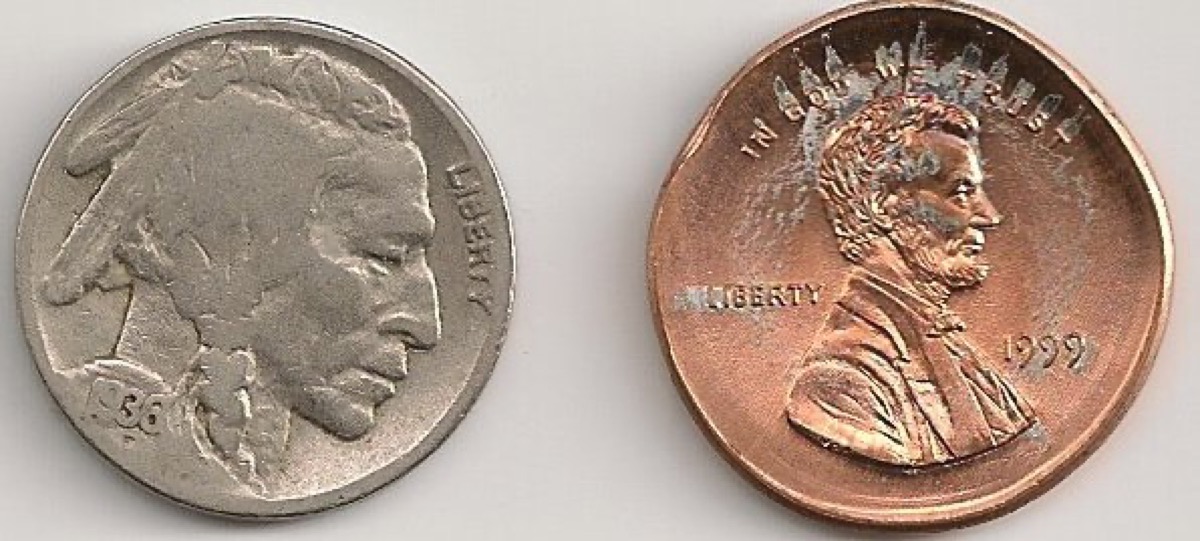
Broadstrike
The coin was struck without its retaining collar, so it spread out wider and thinner than normal.
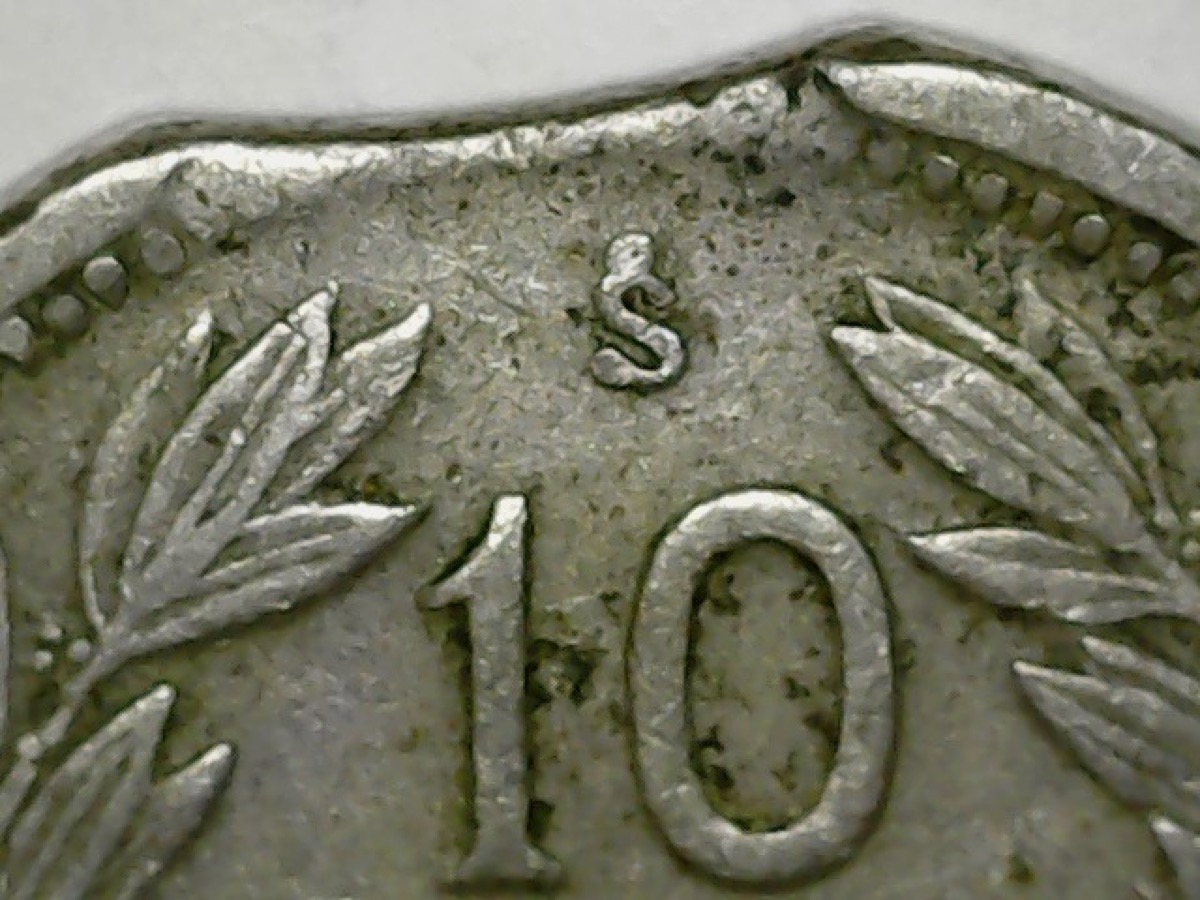
Clipped Planchet
A bite-shaped piece of the coin is missing because the blank was punched from an already-punched part of the metal strip.
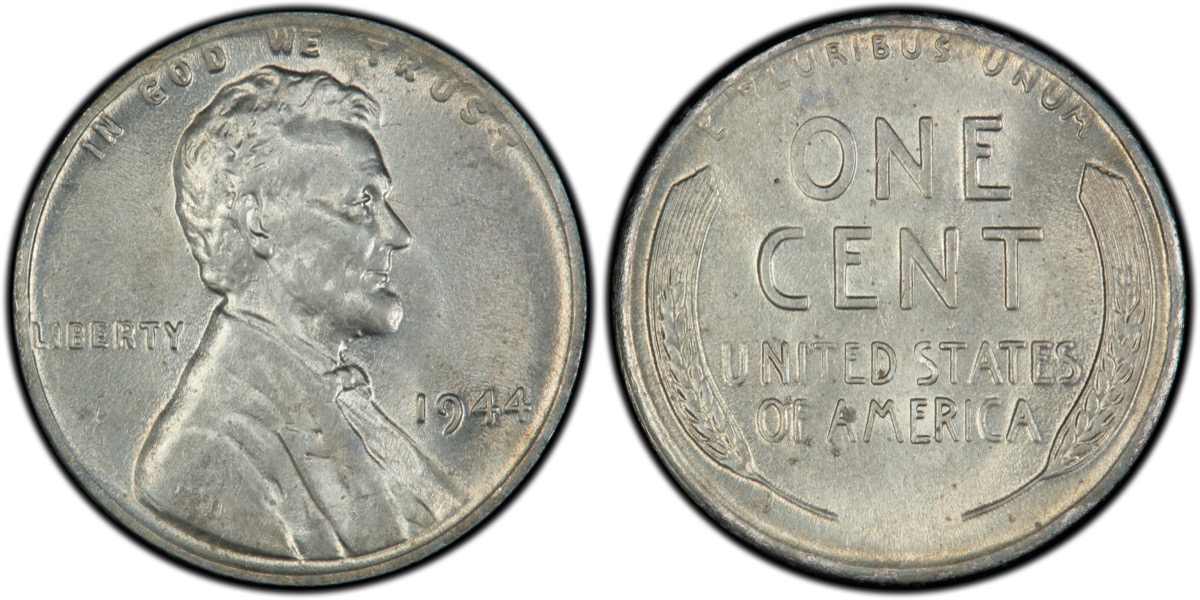
Wrong Planchet
A coin struck on a blank intended for a different denomination or country — like a quarter design on a nickel blank.
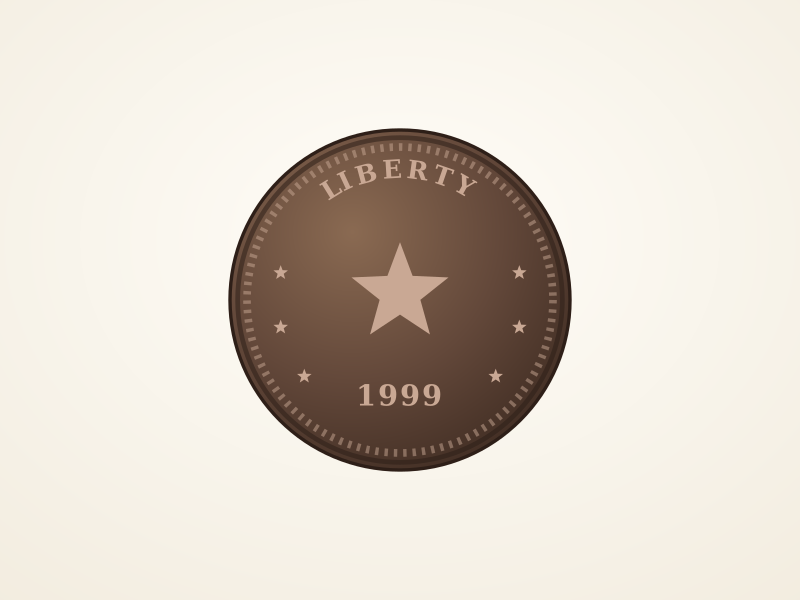
Grease-Filled Die (Struck Through Grease)
Grease and debris packed into the die's recesses blocked part of the design, leaving weak or missing details.
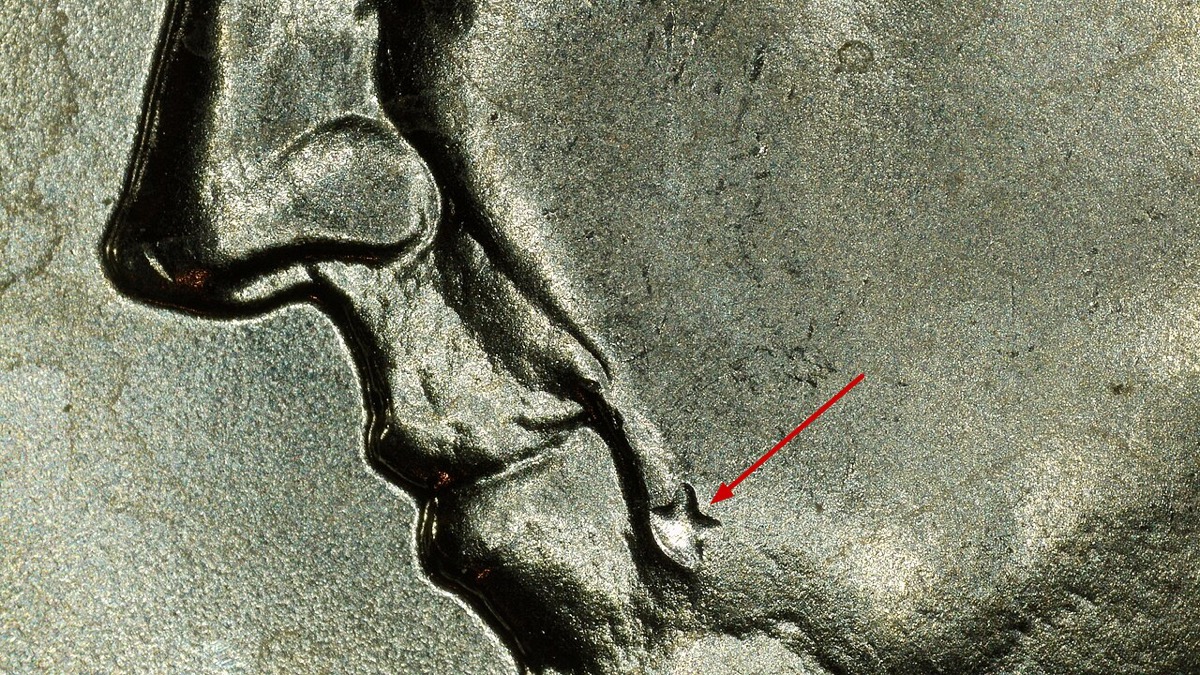
Strike-Through
A foreign object — cloth, wire, grease, or a metal fragment — was on the blank when it was struck, leaving its impression in the coin.
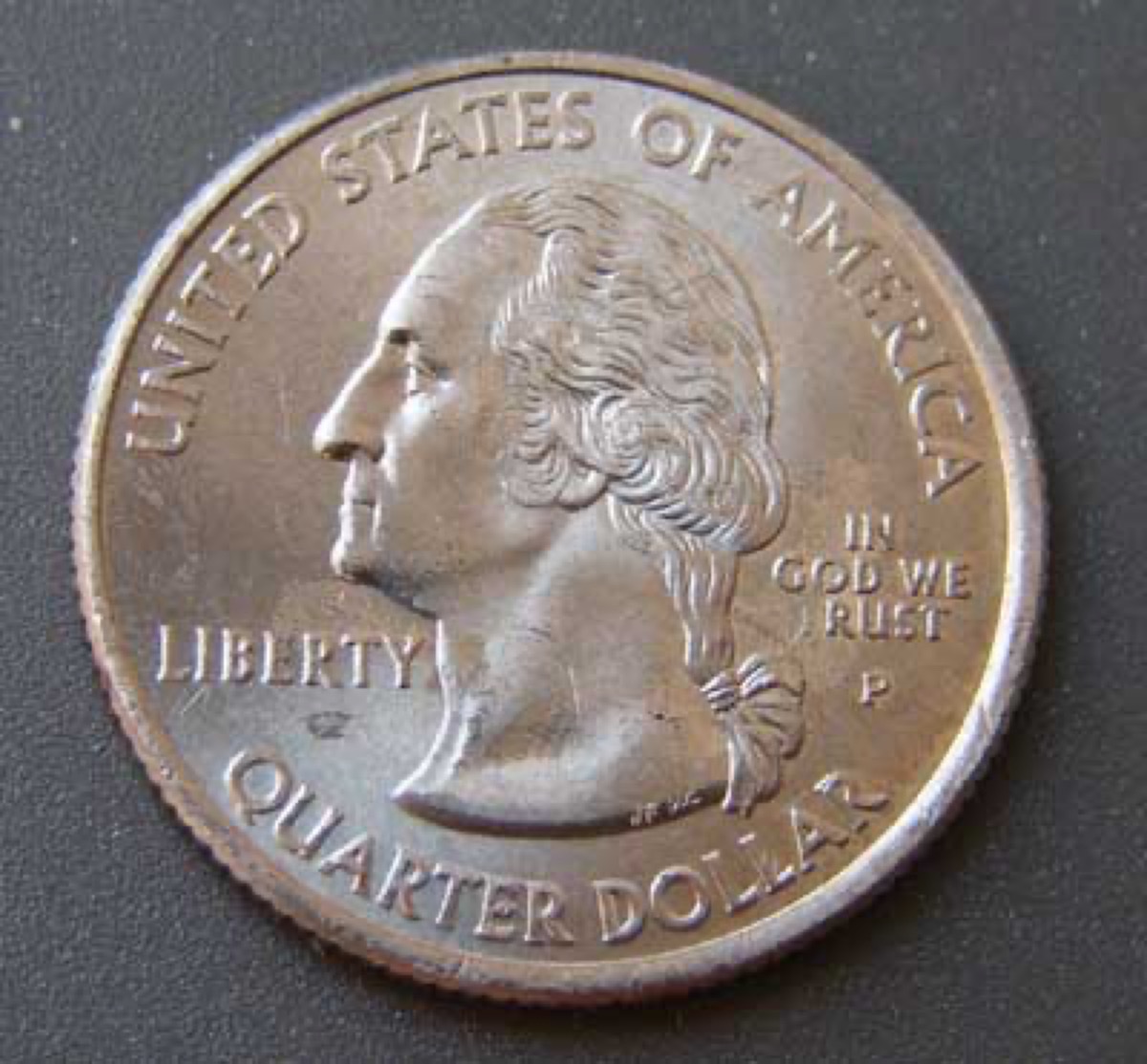
Improperly Annealed Planchet
A heat-treatment mistake turned the blank's surface an unusual color — most famously the coppery-red 'sintered' state quarters and dollars.
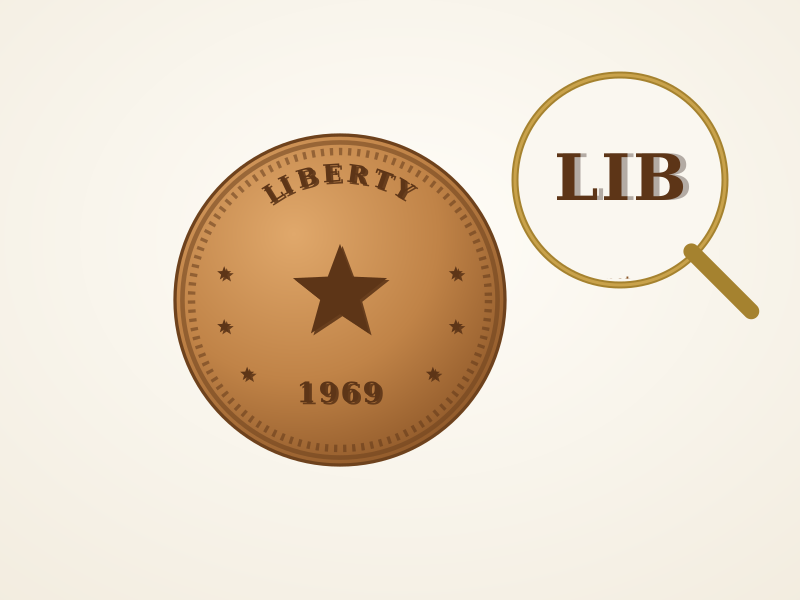
Machine Doubling
The die bounced or chattered at the moment of striking, smearing a flat shelf-like second edge onto the design.
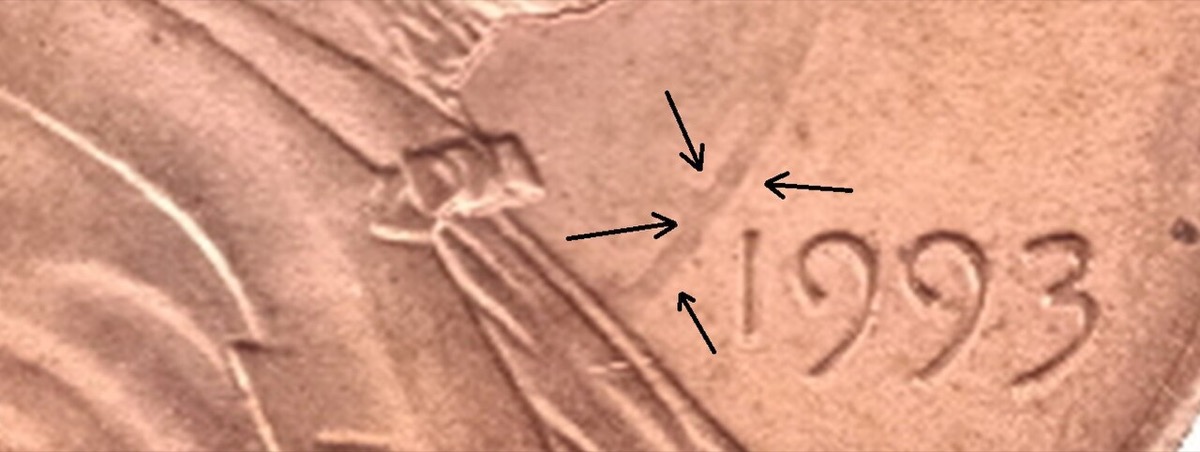
Die Clash
The dies slammed together with no coin between them, imprinting each side's design faintly onto the other.
Real photos where available (credits); others are illustrations.